The Role of Solar Pumps in Climate Resilience and Global Food Security
Introduction
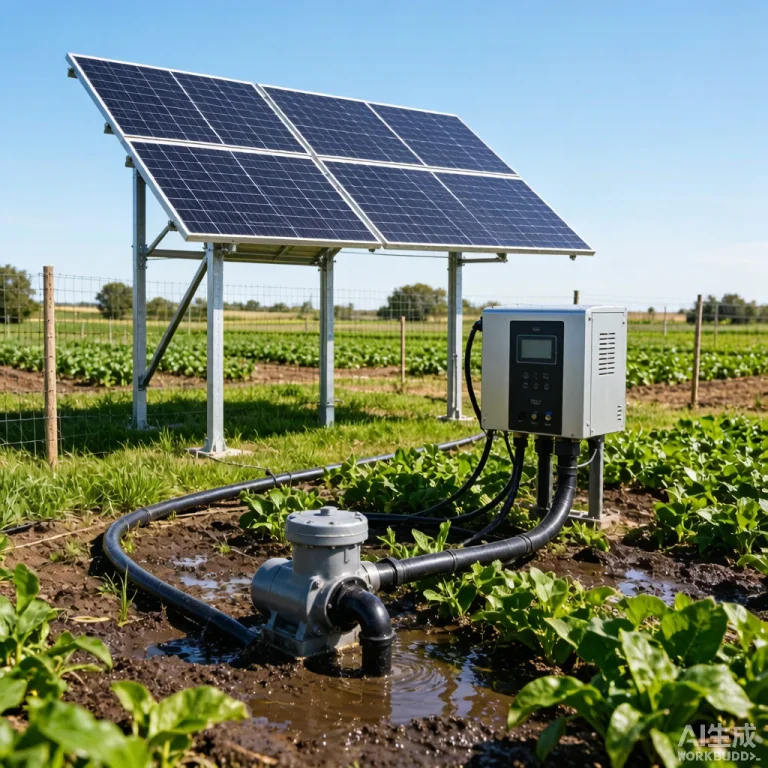
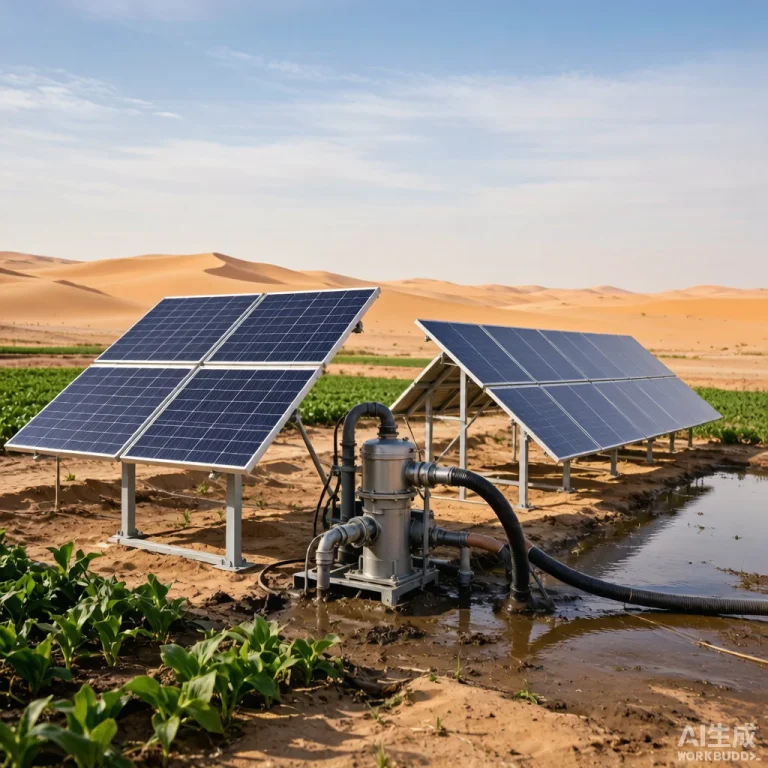
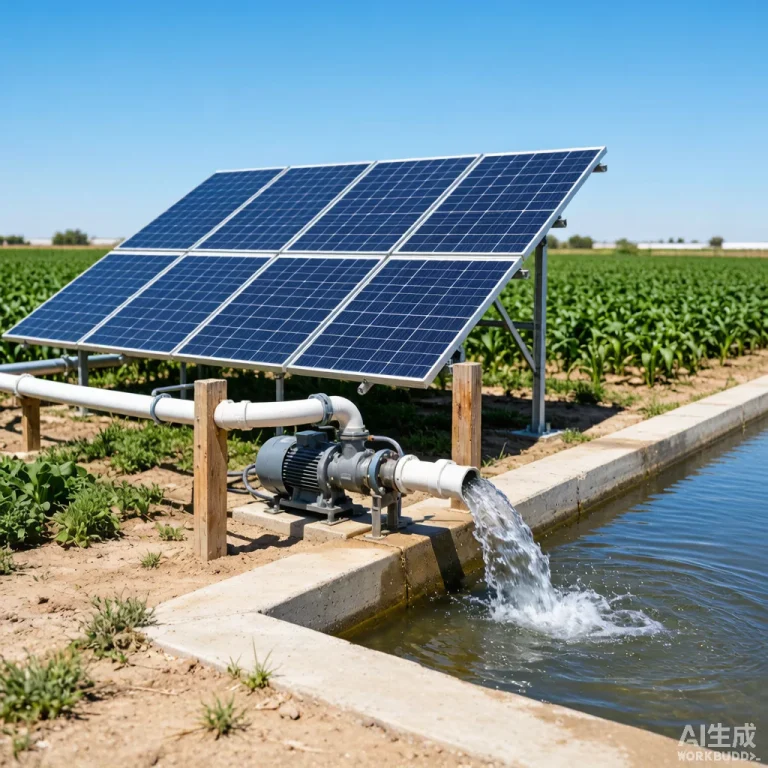
KINBO solar pumps are deployed in climate-vulnerable regions worldwide, providing reliable irrigation that helps farming communities adapt to increasingly erratic rainfall patterns.
Table of Contents
The Climate-Water-Food Nexus
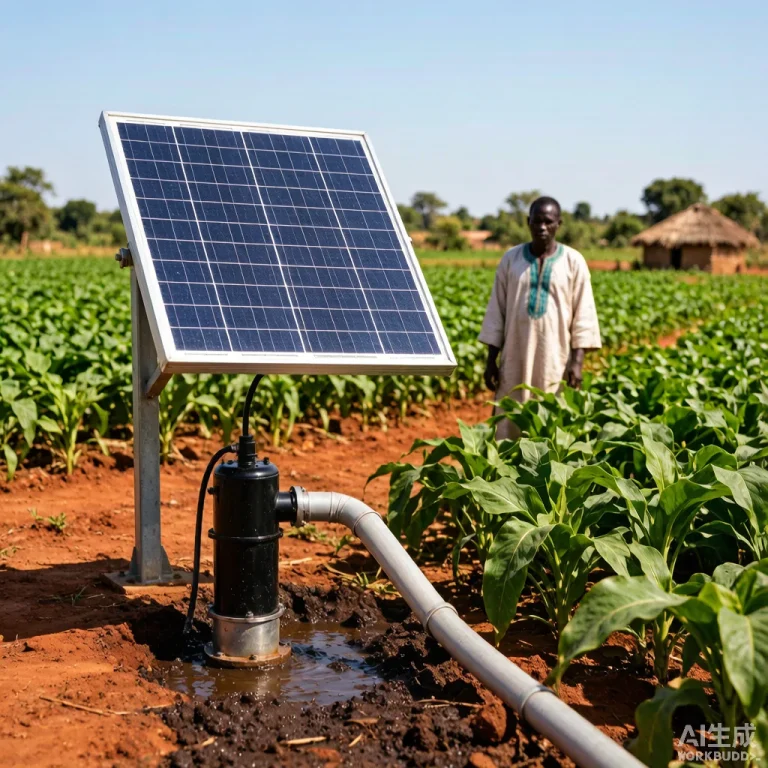
Climate change is disrupting rainfall patterns across major agricultural regions. The IPCC projects rain-fed agriculture in sub-Saharan Africa could decline 50% by 2050 without adaptation. Solar irrigation decouples water supply from rainfall timing—farmers with groundwater access irrigate on schedule regardless of whether rains arrive late, early, or not at all.
Farmers with irrigation achieve 2-3x higher yields than rain-fed counterparts and can cultivate during dry seasons when prices are 30-50% higher. A 3 kW solar pump serving 5 hectares of vegetables can increase annual farm income by $3,000-8,000 in developing country contexts.
Smallholder Empowerment
Solar pumps democratize irrigation by eliminating fuel supply chains, grid connections, and complex operation. Pay-as-you-go financing enables farmers with one hectare to access solar pumping through affordable monthly payments lower than their previous diesel or manual irrigation costs. The technology is transformative precisely because it removes barriers rather than adding them.
| Climate Impact | Without Irrigation | With Solar Irrigation | Improvement |
|---|---|---|---|
| Drought frequency (3 in 10 yr) | Crop failure 3 of 10 seasons | 0 crop failures | 100% reduction |
| Dry season production | Not possible | 1-2 extra harvests/yr | +50-200% output |
| Crop diversification | Staple grains only | High-value vegetables | +40-80% income/ha |
Based on solar irrigation projects in Kenya, India, Ethiopia (2022-2025).
Frequently Asked Questions
Q: Can solar irrigation mitigate drought effects?
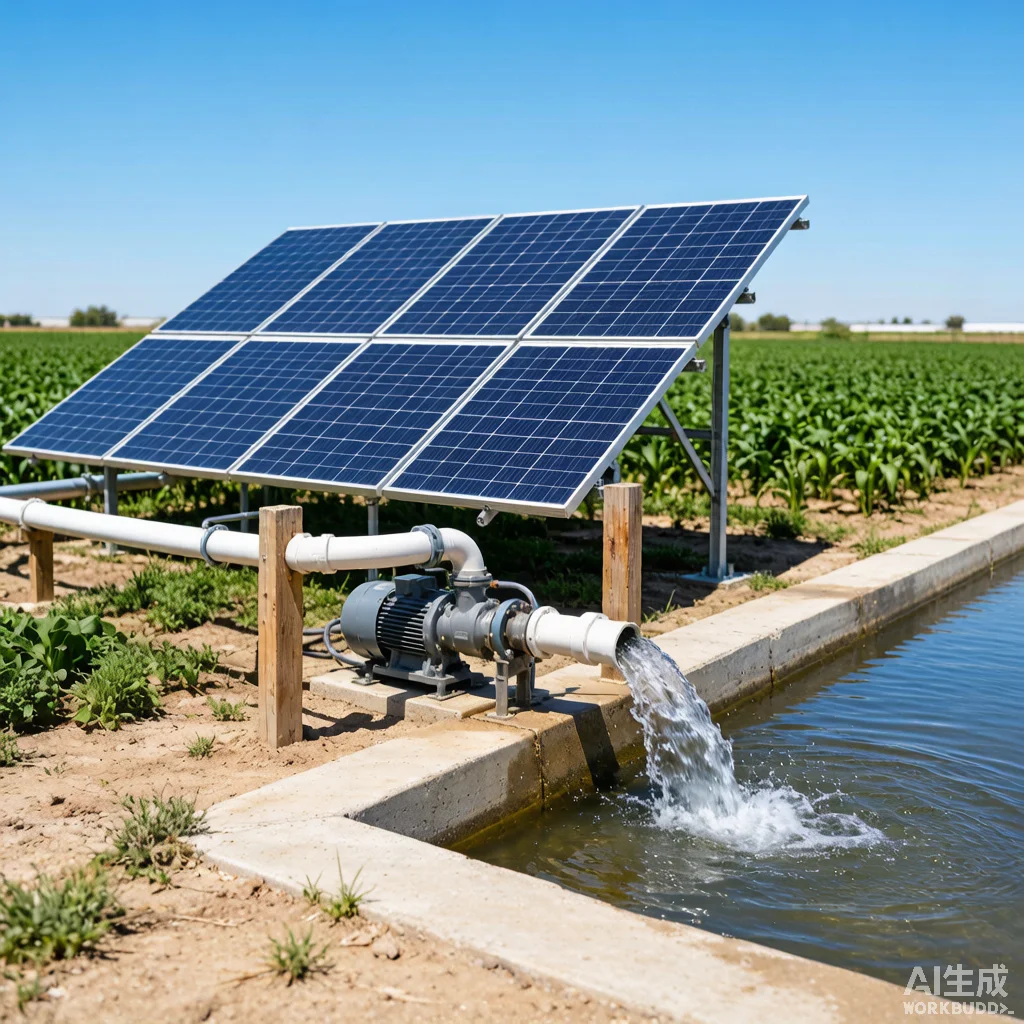
A: Yes. Groundwater accessed by solar pumps provides irrigation during dry spells when rain-fed crops fail. Combined with drip irrigation, water use efficiency reaches 90% vs 40-50% for flood irrigation.
Q: What is the carbon impact of shifting from rain-fed to irrigated agriculture?
A: Solar irrigation has near-zero operational emissions. The embodied carbon in manufacturing is recovered within 6-12 months of diesel displacement. Net climate impact is strongly positive.
Q: How does solar irrigation affect groundwater sustainability?
A: Solar pumps reduce pumping cost to near zero, creating over-extraction risk. Sustainable deployment requires groundwater governance: permits, metering, and aquifer recharge programs alongside pump distribution.
For development agencies and B2B organizations on climate-resilient agriculture, contact KINBO for solar irrigation solutions.
Related Articles
- Solar Irrigation in Sub-Saharan Africa
- Environmental Impact of Solar Pumps
- KINBO Irrigation Solutions