Diesel vs Solar Pumps for Remote Gold Mining: Cost, Reliability and Emissions Compared for Operators
Introduction
Every remote gold miner faces the same choice: haul diesel or harvest sunlight. The decision shapes cost, uptime and the site’s footprint. KINBO builds both, and this article compares the two for gold sites: the remote challenge, diesel reality, solar advantage, a side-by-side comparison, and the outlook for operators weighing the trade-off.
Table of Contents
The Remote Gold Mining Challenge
Gold is won in places with no grid, rough access and variable water need. The pumping source must be dependable through heat, dust and isolation, where a breakdown stalls the whole operation.
Fuel logistics are themselves a mining activity: trucks, storage, spill risk and the cash tied up in inventory. The pumping choice is therefore an operating-model decision, not just equipment.
Sun, by contrast, arrives free on the claim every day the miner wants to work.
Diesel Pump Reality
Diesel pumps start in any weather and run day or night, which suits urgent dewatering and night shifts. But the costs accumulate: fuel, transport, filters, oil and generator wear.
- Fuel haul: expensive and weather-dependent on bad roads.
- Maintenance: engines need regular service in dust.
- Risk: spills, theft and storage compliance.
For sporadic, high-power bursts diesel remains pragmatic, but for steady daytime duty its cost is hard to justify.
Solar Pump Advantage
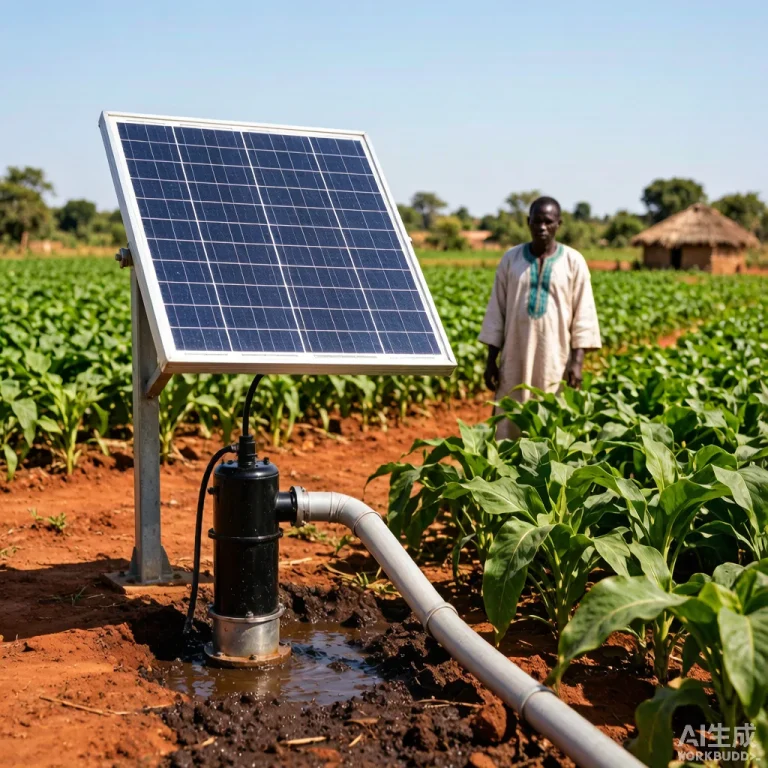
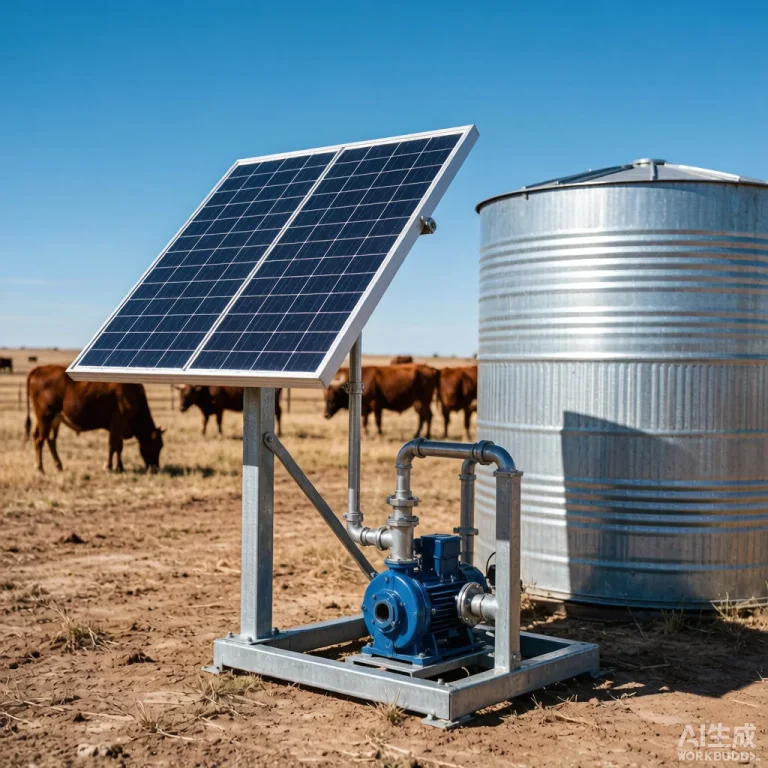
Solar pumps turn the site’s abundant sun into water with no fuel, no exhaust and minimal moving parts beyond the pump. Daytime gold processing aligns perfectly with solar generation.
A buffer tank or small battery covers brief gaps, and an AC DC hybrid can add grid or generator only when truly needed.
KINBO sees solar dominating new remote gold installs where the duty is steady and daytime. A pump selection guide helps match solar capacity to real daily demand.
Side-by-Side Comparison
The table summarizes the trade-off.
| Factor | Diesel | Solar |
|---|---|---|
| Running cost | High | Low |
| Night operation | Yes | Needs storage |
| Emissions | High | None |
The right answer is often hybrid: solar base load, diesel or battery for peaks.
Outlook for Operators
As panel prices stay low and batteries improve, solar’s share of remote gold pumping keeps rising. Operators who standardize on solar for steady duties and keep one diesel backup for surges cut cost without losing resilience.
Buyers should size solar to real daily demand and verify after-sales support, as a maintenance plan determines true lifetime cost.
The trend is clear: sunlight is the cheapest fuel on a gold claim, and the mine of the future pumps on it.
Frequently Asked Questions
What is the remote gold mining pumping challenge?
No grid, rough access and variable water need mean the source must be dependable through heat and dust, while fuel logistics add cost, risk and tied-up capital.
When does diesel still make sense?
For sporadic, high-power bursts like urgent dewatering or night shifts; its always-on capability justifies cost when solar storage is impractical.
Why choose solar for gold mining?
Sun is free on the claim, aligns with daytime processing, needs no fuel or exhaust, and has few moving parts beyond the pump for steady duties.
What is the best approach for most operators?
Hybrid: solar for the steady base load and a diesel or battery backup for peaks, which cuts cost while keeping resilience.
For B2B buyers diesel vs solar pumps for gold mining, contact KINBO for competitive FOB pricing and technical specifications.
Related Articles
- AC DC Solar Pump: Types, Built-in Controllers and How to Select One for Off-Grid Water Supply
- Difference Between DC and AC Solar Pumps: Which One Should You Choose for Your Water Project?
- Explore KINBO Built-in Controller Solar Pumps