Solar Irrigation Cooperatives in Africa: Shared Pumping Models That Scale Smallholder Impact
Introduction
A single smallholder rarely needs, or can afford, a full solar irrigation system. But thirty of them together often can. Solar irrigation cooperatives in Africa pool land, money, and labor so that shared pumping serves many farms at once, turning an individual expense into a collective asset. KINBO supplies the pumping hardware behind several such schemes.
Table of Contents
How Shared Pumping Works
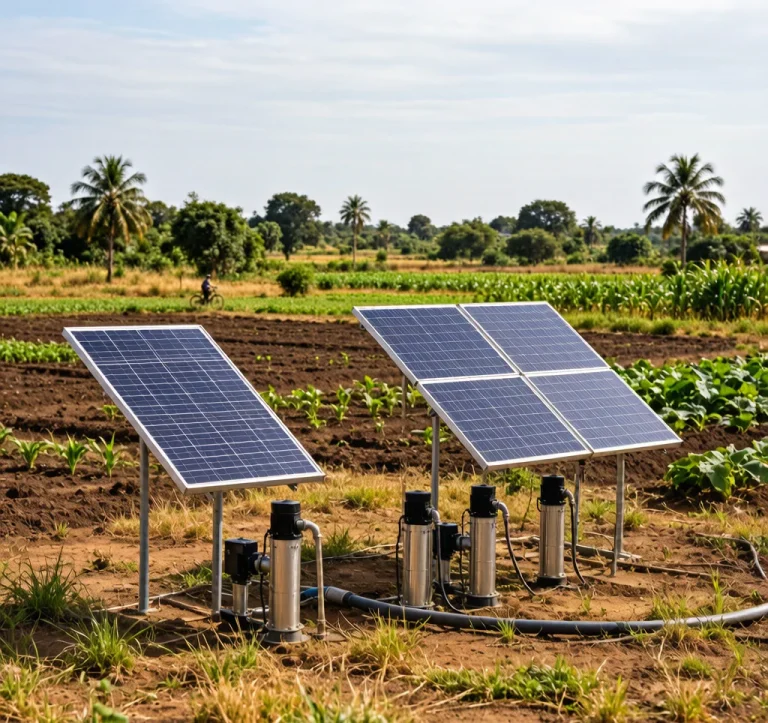
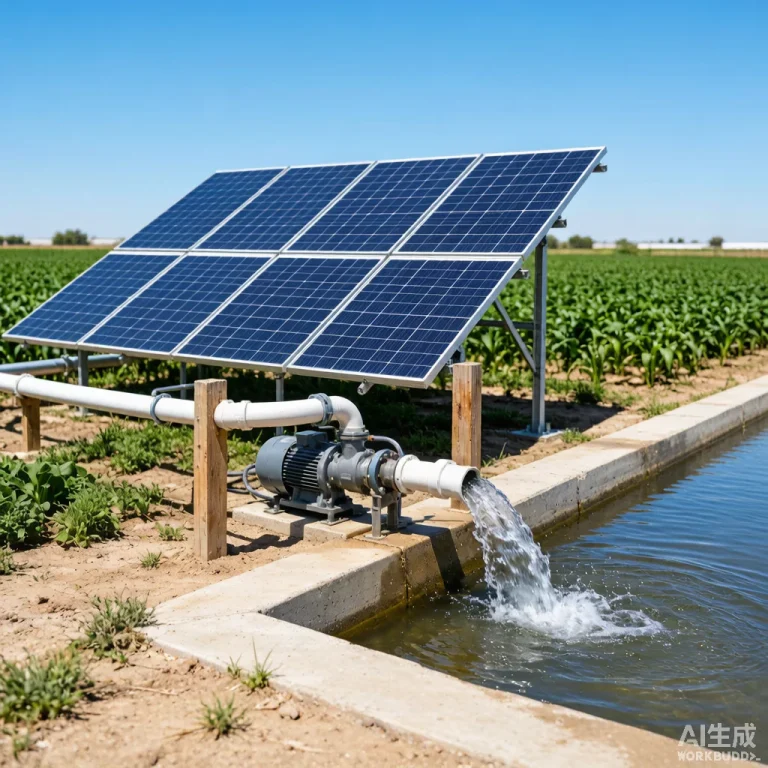
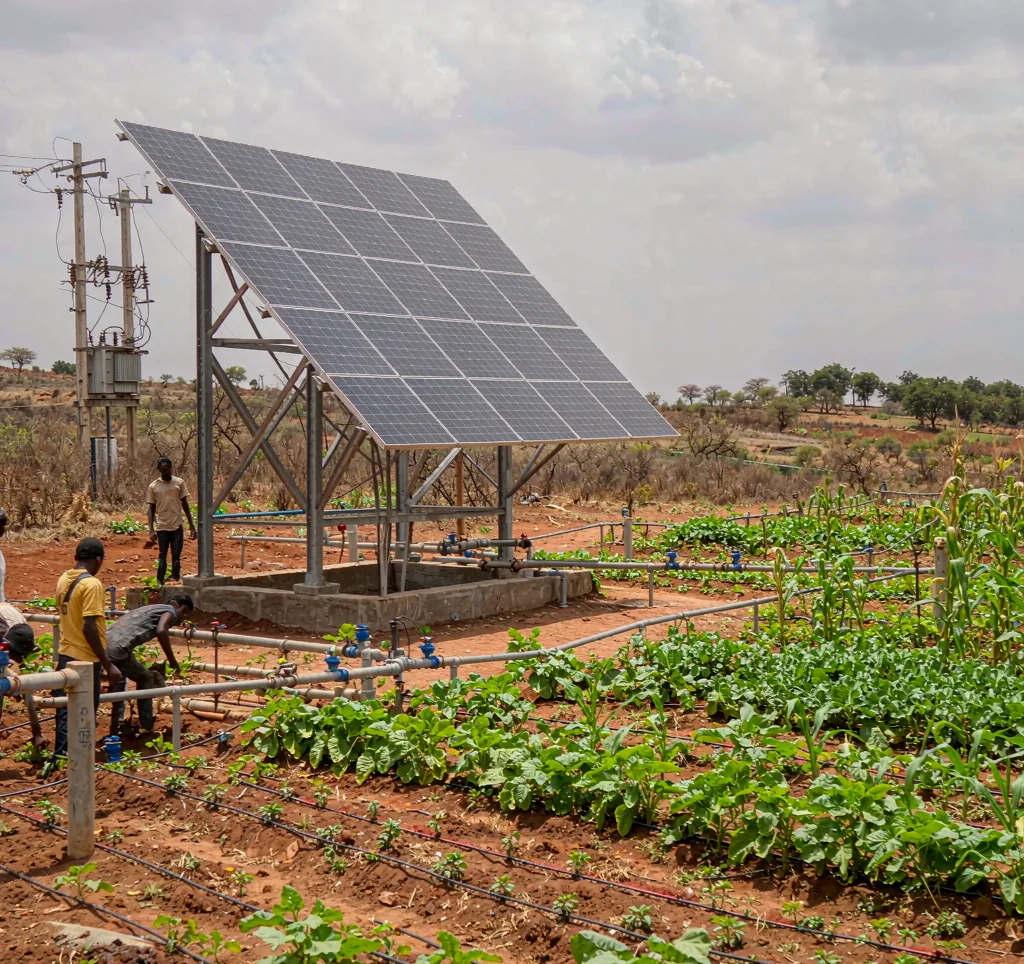
In the common model, a cooperative installs one larger solar pumping set at a shared water source, then distributes water through a simple pipe network to member plots. Members pay a fee or contribute labor and land for the infrastructure. Because the array and pump are sized for the group rather than the individual, the cost per farmer drops well below what any of them could justify alone. Water is typically delivered on a roster, with each member’s plot served in turn, so the pump runs at its efficient best rather than idling between scattered draws.
The continental demand backdrop is strong; our 2026 Africa solar water pump market outlook tracks the growth that makes cooperative models increasingly viable.
Governance and Cost Sharing
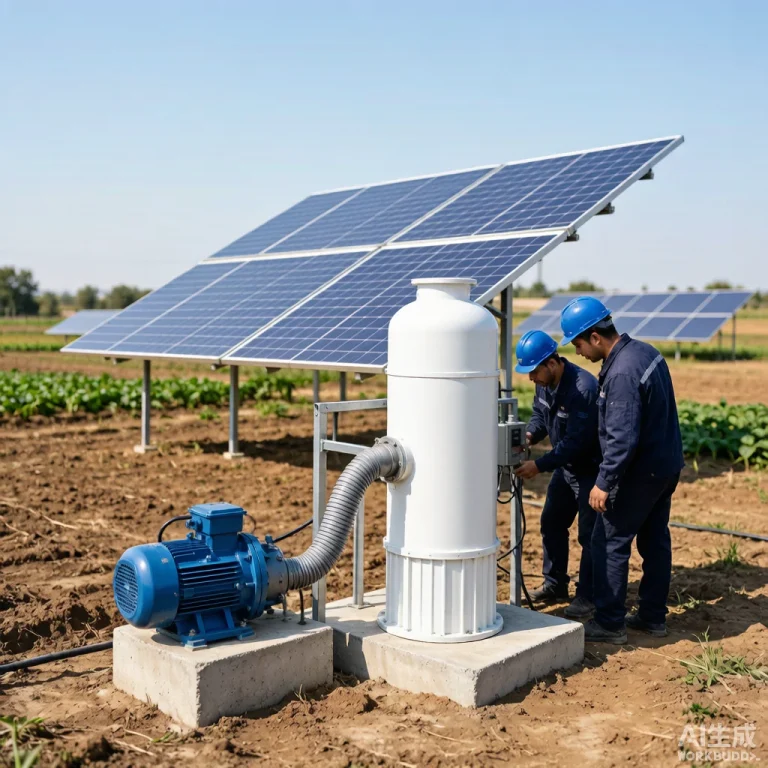
Hardware is rarely what fails in a cooperative; rules are. Successful schemes write down who maintains the pump, who pays when a part is needed, and who gets water when demand exceeds supply. Rotating maintenance duty, a written fee schedule, and a small spare-parts fund are the difference between a scheme that runs for a decade and one that dies in its second dry season.
| Element | Why it matters |
|---|---|
| Written water schedule | Prevents conflict at peak demand |
| Maintenance rota | Keeps panels washed and intakes clear |
| Spare-parts fund | Turns a breakdown into a repair, not a closure |
| Transparent fees | Keeps members paying and engaged |
The Economics of Sharing
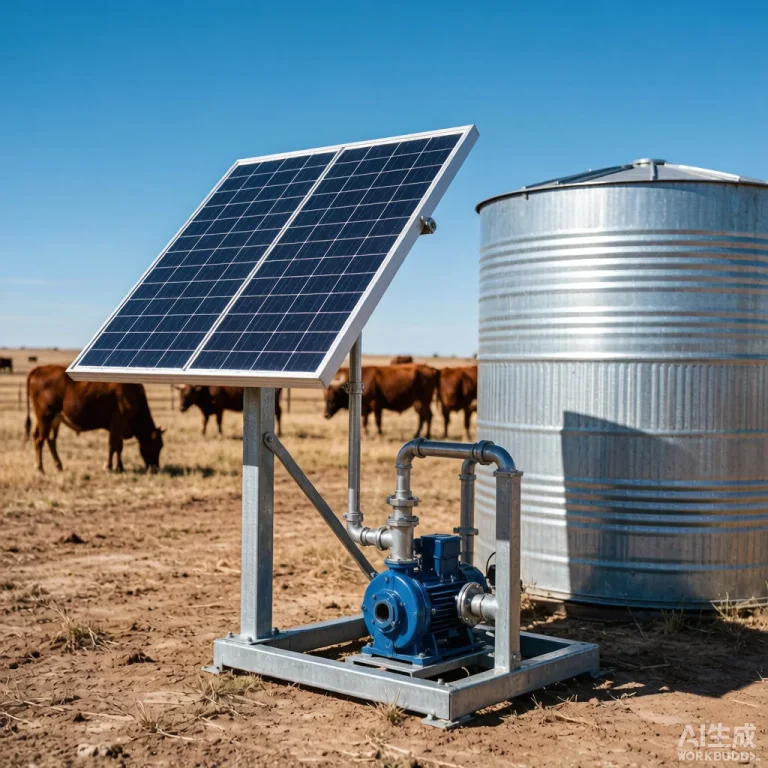
Sharing works because the expensive parts scale poorly. A pump and array that serve one farmer at high cost per hectare serve ten farmers at a fraction of that, since capacity is added in steps rather than duplicated. The savings fund better equipment than any individual would buy, and the cooperative can afford filtration, proper piping, and a buffer tank that raise reliability for everyone. Buying as one body also means better pricing and warranty terms than scattered individual purchases would ever see.
Where Cooperatives Fail
- Unclear rules: no schedule and no fee list means the loudest member wins and the rest drift away.
- No maintenance owner: shared duty becomes nobody’s duty until the pump stops.
- Free-rider problems: unpaid members still draw water, which collapses the fee base.
- Wrong sizing: a set built for optimism rather than measured demand disappoints everyone at once.
The cooperative model is not automatic; it is a small institution wrapped around good hardware. Where the institution is real, shared solar pumping delivers irrigation at a price no individual farmer could reach alone.
Frequently Asked Questions
How many farmers can one system serve?
Depends on water and land, but shared sets commonly serve 10-40 smallholdings with zoning.
Who maintains the pump?
The cooperative, ideally on a written rota, funded by member fees.
Is conflict over water common?
Only where schedules and fees are unwritten; clear rules prevent most disputes.
What size system should a cooperative start with?
Size to measured demand of committed members, not optimistic enrollment.
For B2B buyers equipping cooperative solar irrigation schemes in Africa, contact KINBO for competitive FOB pricing and technical specifications.
Related Articles
- Solar Water Pumps for African Smallholder Agriculture
- Solar-Powered Water Supply for African Schools Case Study
- Explore KINBO Solar Surface Pumps