Choosing a Pump for Gold Sluice Box Feeding: Flow, Head and Reliability for Steady Sluices
Introduction
The sluice box is the heart of many small and medium gold operations, and it lives or dies by its water supply. Too little flow and gold is not carried; too much and it is washed out. KINBO helps operators pick the right feed pump. This article covers how a sluice uses water, its flow and head needs, the best pump types, a comparison, and setup tips for steady feeding.
Table of Contents
How a Sluice Box Uses Water
A sluice uses a thin, steady sheet of water flowing down a tilted riffled mat. Heavy gold drops into the riffles while lighter waste rides over the top. The water velocity must be just right to move waste but not gold.
Because the mat width and slope are fixed by the box, the pump’s job is to deliver that designed flow consistently, not to maximize it. Stability beats peak output.
Recovery drops sharply when flow surges or fades, so the feed system is a precision supply, not a firehose.
Flow and Head Requirements
Flow is set by sluice width and the recommended centimetres-per-second velocity, usually expressed as litres per minute. Head is the lift from source to the sluice plus friction in hose and mat.
- Width: wider box needs more flow.
- Slope: steeper needs more velocity, hence more flow.
- Lift: source below the box adds head.
A head calculation turns these into the pump duty so you do not guess.
Best Pump Types for Sluices
Most sluices are fed by a surface pump drawing from a creek, pool or header tank. The pump should deliver a flat flow curve across the day and tolerate the grit that always finds its way in.
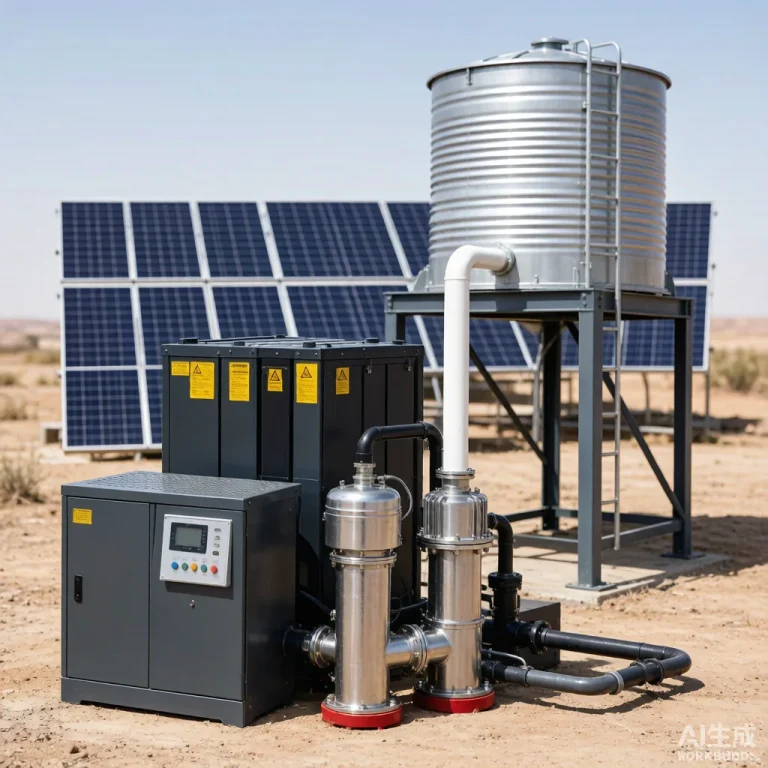
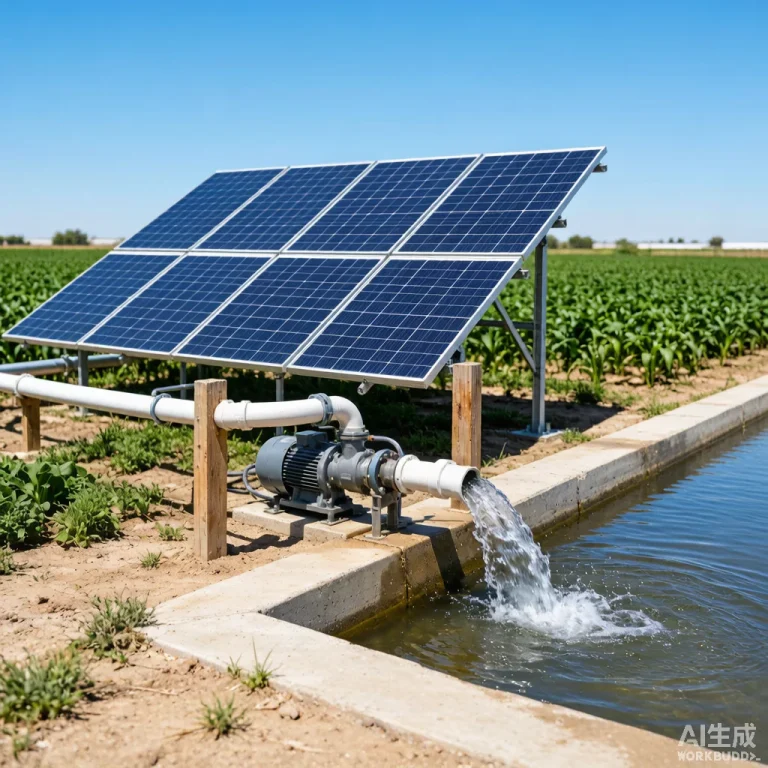
Solar surface pumps are ideal for off-grid claims; a small battery or header tank covers brief sun gaps. Submersible units suit deep sources but are harder to service in the field.
KINBO favors sealed drives and strainers so a sluice keeps running through a long processing day.
Comparison of Options
The table contrasts common sluice feed choices.
| Option | Best when |
|---|---|
| Solar surface | Off-grid, creek source |
| Submersible | Deep bore or pit |
| Fuel surface | No sun, urgent |
For most claims the solar surface pump wins on weight, cost and silence.
Setup Tips
Fit a strainer, keep the suction hose short and prime the line before starting. Use a header tank or valve to fine-tune flow to the sluice’s rated setting and avoid surges.
Monitor flow through the day and clean the intake when it dips; a clogged strainer is the usual cause of a failing sluice. A selection guide helps confirm the model before purchase.
Mark the optimal valve position so any crew member can reproduce the right flow instantly.
Frequently Asked Questions
How does a sluice box use water?
A thin steady sheet flows down a riffled, tilted mat; heavy gold drops into riffles while light waste rides over, so flow must be stable, not maximal.
What flow and head does a sluice need?
Flow is set by box width and target velocity in litres per minute; head is source-to-sluice lift plus hose and mat friction, found via a head calculation.
Which pump is best for sluice feeding?
Usually a solar surface pump from a creek or tank for off-grid claims; submersible suits deep sources but is harder to service in the field.
How do I keep sluice flow steady?
Use a strainer, short suction hose, a header tank or valve to fine-tune flow, and clean the intake when flow dips to avoid surges that lose gold.
For B2B buyers pumps for gold sluice boxes, contact KINBO for competitive FOB pricing and technical specifications.
Related Articles
- Solar Submersible vs Surface Pumps: How to Choose the Right Pump Type for Your Water Source
- Solar Pump Head Calculation: How to Size Static Lift, Friction Loss and Total Dynamic Head Correctly
- Explore KINBO Solar Surface Pumps