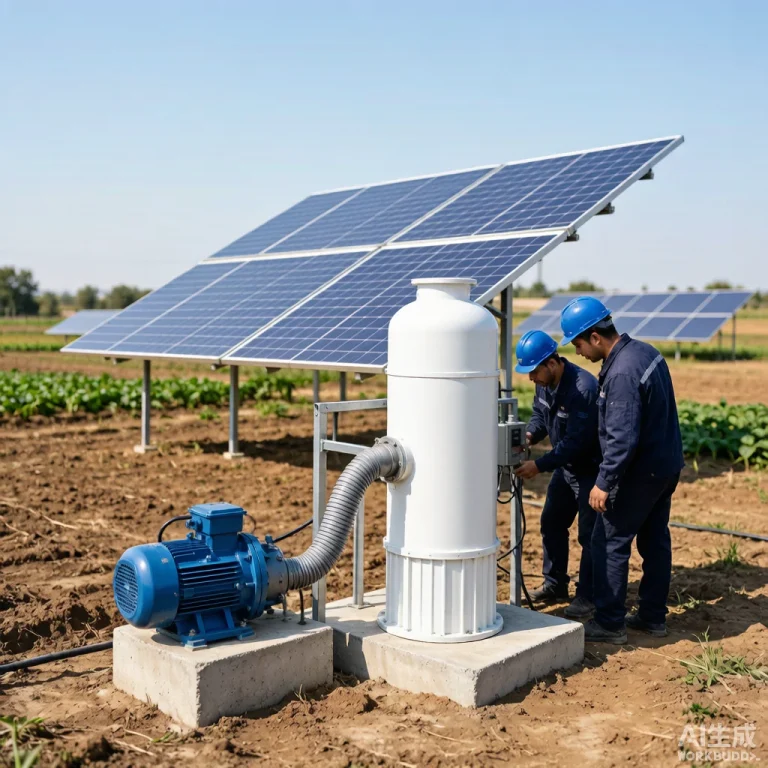
High-Pressure Pumps for Gold Ore Washing: Sizing Pressure and Flow for Efficient Ore Cleaning
Introduction
Washing gold ore to free particles demands pressure as much as volume. Too little and clay binds the gold; too much and you waste energy and scour fines away. KINBO sizes high-pressure pumps for the wash circuit. This article explains why pressure matters, how to specify pressure and flow, which pump types suit the duty, how options compare, and how to size correctly.
Table of Contents
Why Pressure Matters in Ore Washing
Gold ore is often bound in clay and slimy material that low-pressure water cannot break. Adequate pressure disaggregates the matrix so gravity separation can act on freed particles.
But pressure has a ceiling: beyond it, you atomize the feed and wash fine gold into the tailings. The aim is enough force to clean, not so much that you lose recovery.
Matching pressure to ore type – sandy versus clayey – is the single biggest washing efficiency lever.
Pressure and Flow Specification
Specification starts with the wash deck area and the required litres per square meter per minute, then the nozzle pressure. Total duty is flow times head, with losses for pipe and elevation.
- Flow: covers the deck and carries liberated material.
- Pressure: breaks clay and drives spray pattern.
- Losses: pipe friction and lift must be added back.
A head calculation converts site layout into the real pressure the pump must deliver at the nozzle.
Pump Types for High Pressure
Multistage centrifugal and plunger pumps reach the needed pressure; the choice depends on flow and solids. Plungers hit high pressure but dislike grit, while multistage centrifugals tolerate more solids at moderate pressure.
For solar sites, a surface multistage driven through the controller is simplest to power and service. Abrasion-resistant internals extend life where the feed carries fines.
KINBO matches stage count and materials to the ore’s abrasiveness and target pressure.
Compare Options
The table contrasts the main high-pressure choices.
| Type | Pressure | Solids tolerance |
|---|---|---|
| Multistage centrifugal | Moderate-high | Good |
| Plunger | Very high | Low |
| Standard centrifugal | Low | Good |
Most gold wash duties land on the multistage centrifugal for its balance of pressure and grit tolerance.
Sizing Guidance
Start from nozzle pressure and deck flow, add friction and lift, then choose a pump whose curve holds efficiency at that duty as wear grows. Oversize the array slightly so pressure does not collapse on hot, cloudy days.
Include a pressure regulator so operators cannot accidentally scour fines by opening flow too high. A pump type comparison helps confirm placement and drive.
Test on a representative ore sample before committing the full circuit to a pressure setting. A pump selection guide helps confirm the model against your ore.
Frequently Asked Questions
Why does pressure matter in gold ore washing?
Enough pressure breaks clay binding the gold so gravity can act, but too much scours fine gold into tailings; matching pressure to ore type is the key efficiency lever.
How do I specify a high-pressure wash pump?
Base it on deck area and required litres per square meter per minute plus nozzle pressure, then add pipe friction and lift losses from a head calculation.
Which pump type suits high-pressure ore washing?
Multistage centrifugal pumps offer the best balance of moderate-high pressure and grit tolerance; plungers reach higher pressure but dislike solids.
How do I avoid losing fine gold while washing?
Use a pressure regulator to prevent over-pressure, size the pump to hold efficiency as it wears, and test the setting on a representative ore sample first.
For B2B buyers high-pressure gold ore washing pumps, contact KINBO for competitive FOB pricing and technical specifications.
Related Articles
- Solar Pump Head Calculation: How to Size Static Lift, Friction Loss and Total Dynamic Head Correctly
- Solar Submersible vs Surface Pumps: How to Choose the Right Pump Type for Your Water Source
- Explore KINBO Solar Surface Pumps