Gold Mine Dewatering Pumps: Keeping Pits and Underground Tunnels Dry for Safe, Continuous Operation
Introduction
Water inflow is a constant threat in gold mining: pits fill, tunnels seep, and storms flood workings. Dewatering pumps keep the mine dry enough to work safely and continuously. KINBO supplies robust units for remote sites. This article covers why dewatering matters, the sources of water to remove, selecting a dewatering pump, solar options for off-grid mines, and safety with monitoring.
Table of Contents
Why Dewatering Matters
Standing water slows excavation, risks equipment and can collapse faces or inundate tunnels. Effective dewatering protects both production and lives, so it is planned from the earliest design stage.
In gold mines, inflow often carries fine sediment and sometimes process chemicals, so the pump must handle more than clean water. Ignoring it turns a manageable seep into a shutdown.
A reliable dewatering plan is as much a safety system as a production tool.
Water Sources to Remove
Inflow comes from rainfall, groundwater seepage, adjacent rivers and, in some sites, process water that has migrated. Each source varies in volume and timing, with storms causing sharp peaks.
- Seepage: steady, low-volume, sediment-laden.
- Stormwater: sudden, high-volume surges.
- Process migration: continuous, may carry fines.
Sizing for the storm peak, not the average, prevents the worst-day flood that stops the mine.
Pump Selection for Dewatering
Dewatering often means lifting water from depth through long pipes, so head and solids handling dominate the choice. Submersible pumps in the sump are common, with abrasion-resistant passages for sediment.
Redundancy matters: a standby pump avoids a single point of failure during a storm. Variable duty also argues for a controller that tolerates fluctuating input.
A correct pump selection matches flow, head and solids rather than buying on horsepower alone.
Solar for Remote Dewatering
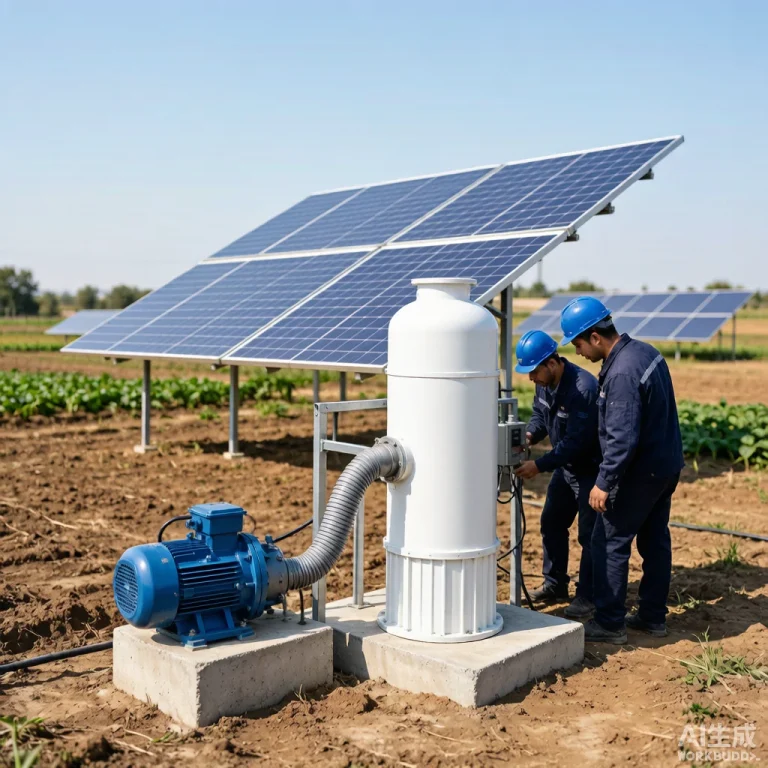
Many gold mines are far from grid, where diesel dewatering is expensive and risky during fuel shortages. Solar pumping, often with battery or hybrid backup, can handle steady seepage economically.
| Option | Best for |
|---|---|
| Solar + battery | Steady seepage |
| Solar + diesel hybrid | Storm peaks |
| Pure diesel | No sun, urgent |
A hybrid covers the rare surge while solar carries the daily base load cheaply.
Safety and Monitoring
Dewatering pumps sit in hazardous, wet, confined spaces. Guarding, bonding and remote alarms protect crews, and level sensors trigger the standby before the sump overflows.
Regular inspection of cables and float switches prevents electrical and overflow incidents. KINBO recommends logged run hours so wear is predicted, not discovered mid-storm.
Tie dewatering alarms into the site’s main safety system so a failure escalates immediately, not at the next shift check.
Frequently Asked Questions
Why is dewatering critical in gold mines?
Standing water slows excavation, risks equipment and can collapse faces or flood tunnels; reliable dewatering protects both production and worker safety.
What water sources must dewatering handle?
Rainfall, groundwater seepage, adjacent rivers and migrated process water, with storm events causing sudden high-volume surges that must be sized for.
Can solar handle mine dewatering?
For steady seepage yes, often with battery or diesel hybrid backup for storm peaks; solar carries the daily base load while hybrid covers rare surges.
How is dewatering made safe?
Use guarding, bonding, level sensors and remote alarms, inspect cables and floats regularly, and log run hours to predict wear before failures.
For B2B buyers gold mine dewatering pumps, contact KINBO for competitive FOB pricing and technical specifications.
Related Articles
- Solar Pump Controller Settings: MPPT, Voltage, Protection and How to Configure Your System Correctly
- Solar Water Pump Preventive Maintenance Checklist: Extend System Life and Avoid Costly Downtime
- Explore KINBO Solar Submersible Pumps