Solar Water Pumps for African Flower Farms: Irrigation and Export-Grade Horticulture Applications
Introduction
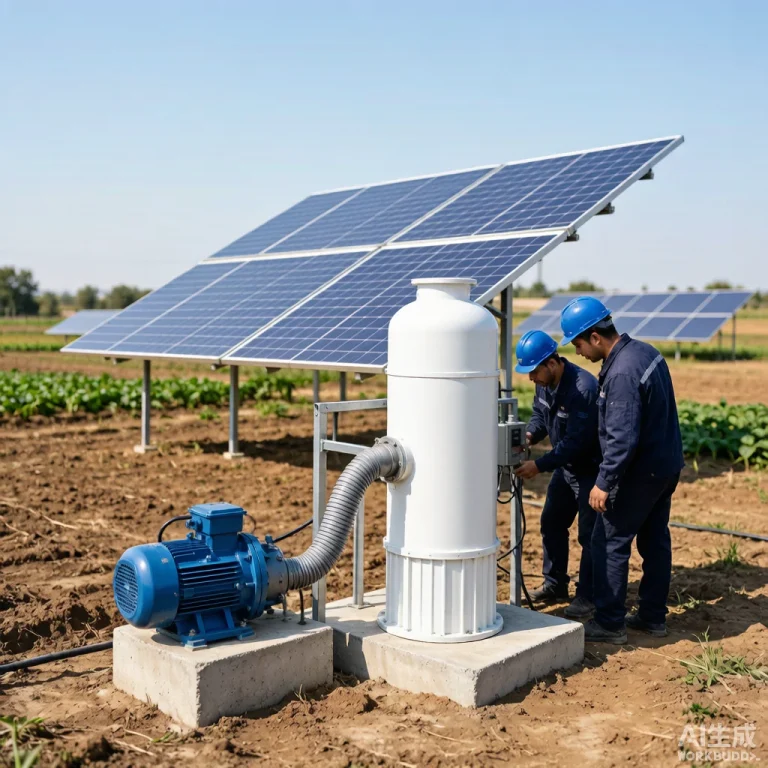
Cut flowers such as roses and carnations are a high-value African export, but the crop is unforgiving on water: a missed irrigation wilts stems and drops the grade buyers pay for. Many estates sit beyond stable grid power, so solar water pumps for African flower farms now deliver the precise moisture export grades demand. KINBO equipment supports the steady midday flow flowers need. This article reviews flower water needs, system design, and the market shift toward solar irrigation in horticulture.
Table of Contents
Flower Water Needs Through Growth
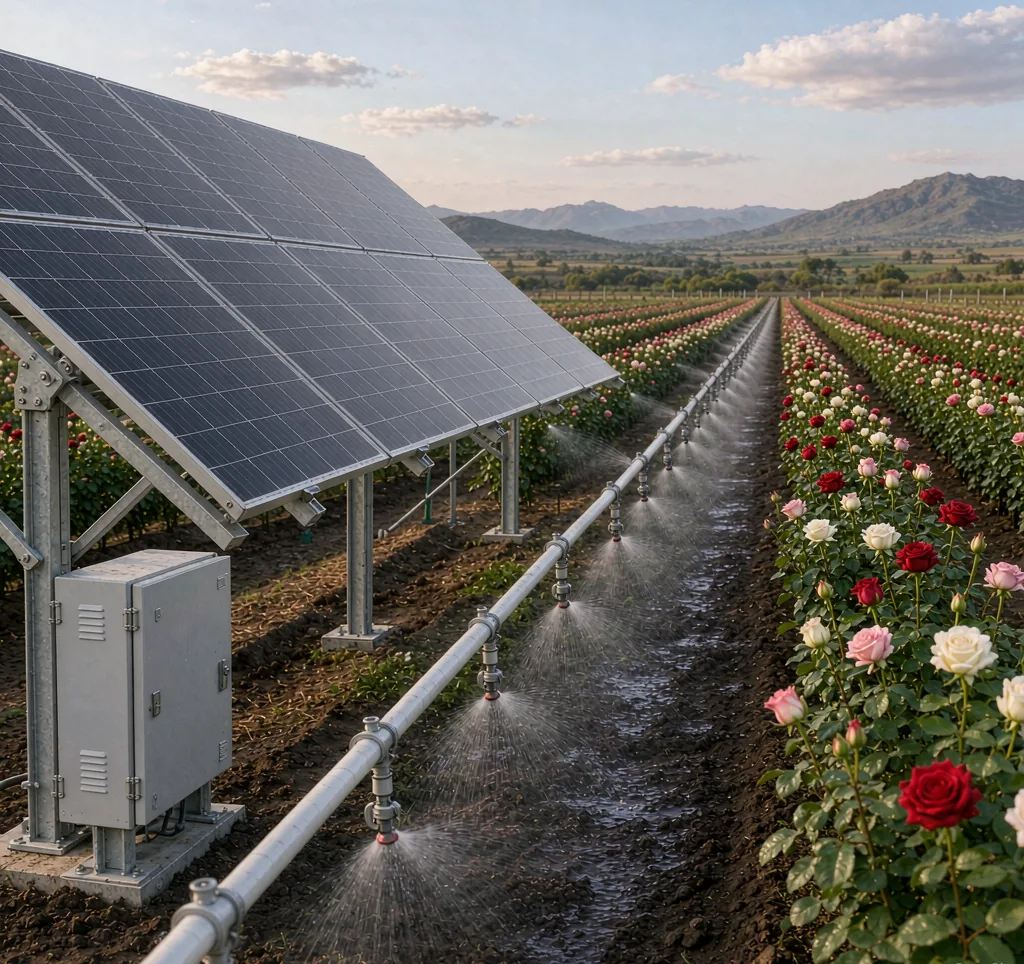
Flower water demand is highest during stem elongation and bud set, when shallow roots cannot cope with heat stress. A missed irrigation at bud set directly shrinks stem length and vase life, the two traits exporters price.
Solar pumping aligns with this: the hottest, brightest part of the day is when flowers lose most water, so generation and demand peak together.
Micro-Sprinkler and Drip Applications
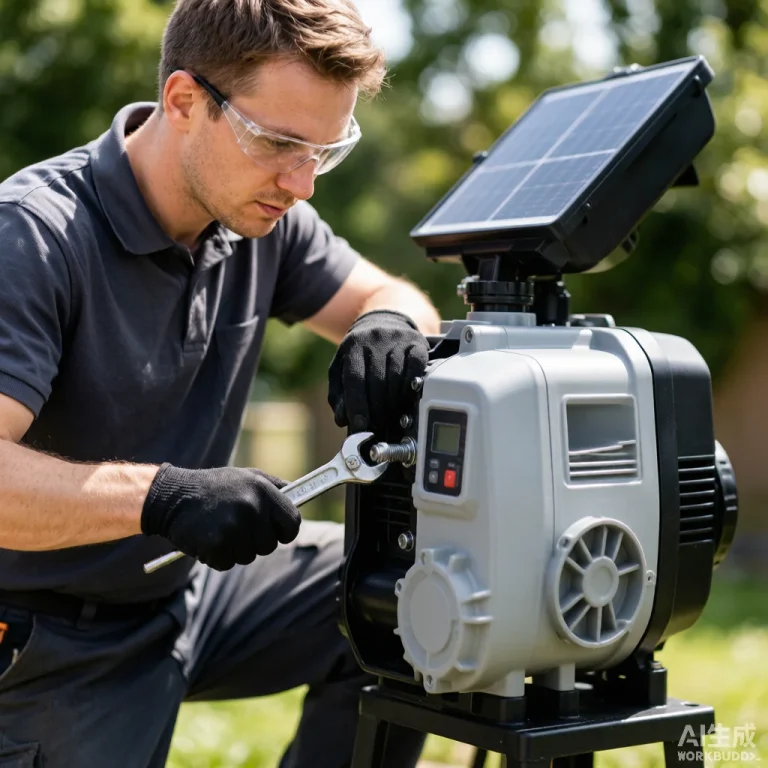
Micro-sprinklers suit flower basins and young blocks; drip suits mature rows and conserves water. Both run happily on a solar surface pump with adequate pressure.
| Option | Solar Surface | Diesel Surface |
|---|---|---|
| Running cost | Low | High |
| Pressure stability | Good | Good |
| Emissions | None | CO2 |
| Fuel risk | None | Supply risk |
System Design for Estates
An estate system usually draws from a borehole with a submersible pump into a tank, then a surface pump distributes through the block. Filtration protects emitters from clogging in dusty highland air.
- Submersible source pump to the header tank.
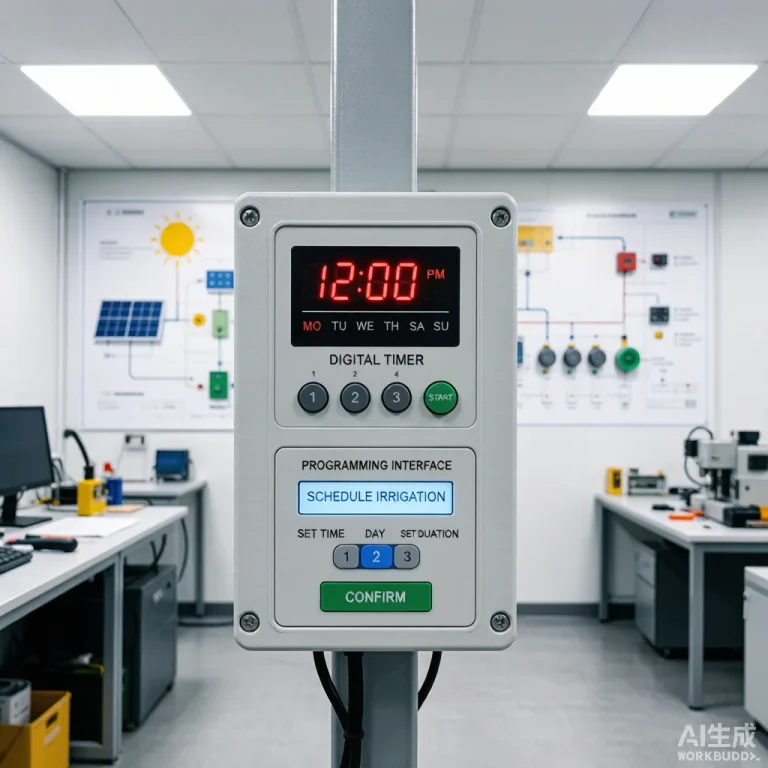
- Surface distribution pump with controller.
- Filtration before emitters.
- Pressure regulator for even rows.
Referencing a crop water demand reference helps set the right litres per bed per day for each flower variety.
Crop Demand and Sizing
Sizing uses estate area, crop coefficient, and reference evapotranspiration to estimate daily volume, then converts to flow and head. Young and mature blocks differ, so design for the mature canopy.
- Area and bed spacing.
- Crop water need per day.
- Total dynamic head.
- Pump and PV with margin.
- Tank to smooth peaks.
Market and Sustainability Outlook
European and Gulf buyers increasingly specify water stewardship and low-carbon production, so solar irrigation is becoming a market-access requirement, not just a cost saver. Estates that adopt it early secure both yield stability and preferred-supplier status.
The advantages of solar irrigation compound across a multi-year crop cycle, protecting the thin margins of export horticulture.
Frequently Asked Questions
Which irrigation suits African flower farms?
Micro-sprinklers work well for flower basins and young blocks, while drip suits mature rows and conserves water; both run on a solar surface pump.
Can solar pumps run flower irrigation reliably?
Yes. A solar surface pump with a controller delivers the steady pressure flowers need, peaking with the midday demand the crop experiences.
How many panels for a 2 ha flower estate?
A 2 ha flower estate typically needs around 2-3 kW of PV for drip or micro-sprinkler supply, adjusted for climate and crop coefficient.
Is solar irrigation worth it for small flower farms?
For small farms the payback is slower, but water security during bud set often justifies it where grid power is unreliable.
For B2B buyers flower farm solar pumping projects, contact KINBO for competitive FOB pricing and technical specifications.
Related Articles
- Solar Water Pumps for African Fruit Orchards and Commercial Crop Estates: Reliable Irrigation Supply
- Solar Water Pumps for African Coffee and Tea Plantations: Irrigation and Processing Applications
- Explore KINBO Solar Surface Pumps