Solar Pump Float Switches and Water Level Control: Protecting the Source, the Tank and the Pump
Introduction
A solar pump has no operator watching the gauge, so it relies on simple devices to know when to start and stop. Float switches and level sensors are the quiet guardians of a reliable system, preventing both dry-run damage and overflow waste. This guide covers solar pump float switches and water level control in plain terms. KINBO controllers accept standard level signals so protection is easy to wire in.
Table of Contents
Why Level Control Matters
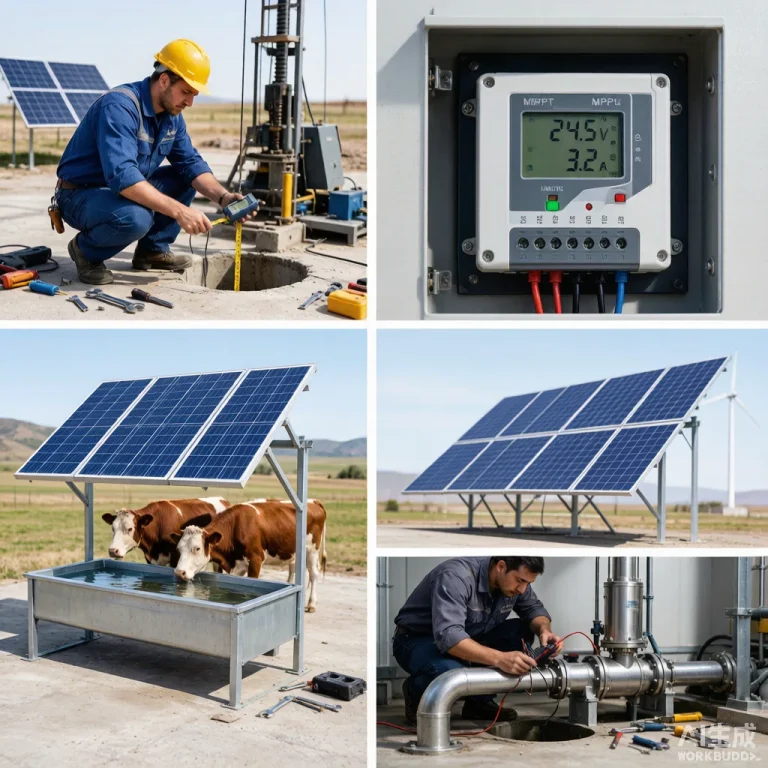
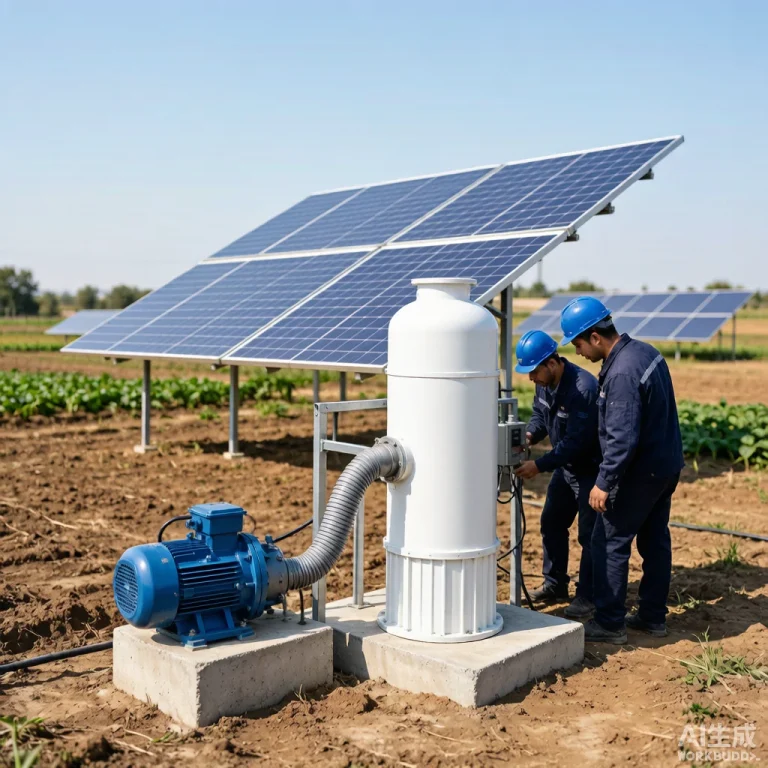
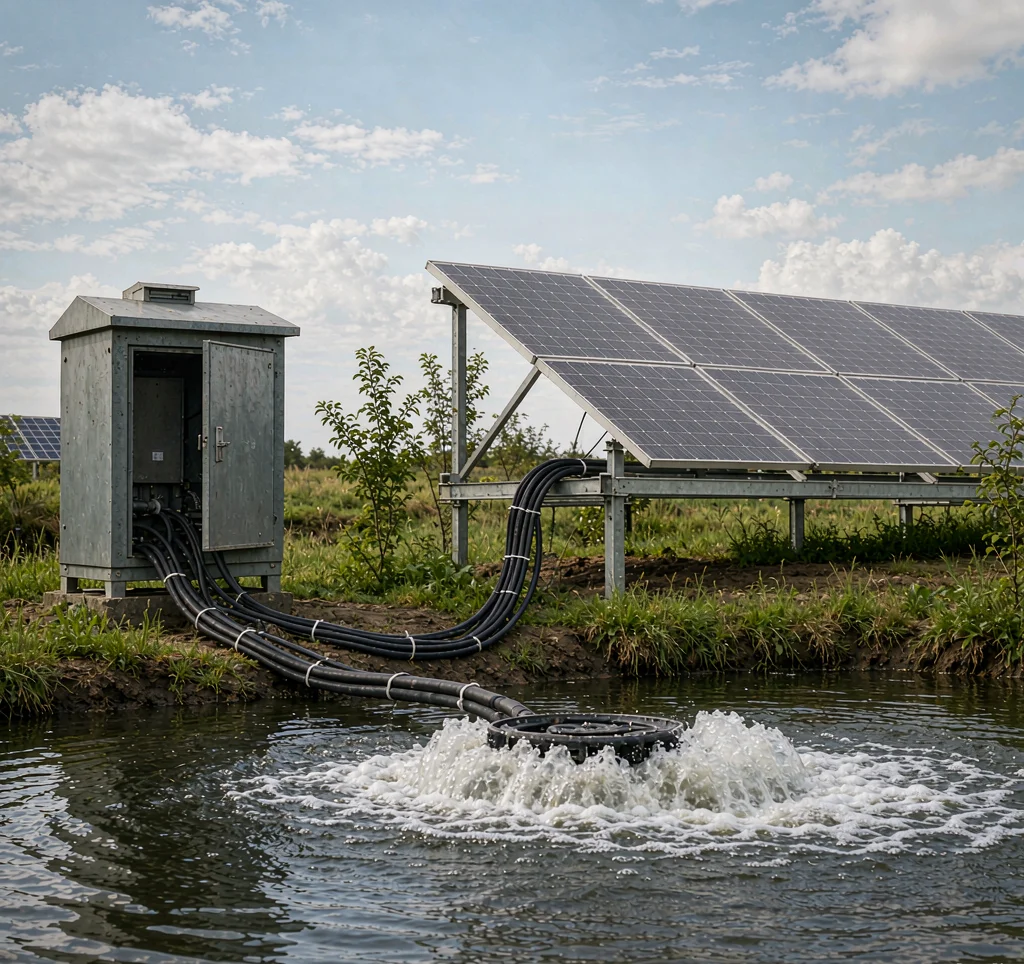
Without level control, two failures are waiting to happen. At the source, a dropping well or river can leave the pump sucking air, which causes cavitation and seal damage within minutes. At the destination, an unattended tank can overflow for hours, wasting water and possibly flooding nearby ground. Level control closes both gaps automatically, letting the system run unattended with confidence.
Float Switches and Alternatives
The humble float switch is the workhorse: a buoyant body trips a relay at a set level, signaling “stop” at the source when low or “stop” at the tank when full. Electronic probes and ultrasonic sensors are alternatives where floats are impractical, such as narrow wells or dirty water, but they add complexity and a power requirement. For most solar duties, a robust float is cheapest and most dependable.
| Device | Best for | Watch out for |
|---|---|---|
| Float switch | Tanks, wells, simple duties | Cable wear, debris snag |
| Conductive probe | Narrow wells, clean water | Scaling, needs power |
| Ultrasonic | Non-contact measurement | Cost, calibration |
A Typical Control Setup
A source float tells the controller to halt when the well is low, while a tank float tells it to stop when the tank is full. The controller combines these with its own dry-run protection so there are two independent safeguards at the source. The result is a system that simply will not run itself into damage, which is exactly what an unattended site requires. For the commissioning side, our solar pump installation best practices cover wiring the sensors cleanly.
Installation and Tuning Tips
- Set the source “stop” level with margin below the lowest expected drawdown, never at the static water line.
- Use a weighted, tangle-free float cable and keep it clear of the pump intake.
- Test each switch by hand before relying on it; a miswired float protects nothing.
- Log the trip levels so a future fault is judged against the designed setpoints.
Level control is inexpensive insurance. A few dollars of float and cable routinely prevent the far larger cost of a burned pump or a flooded yard, and it is what lets a solar system truly run on its own.
Frequently Asked Questions
Can a float switch prevent dry-run?
Yes. A source float stops the pump when the level drops, working alongside the controller’s own dry-run protection.
One float or two?
Two is best: one at the source to prevent dry-run and one at the tank to prevent overflow.
Are electronic sensors better than floats?
Not necessarily. Floats are cheap and reliable; sensors help in narrow or dirty environments where floats struggle.
How often should I test the switches?
During commissioning and then seasonally, or whenever you suspect erratic starting and stopping.
For B2B buyers protecting solar pumping systems with level control, contact KINBO for competitive FOB pricing and technical specifications.
Related Articles
- Solar Pump Battery Backup vs Direct Solar
- How to Size a Solar Water Pump for Deep Borewells
- Explore KINBO Solar Pump Inverters