Solar Pump Pressure Tanks and Pressurization: Sizing and Setup for Steady Water Delivery Systems
Introduction
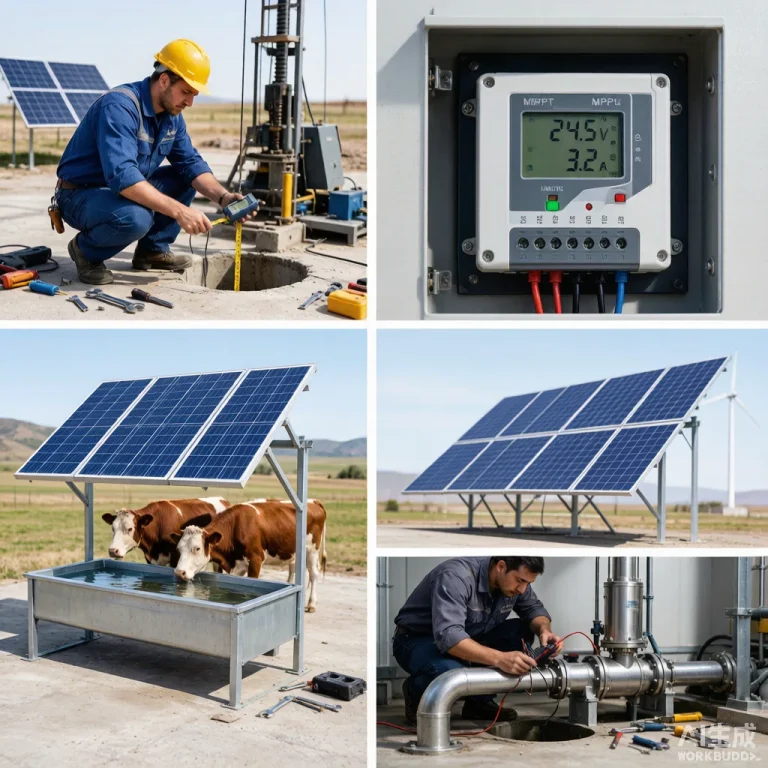
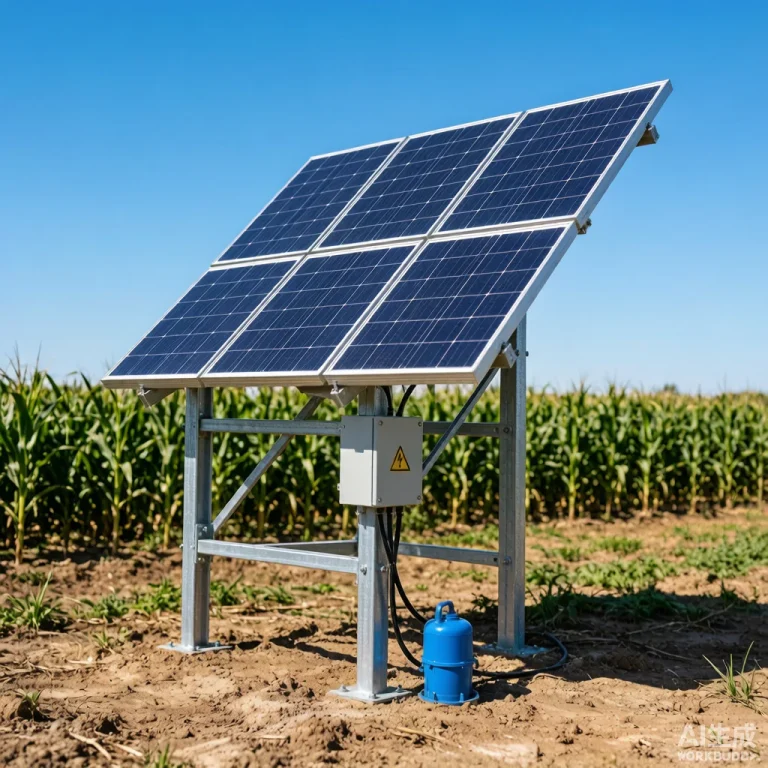
Solar pumps deliver water in pulses tied to sunlight, but most taps and sprinklers want steady pressure. A pressure tank bridges that gap, storing energy as pressurized water so delivery stays smooth even when the sun dips. Getting solar pump pressure tanks and pressurization right is what separates a frustrating trickle from a dependable supply. KINBO controllers pair cleanly with standard tank and switch setups for exactly this reason.
Table of Contents
Why Pressurization Matters
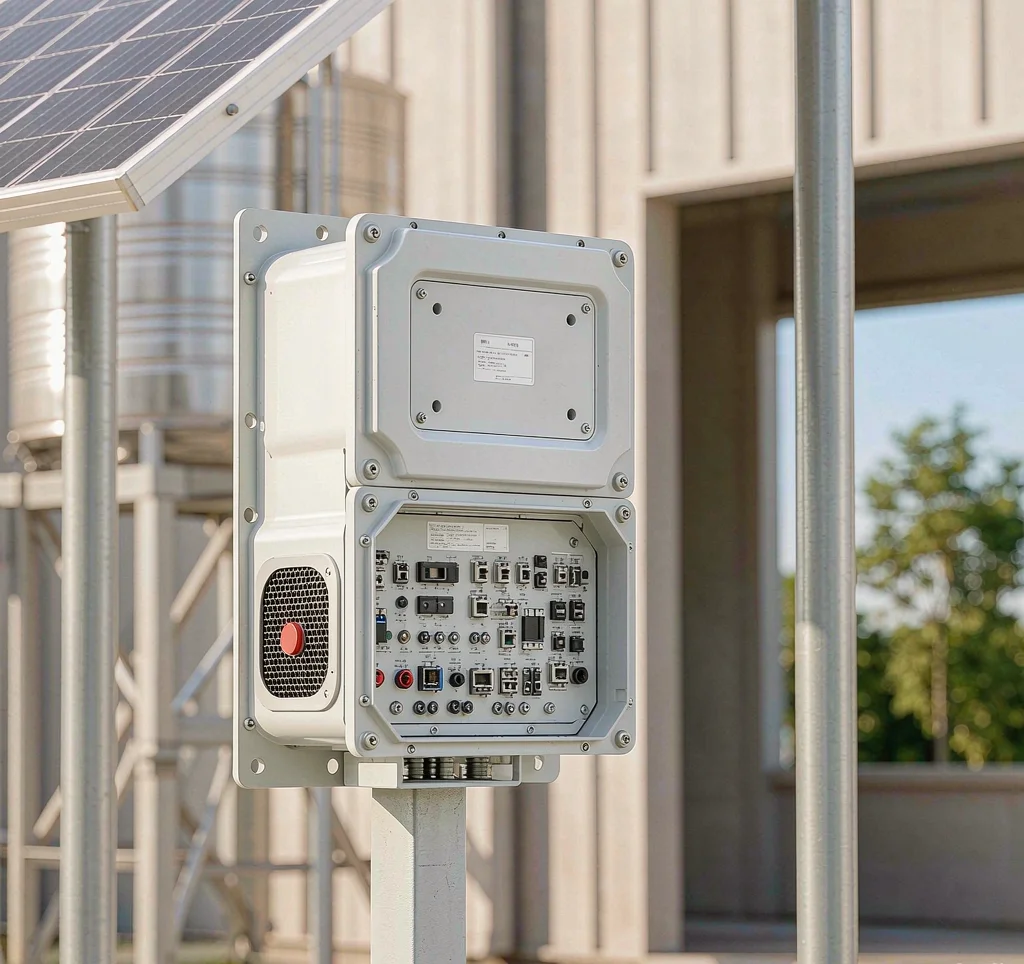
Without a tank, every time you open a tap the pump must start, and every cloud that crosses the sun changes the pressure. A pressure tank holds a cushion of air-compressed water; the pump tops it up when sun is strong and the tap draws from the cushion when sun is weak. The result is consistent pressure at the outlet and far fewer pump starts, which is gentler on the motor and the controller alike.
Sizing the Pressure Tank
Tank size follows the draw pattern, not just total volume. A small household or single trough needs only a modest tank to smooth demand, while a greenhouse or village tap with many short draws needs a larger cushion to avoid constant cycling. A useful rule is to size for the largest typical draw between solar peaks plus a margin, so the pump runs in longer, calmer cycles rather than rapid stop-start bursts. When in doubt, go one size larger than the friction table suggests; the marginal material cost is trivial against the value of steady delivery.
| Duty | Typical tank need | Why |
|---|---|---|
| Single tap / trough | Small (tens of L) | Short, infrequent draws |
| Greenhouse drip | Medium | Repeated short cycles |
| Village / multi-tap | Large | Many simultaneous draws |
Setup and Switch Settings
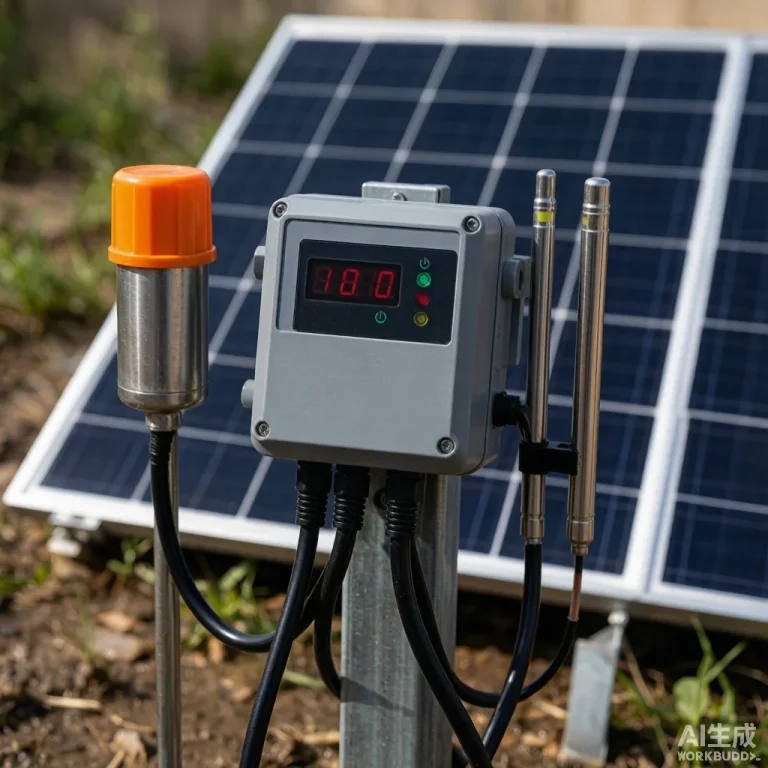
A pressure switch turns the pump on at a low setpoint and off at a high one, using the tank as the buffer between. Set the band too narrow and the pump chatters; set it too wide and pressure swings annoyingly. A common starting band is roughly 1.5 to 3 bar, tuned to the fixtures served. For the upstream sizing math, see our guide on how to configure solar panels for water pumps so the array can actually sustain the pump through the band.
Common Issues and Fixes
- Waterlogging: a failed tank air charge lets water fill the whole tank, killing the cushion. Recharge the air or replace the bladder.
- Rapid cycling: usually a too-small tank or a too-narrow switch band; enlarge the tank or widen the band.
- Pressure too low at far taps: check pipe diameter and elevation; friction and lift quietly steal pressure.
- Switch chatter: confirm the tank pre-charge matches roughly the switch cut-in pressure.
The payoff is a system that feels like mains pressure but runs free from the sun, which is exactly what convinces households and farms to stay on solar.
Frequently Asked Questions
Do I need a pressure tank for every solar pump?
Not always. Direct tank filling and gravity delivery need no pressure tank, but taps, sprinklers, and household plumbing do.
What size tank is a good start?
Enough to cover your largest typical draw between solar peaks; a too-small tank causes rapid pump cycling.
Why does my tank lose pressure overnight?
Likely a waterlogged bladder or a leak; recharge the air charge and check fittings.
Can the controller manage the pressure switch?
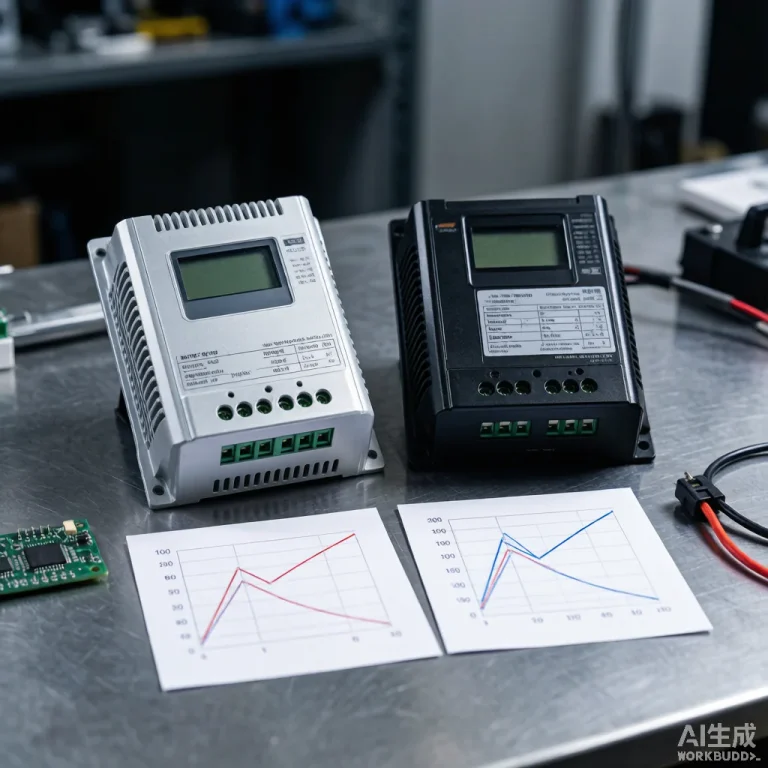
Yes. KINBO controllers work with standard pressure-switch setups to start and stop the pump on setpoints.
For B2B buyers specifying pressure tanks and pressurization for solar pumping, contact KINBO for competitive FOB pricing and technical specifications.
Related Articles
- How to Choose Solar Pump Pipe and Fittings
- Solar Pump for Drip Irrigation Systems
- Explore KINBO Built-in Controller Solar Pumps