How to Choose the Right Solar Pump Pipe and Fittings: Diameter, Material and Head Loss Explained
Introduction
Pipe is the silent thief of pump performance. The wrong diameter or material adds friction that quietly steals head and flow, so a well-sized pump under-delivers. Choosing the right solar pump pipe and fittings is as important as choosing the pump itself. KINBO sees undersized pipe as one of the most common, most fixable field problems.
Table of Contents
Understanding Head Loss
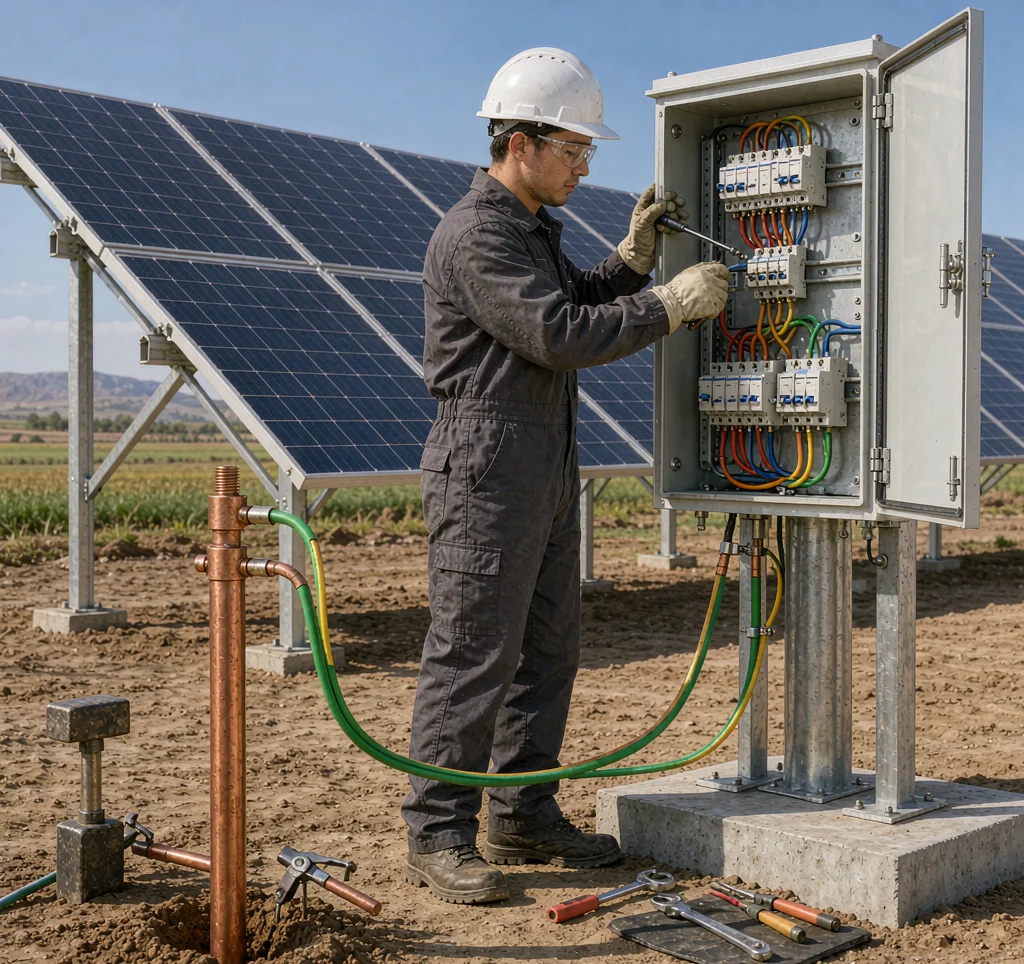
Total head is the elevation the water must reach plus the friction it fights on the way. Friction loss grows with flow and, crucially, with small diameter: halve the pipe diameter and loss can rise by roughly four to sixteen times depending on flow. That is why a pump that tests fine in the workshop can disappoint in the field on a long, narrow line.
Why Diameter Dominates
Bigger pipe costs more up front but pays back in delivered flow and lower pump strain. A practical approach is to pick the smallest diameter that keeps friction loss within a sensible budget, say under 10 to 15 percent of total head, then round up one size for safety. For long runs, the extra diameter is almost always worth it.
| Factor | Effect on performance |
|---|---|
| Small diameter | High friction, lower flow, hotter pump |
| Large diameter | Low loss, steady flow, higher cost |
| Long run | Loss accumulates; size up |
| High flow | Loss rises sharply; diameter critical |
Choosing Material
For buried or pressurized mains, UV-stable PVC or HDPE is common and economical; for above-ground sunny runs, use pipe rated for heat and sun, or shield it. Avoid mixing metals that cause galvanic corrosion, and match the rating to the system pressure. For the pump side of the equation, our solar water pump selection guide helps you start from flow and head before sizing pipe. A common false economy is buying thin pipe to save upfront, then losing flow and stressing the pump for years. The price gap between one size up and one size down is small next to the lifetime cost of a strained system.
Fittings and Layout Tips
- Minimize elbows and valves; each one is a small loss and a future leak point.
- Use gradual bends rather than sharp 90-degree turns on long runs.
- Support and anchor buried lines to avoid movement and joint stress.
- Add a drain or blow-out point in freezing climates.
Good piping is invisible when it works and expensive when it fails. A little extra diameter and clean layout is the cheapest insurance in the whole system.
Frequently Asked Questions
Does pipe diameter really matter that much?
Yes. Friction loss rises steeply as diameter drops, so undersized pipe can cut delivered flow substantially.
Which material is best for solar pump lines?
UV-stable PVC or HDPE for buried mains; sun-rated pipe or shielding for exposed runs.
How do I estimate friction loss?
Use a friction chart for your pipe type at the target flow, then keep total loss under about 10 to 15 percent of head.
Should fittings be minimized?
Yes. Each elbow and valve adds loss and a possible leak; use gradual bends and fewer joints.
For B2B buyers sizing piping and fittings for solar pumping systems, contact KINBO for competitive FOB pricing and technical specifications.
Related Articles
- Solar Pump Pressure Tanks and Pressurization
- How to Size a Solar Water Pump for Deep Borewells
- Explore KINBO Solar Submersible Pumps