Solar Pump Battery Backup vs Direct Solar: When to Add Storage and How It Changes System Design
Introduction
Most solar pumping runs straight from the array to the pump, with no battery at all. But some sites need water after sunset or through long cloudy spells, and that is where storage enters the picture. Choosing between solar pump battery backup vs direct solar is a design decision, not an upgrade everyone needs. KINBO builds both direct-drive and hybrid-ready controllers so the choice follows the duty, not the catalog.
Table of Contents
How Direct Solar Pumping Works
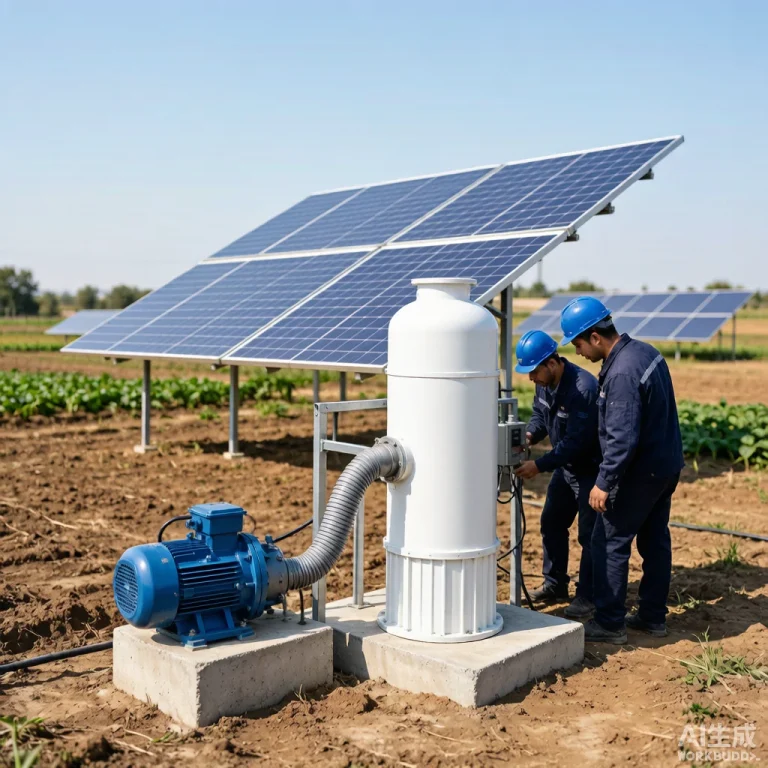
In a direct (battery-free) system the panels feed an MPPT controller that drives the pump only when the sun is up. Water is stored in a tank, and gravity or pressure from that tank serves demand through the night. This is the leanest, cheapest, and most reliable topology because there are fewest components to fail: panels, controller, pump, and tank.
For daytime irrigation, livestock, and village supply, direct solar is usually the right answer. The marginal cost of an extra hour of pumping is essentially zero, and there is no battery to age, vent, or replace. The only constraint is that pumping stops when the sun does, which is fine if the tank is sized to cover the dark hours.
When Battery Backup Makes Sense
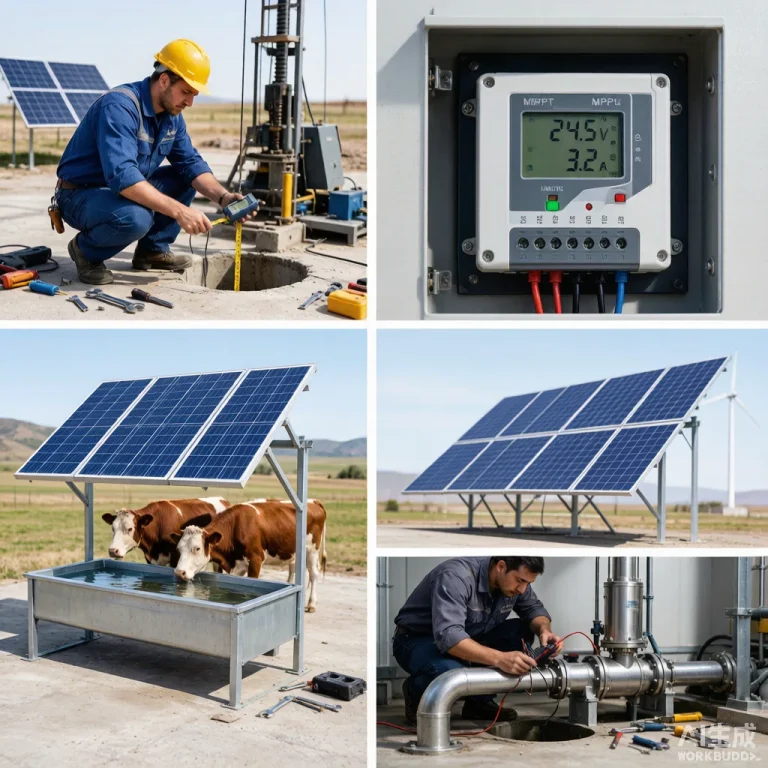
Battery backup earns its place when water must move at night, when cloudy-season reliability is critical, or when a single cloudy day would cause crop loss or a supply outage. A battery-backed system adds a charge controller, a battery bank, and an inverter stage so the pump can run from stored energy after dark or during weak sun.
| Factor | Direct solar | Battery backup |
|---|---|---|
| Capital cost | Lower | Higher |
| Night pumping | No (tank only) | Yes |
| Maintenance | Minimal | Battery care needed |
| Lifespan limit | Panels/electronics | Battery cycles |
How Storage Changes the Design
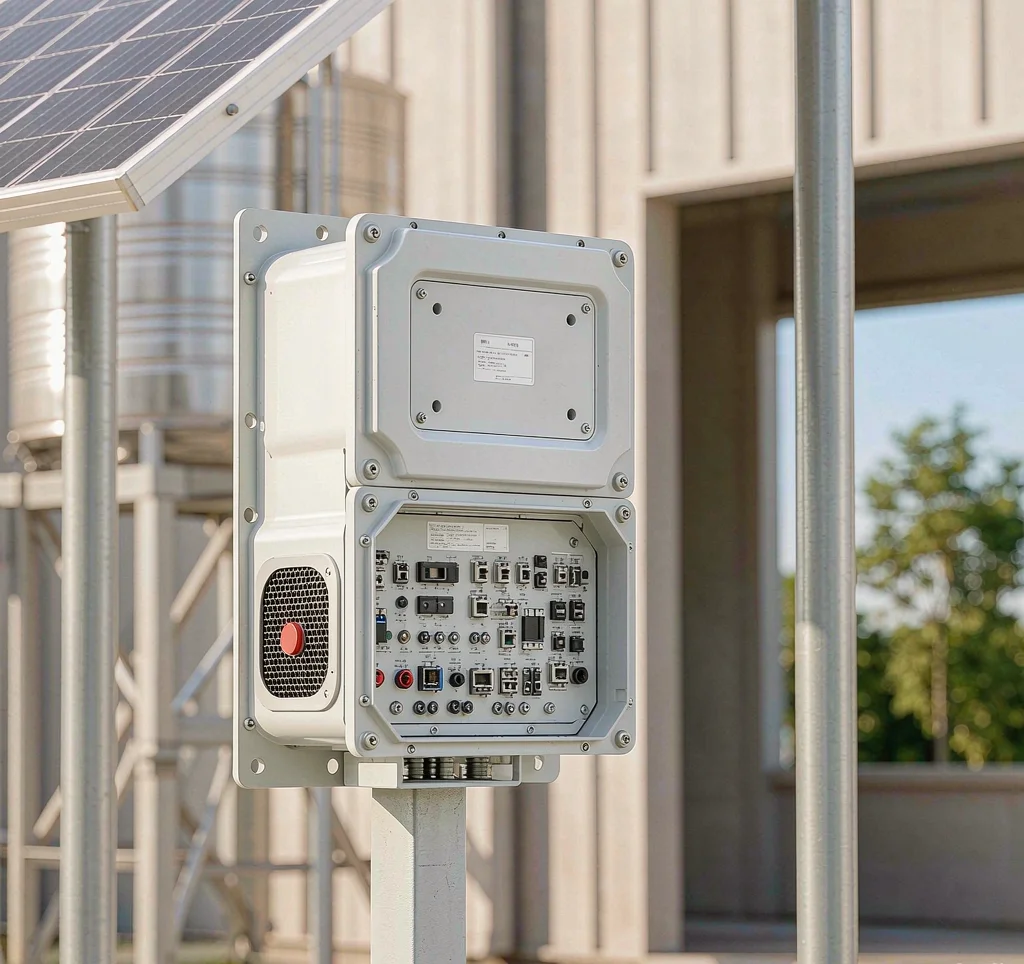
Adding a battery changes more than the bill of materials. The array must be sized larger to both run the pump and charge the bank, the controller becomes a hybrid charger-inverter, and the system needs protection, ventilation, and periodic battery health checks. Oversizing the bank for autonomy is the usual mistake: every extra day of storage multiplies cost and weight, so most designs target one cloudy day plus evening use rather than a week.
Hybrid controllers that accept solar, battery, and even grid or generator input give the most flexibility, but they also introduce more settings to tune. For the maintenance side of these systems, review our solar pump maintenance guide before commissioning.
A Simple Decision Rule
- If demand is daytime and a tank can bridge the night: choose direct solar.
- If water is needed after dark or a single bad day is unacceptable: add a battery, sized for one day of autonomy.
- If the site already has grid or generator occasionally: a hybrid input may beat a big battery.
The right answer is rarely “always battery.” It is the smallest storage that removes the real risk, paired with a tank that already does most of the buffering for free.
Frequently Asked Questions
Do I need a battery for nighttime water?
Only if you must pump at night. A properly sized tank serves nighttime demand from daytime pumping without any battery.
Does battery backup double the cost?
Not usually, but it adds a meaningful premium: extra array, charge controller, inverter stage, and the battery itself plus its maintenance.
Can I add batteries later to a direct system?
If the controller is hybrid-ready, yes. Otherwise you would replace the controller with a charge-and-invert unit.
How big a battery do I need?
Size for the worst realistic gap, typically one cloudy day plus evening use, not a full week of autonomy.
For B2B buyers specifying direct or battery-backed solar pumping systems, contact KINBO for competitive FOB pricing and technical specifications.
Related Articles
- How to Size a Solar Water Pump for Deep Borewells
- Solar Pump Float Switches and Water Level Control
- Explore KINBO Built-in Controller Solar Pumps