Solar Water Pump Preventive Maintenance Checklist: Extend System Life and Avoid Costly Downtime
Introduction
A solar water pump is a long-life asset, but only if it is looked after. Dust, loose connectors and a clogged intake cause most failures that a short preventive routine would have caught. KINBO recommends a simple schedule covering panels, wiring, pump, intake and controller. This article gives a practical maintenance checklist, explains what to inspect each season, and shows how to read early warning signs before they become breakdowns.
Table of Contents
Annual and Seasonal Schedule
Split maintenance into quick monthly looks and a thorough seasonal service. Before the dry-season peak, do the full check so the system is ready for maximum duty. After the rainy season, clear debris and re-tension any supports.
Keep a logbook of each visit with dates, pressures and any faults. Trending this data predicts wear – a slowly falling flow points to a developing intake or panel issue long before a hard failure.
Operators who follow the pump selection guide also find maintenance easier, because a correctly sized unit runs inside its comfort zone.
| Frequency | Key checks |
|---|---|
| Monthly | Visual panel wipe, intake strainer, fault-log scan |
| Seasonal | Full service, voltage check, enclosure, grounding |
A simple cadence like this catches most issues before they interrupt water supply.
Panel and Wiring Care
Panels lose output to dust, bird droppings and shading. Wipe them with water and a soft brush each dry month in dusty areas; even a thin film can cut yield by double digits. Check frames are secure against wind.
- Inspect connectors for corrosion and tightness.
- Verify the open-circuit voltage matches the controller window.
- Look for rodent or UV damage on exposed cable.
Good panel care is the cheapest performance insurance on the whole system, since every watt lost here is water not pumped.
Pump and Intake Care
The intake is the most common clog point. Fit a strainer and clean it regularly, especially in algae-prone or silty sources. A blocked intake makes the pump work harder and trips protection.
For submersible units, avoid running dry – dry-run protection helps, but a falling water table still needs attention. Listen for unusual noise or vibration that signals bearing wear.
Where water quality is poor, pair the supply with a drinking water solution so filtration and pumping are maintained together.
Controller and Protection Checks
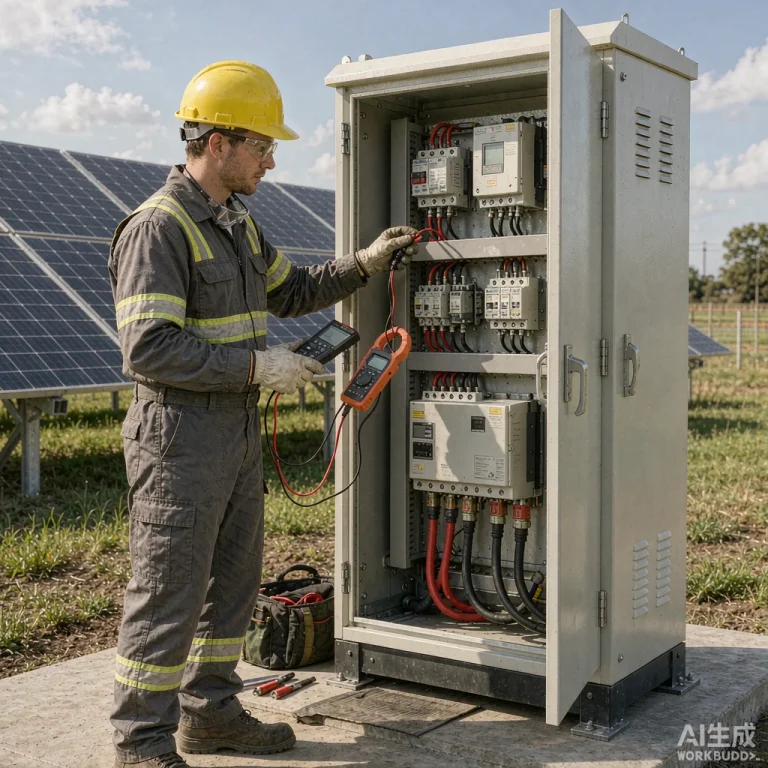
The controller is the brain. Confirm MPPT tracking, voltage window and protection settings during service; a quick controller settings review keeps parameters aligned with the real array.
Check the enclosure is dry and ventilated, and that fault logs show no recurring trips. A single persistent fault code is an early warning worth acting on, not ignoring.
Tighten terminals and confirm the grounding is intact, since lightning and surges are a leading cause of controller failure in open terrain.
Troubleshooting Early Warnings
Learn the difference between a one-off brownout and a trend. If flow drops gradually, suspect a dirty panel, partial shading or a clogging intake before assuming electronics failure.
No-start cases usually trace to the voltage window or a dry-run trip rather than a dead pump. Read the fault log, measure panel voltage under load, and clear the cause before resetting.
KINBO documents fault codes per model so field staff can resolve most issues without a service call, keeping downtime to hours instead of days.
Frequently Asked Questions
How often should I maintain a solar water pump?
Do a quick monthly visual check and a thorough seasonal service before the peak dry period; log every visit so trends in flow or voltage reveal wear early.
What is the most common cause of solar pump failure?
Clogged intakes and dirty panels cause most avoidable failures; both are caught by a simple routine of strainer cleaning and periodic panel washing.
Do I need to service the controller?
Yes. Verify MPPT, voltage window and protection settings, keep the enclosure dry, and review fault logs so recurring trips are fixed before they become breakdowns.
Why keep a maintenance logbook?
A logbook trends flow, pressure and voltage over time, turning gradual declines into early warnings that prevent costly, sudden downtime.
For B2B buyers solar pump maintenance, contact KINBO for competitive FOB pricing and technical specifications.
Related Articles
- Solar Pump Controller Settings: MPPT, Voltage, Protection and How to Configure Your System Correctly
- Solar Pump Head Calculation: How to Size Static Lift, Friction Loss and Total Dynamic Head Correctly
- Explore KINBO Built-in Controller Solar Pumps