Solar Pump Parallel Operation and N+1 Redundancy: Designing Fail-Safe Water Supply Systems
Introduction
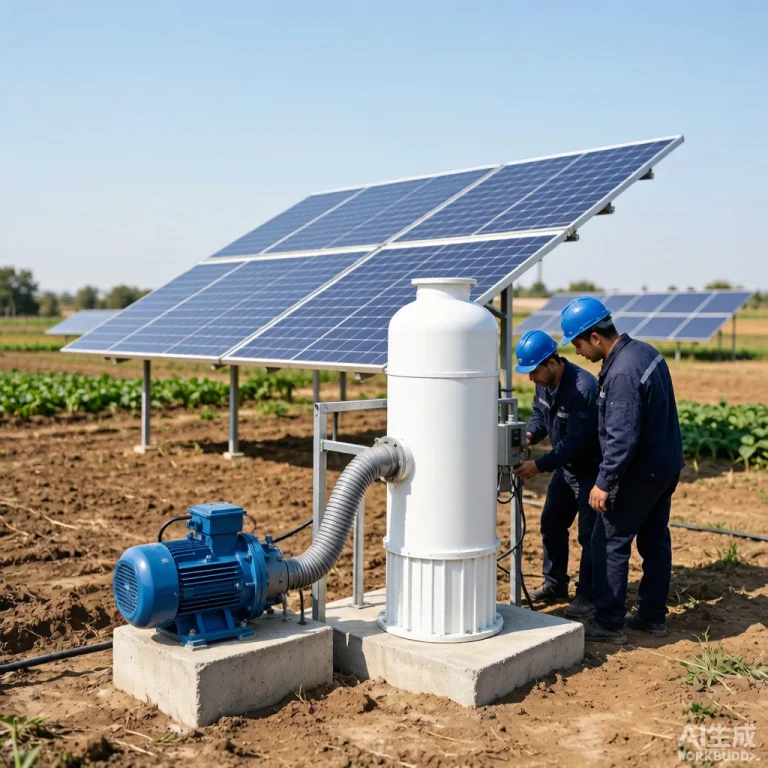
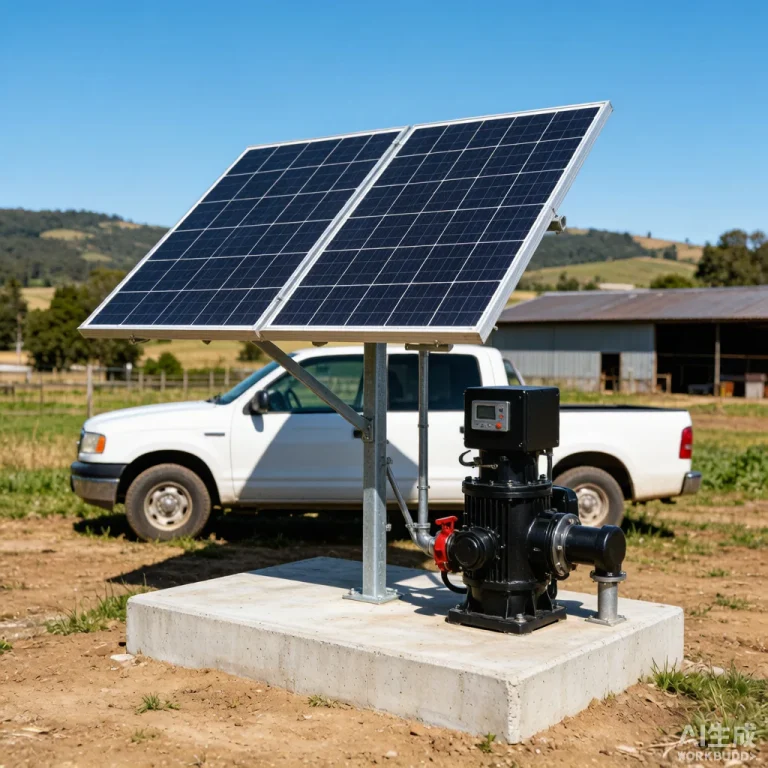
When a water supply is critical — a dairy herd, a village well, a process cooling loop — a single pump is a single point of failure. That is why engineers increasingly turn to solar pump parallel operation, running two or more units so that one can fail without halting supply. The most common pattern is N+1 redundancy: N pumps meet the design demand, and one extra unit stands ready to cover any outage. KINBO supplies multi-pump solar stations for exactly these scenarios, where downtime is measured in lost livestock, lost production, or lost trust. This guide covers how to size, control, and maintain parallel solar pumping systems so they deliver the resilience buyers expect.
Table of Contents

Why Redundancy Matters for Solar Water Systems
A standalone solar pump fails for predictable reasons: a controller fault, a worn mechanical seal, a blocked intake, or a cable chewed by rodents. In a single-pump layout any one of these stops all water. In a redundant layout the second unit simply carries the load while the first is serviced.
The Cost of Downtime
For a 200-cow dairy, a day without water means dehydration stress and lost milk yield; for a remote village, it means a return to hand-carried buckets. The economic case for N+1 is rarely the pump hardware itself but the avoided cost of a single outage. When specifying, weigh that outage cost against the incremental solar array and pump needed for the spare unit.
Parallel vs Standby Configuration
Two architectures dominate. In true parallel operation both pumps run simultaneously and share the duty, halving wear on each. In standby (also called duty-assist) the second pump starts only when the first cannot meet demand or fails. Each has trade-offs.
Control Strategies
Parallel layouts need a controller that balances flow and prevents one pump dead-heading. Standby layouts need reliable failure detection — usually a pressure or level sensor that triggers the backup within seconds. The right choice depends on whether you prioritise even wear (parallel) or lowest idle energy (standby).
| Attribute | Parallel (both run) | Standby (spare idle) |
|---|---|---|
| Pump wear | Shared, lower per unit | Uneven, duty pump higher |
| Energy use at low demand | Less efficient | More efficient |
| Failure response | Instant, automatic | Sensor-triggered seconds |
| Best for | Continuous high demand | Variable, critical supply |
Sizing N+1 Capacity
The golden rule: the surviving pumps after any single failure must still meet peak demand. With two equal pumps, each must be sized at 100% of demand so one alone covers the load. With three pumps (2+1), each can be 50–60% of demand.
Equal-Size vs Mixed Fleet
Equal-size pumps simplify spares and maintenance. A mixed fleet — a large duty pump plus a small backup — can cut capital cost but complicates control and inventory. For most B2B projects, identical units win on lifecycle cost. Start your selection with our solar water pump model selection guide.
Controller and Sensor Coordination
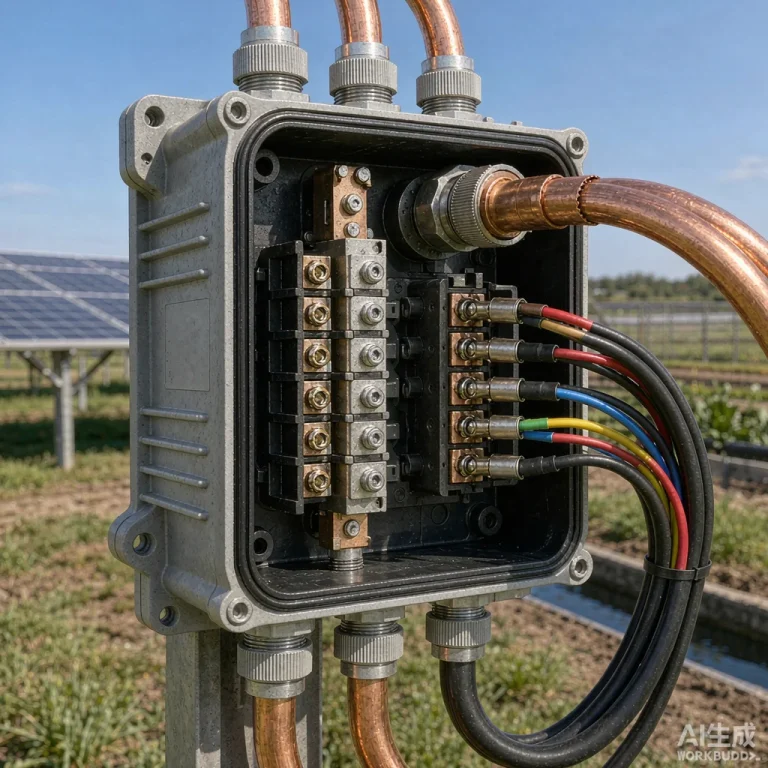
Redundancy is only as good as the control logic that orchestrates it. The system needs shared sensing — a common tank level or line pressure signal — and a controller that distributes start cycles to avoid one pump always leading.
VFD and Soft Start
Variable-frequency drives let parallel pumps share load proportionally and ramp gently, reducing water hammer and mechanical shock. KINBO controllers support rotation scheduling so runtime stays balanced across the fleet, extending the life of every unit. Proper coordination also prevents both pumps fighting for the same duty point, a classic cause of instability.
Maintenance and Testing for Redundant Pumps
A backup pump that is never exercised will fail when called upon. Redundant systems demand a discipline the single-pump world does not:
- Weekly auto-test — briefly start the standby unit to confirm it spins and primes.
- Runtime rotation — alternate lead pump so no unit sits idle for months.
- Shared intake care — clean screens on all units; a blocked common intake kills the whole station.
- Spares inventory — keep seals and sensors for the identical model on hand.
- Alarm visibility — route fault alerts to a phone so failures are caught, not discovered.
For system-wide design context, see our solar pump system design for irrigation overview.
Frequently Asked Questions
What does N+1 redundancy mean for a solar pump?
It means N pumps meet the design demand and one extra unit provides backup. If any single pump fails, the remaining N still cover the load, so supply continues without interruption.
Is parallel operation better than a standby spare?
Parallel sharing wears pumps evenly and responds instantly to failure, but uses more energy at low demand. Standby is more efficient when demand is variable and the priority is critical continuous supply.
How do I size pumps for N+1?
Ensure the surviving pumps after one failure meet peak demand. With two pumps, each at 100% of demand; with three (2+1), each at roughly 50–60%.
Do redundant pumps need special controllers?
Yes. You need shared level or pressure sensing and logic that balances runtimes and detects failure fast. VFDs help parallel units share load smoothly and reduce mechanical stress.
Conclusion
Solar pump parallel operation and N+1 redundancy transform a fragile single point of failure into a resilient, self-healing water supply. The principles are straightforward: size the survivors to cover peak demand, choose the architecture that fits your duty profile, coordinate the controllers, and discipline the maintenance so the spare is always ready. Done well, the redundant station pays for its modest extra cost the first time a pump fails on a day when water could not wait.
For B2B buyers designing fail-safe solar water systems, contact KINBO for competitive FOB pricing and technical specifications.