Solar Water Pump Procurement in International Tenders: How NGOs and Governments Select Suppliers
Introduction
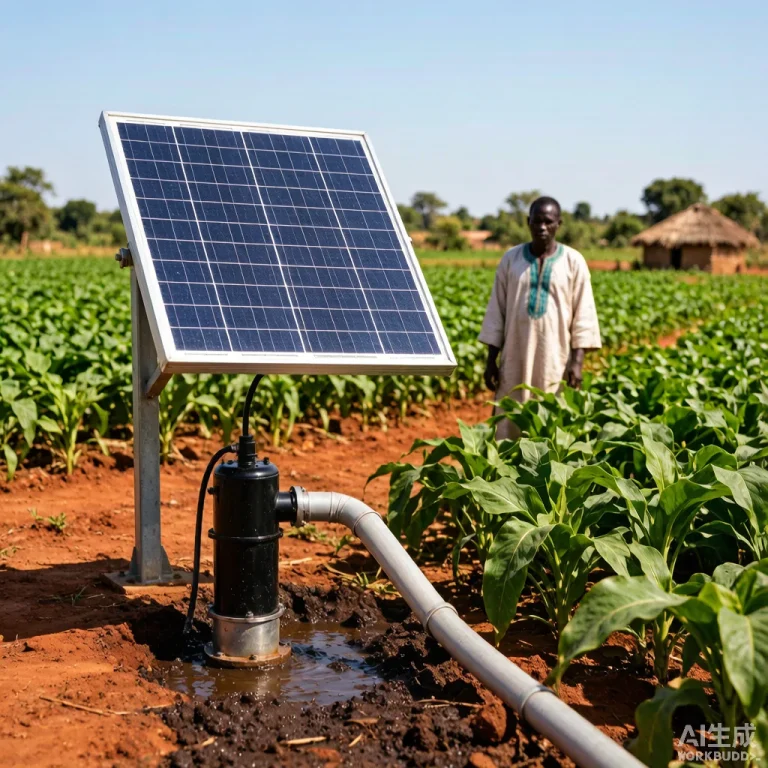
Solar water pump procurement has become the default delivery mechanism for rural water access programs across Africa, Asia and Latin America, with multilateral lenders and government ministries awarding the bulk of volume through formal competitive tenders. For B2B buyers and engineering firms preparing bids, understanding how evaluation committees actually shortlist suppliers is the difference between a won contract and a discarded proposal. Manufacturers such as KINBO have adapted their entire documentation, certification and after-sales workflow to the realities of international tender evaluation, because technical price alone rarely wins these projects. This guide walks through the criteria that NGOs, development banks and public utilities apply when selecting solar pumping equipment and the partners who supply it.
Table of Contents
Why International Tenders Dominate Rural Water Spending
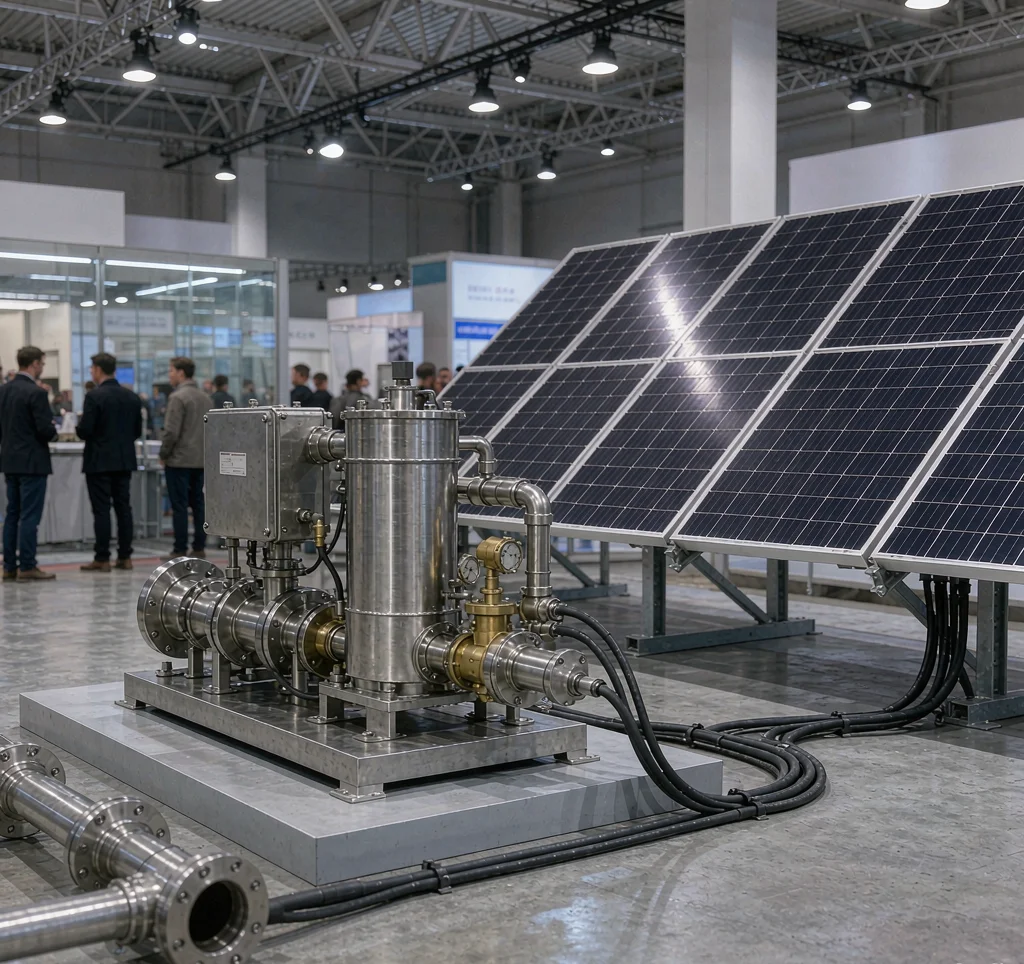
Most large-scale solar pumping deployments are not procured through open retail or distributor catalogs but through structured tenders issued by ministries of water, public utilities and non-governmental organizations funded by donor grants. These procedures exist to guarantee transparency, prevent corruption and ensure that public money buys equipment capable of surviving a decade of field operation. A clear understanding of the procurement architecture helps suppliers position the right evidence package.
The Role of Multilateral Funding
When a project is co-financed by institutions such as the World Bank, the African Development Bank or regional rural funds, the procurement rules are locked to international competitive bidding standards. Bidders must demonstrate not only product quality but also financial standing, past project references and local service capacity. A well-prepared supplier treats the tender as a compliance exercise first and a sales pitch second.
Core Technical Criteria Buyers Evaluate
Evaluation committees rarely test pumps physically during the bid. Instead they scrutinize the performance data, the duty-point declaration and the conformity of the offered system to the stated hydraulic requirement. A robust how to choose a solar water pump methodology protects both the buyer and the supplier from oversizing or undersizing errors that surface only after commissioning.
Flow, Head and Duty Point Verification
The single most disputed parameter is whether the offered pump genuinely delivers the required flow at the required total dynamic head under realistic solar irradiance. Committees increasingly demand third-party test reports mapped to the exact borehole or surface source. The scorecard below illustrates how a typical evaluation weights these dimensions.
| Evaluation Dimension | Minimum Requirement | Strong Bid Capability |
|---|---|---|
| Rated flow at duty head | Meets spec within ±5% | Independent lab curve provided |
| System warranty | 24 months | 36 months with spares kit |
| Local service presence | Regional agent named | Stocked warehouse in country |
| Documentation language | English or French | Bilingual with O&M manual |
Note: weighting varies by donor; the table reflects common patterns observed across sub-Saharan and South Asian rural water tenders.
Compliance, Certification and Local Content
Certifications are the gatekeeper to most public tenders. Without the right marks, even a superior pump is eliminated at the administrative threshold before technical scoring begins. Suppliers should map required certifications to each target market early, because testing and factory audits can take months.
Documentation Packages That Win Bids
A winning submission typically assembles a consistent evidence set. The following checklist is what evaluation teams expect to find in the technical envelope:
- ISO 9001 manufacturing certificate and valid audit date
- CE and relevant IEC safety test reports for the pump and controller
- Performance curves from an accredited hydraulic laboratory
- Bill of materials confirming corrosion-resistant materials for the duty fluid
- Reference list of at least three comparable installed systems
- Local content or in-country partnership letter where required
After-Sales, Spare Parts and Training
The lowest purchase price loses to a higher-priced bid when the latter proves it can keep water flowing for ten years. Committees know that a failed pump in a remote village becomes a political liability, so lifecycle support carries heavy weight in the scoring matrix.
Total Support Over the Project Lifecycle
Strong bidders propose a concrete support plan: a stocked spares kit sized for the fleet, a training module for local technicians, remote fault diagnostics via the controller, and a defined response time for field service. These elements convert a one-time product sale into a defensible, long-term partnership that tender committees reward.
How KINBO Supports Tender Submissions
KINBO maintains a dedicated tender-engineering desk that prepares duty-point calculations, bilingual operation manuals and third-party performance dossiers tailored to each call for proposals. By pre-qualifying certifications and holding regional spare-parts stock, KINBO reduces the administrative burden on distributors and EPC partners bidding large rural water programs, letting them focus on local mobilization rather than re-proving factory quality.
Frequently Asked Questions
What certifications do solar water pump tenders usually require?
Most public tenders require ISO 9001 for manufacturing and CE or IEC safety marks for the pump and controller. Donor-funded projects may add specific local standards, so suppliers should confirm the exact list in the tender’s compliance schedule before bidding.
How do buyers verify a supplier’s field performance?
Evaluation committees rely on reference installations, third-party performance curves and, increasingly, remote monitoring data from comparable sites. Suppliers that can show live fleet uptime reports gain a decisive credibility advantage over paper-only claims.
Why is local spare-parts availability critical in tenders?
A pump without available seals, controllers or cables becomes non-functional the moment a component fails in a remote area. Tenders score in-country spares stock and trained technicians highly because they directly determine long-term system availability.
Can a manufacturer support bilingual documentation for NGO projects?
Yes. Leading suppliers prepare bilingual operation and maintenance manuals, often in English paired with French, Arabic or Spanish, together with labeled schematics that local teams can follow without external engineering support.
Conclusion
Winning solar water pump procurement in international tenders is less about beating a price floor and more about proving reliability, compliance and lifecycle support through disciplined documentation. Suppliers that invest early in certifications, performance evidence and local service capacity consistently outrank cheaper but thinner bids. For B2B buyers managing competitive programs, the evaluation scorecard in this article is a practical template for shortlisting partners who will still be supporting the system long after commissioning.
For B2B buyers preparing tender submissions or distributor partnerships, contact KINBO for competitive FOB pricing, certification dossiers and technical support.