The Future of Solar Water Pumping: IoT, Remote Monitoring, and Smart Agriculture Integration
Introduction
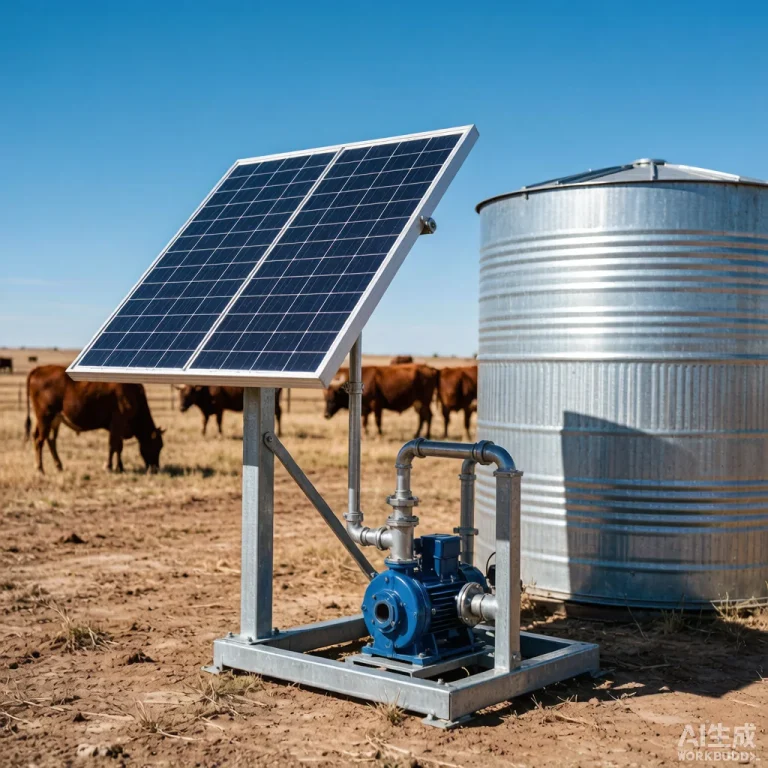
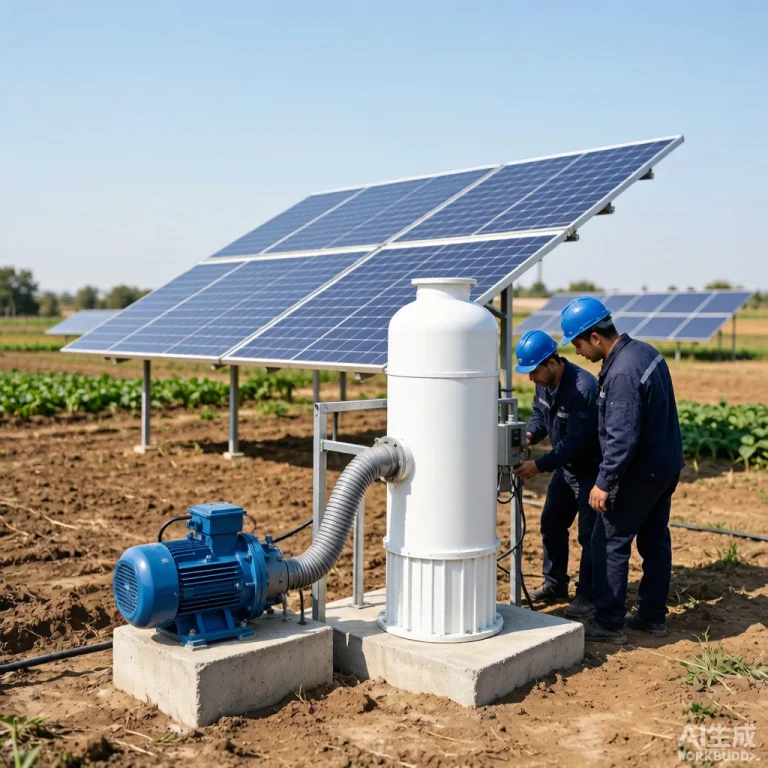
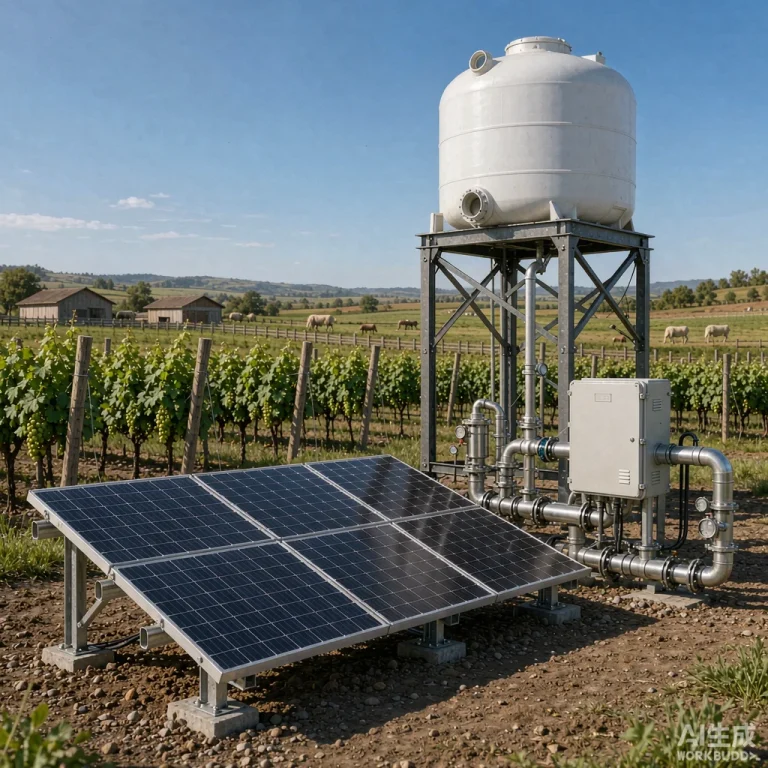
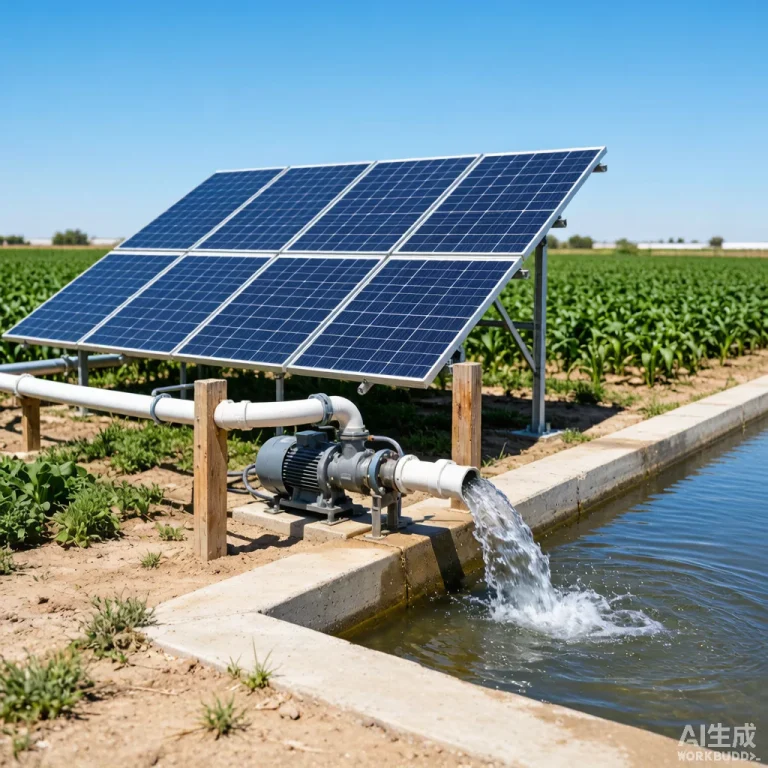
The solar water pump industry is entering its most transformative decade. IoT connectivity, artificial intelligence, and precision agriculture technologies are converging to create intelligent pumping systems that optimize water delivery autonomously, predict maintenance needs before failures occur, and integrate with farm management platforms. For B2B buyers, understanding these technology trends is not about chasing novelty—it is about making procurement decisions today that position operations for the capabilities of tomorrow. KINBO is actively developing smart pump controllers with integrated IoT capability for next-generation solar pumping systems.
Table of Contents
IoT and Remote Monitoring
GSM/GPRS-based pump monitoring is already mainstream, but the next generation of narrowband IoT (NB-IoT) and LoRaWAN connectivity is transforming what is possible. NB-IoT modules costing under $15 enable pump controllers to transmit flow rate, voltage, current, water level, and fault status data to cloud platforms every 15 minutes—on a battery that lasts 5+ years. For fleet operators managing hundreds of pumps, cloud dashboards aggregate performance data across all sites, flagging anomalies automatically. A pump drawing 10% more current than its baseline at the same flow rate triggers an automated work order for bearing inspection—weeks before the operator would notice any performance degradation. This shift from reactive to predictive maintenance is reducing fleet downtime by 40-60% in early adopter deployments.
AI-Powered Predictive Maintenance
Machine learning models trained on thousands of pump-years of operational data can now predict bearing failure 2-3 months in advance, impeller wear 4-6 weeks before performance degradation becomes apparent, and motor winding insulation breakdown based on subtle changes in current signature. The algorithms require no additional sensors beyond those already present in modern pump controllers—they work by detecting patterns in voltage, current, and power data that are invisible to human operators. A 2025 pilot program across 500 solar pumps in Kenya demonstrated that AI-based predictive maintenance reduced unplanned downtime by 62% and extended average pump service life by 1.8 years compared to calendar-based maintenance schedules.
Integration with Smart Agriculture
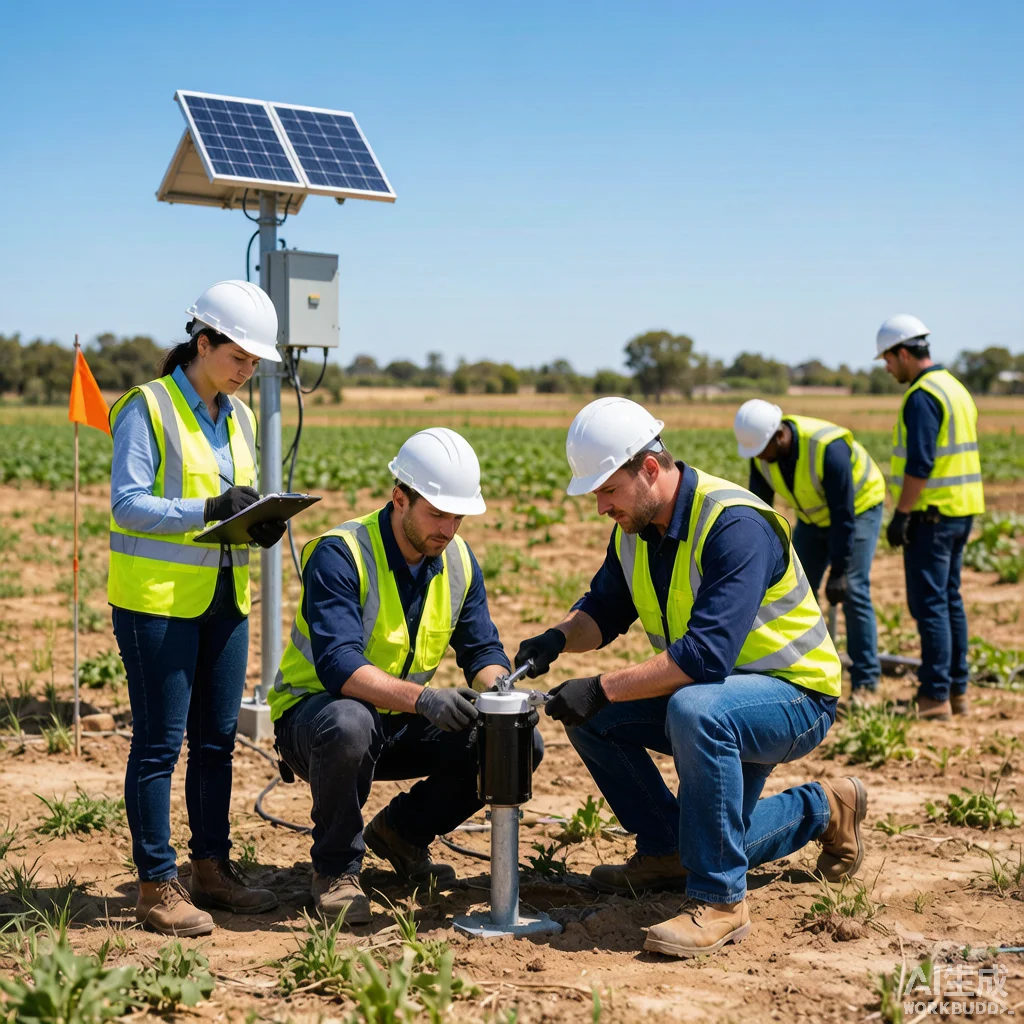
Solar pumps are becoming nodes in broader precision agriculture networks. Soil moisture sensors communicating with the pump controller via LoRaWAN enable automated irrigation scheduling—the pump activates only when soil moisture drops below crop-specific thresholds, eliminating both over-watering and water stress. Weather forecast integration allows the controller to defer irrigation if rain is predicted within 24 hours. Satellite-derived evapotranspiration data provides field-level water demand estimates that the pump controller uses to optimize daily runtime. These integrations require pumps with open communication protocols (Modbus RTU/TCP, CAN bus) rather than proprietary closed systems—an important specification consideration for forward-looking procurement. See our irrigation solutions page for current KINBO smart farming integrations.
Market Outlook 2026-2030
| Trend | 2026 Status | 2030 Projection |
|---|---|---|
| IoT-Connected Pumps (% of new sales) | 15-20% | 60-70% |
| AI Maintenance Adoption (large fleets) | 5-10% | 40-50% |
| Smart Agriculture Integration | Pilot phase | Mainstream (30%+ of ag pumps) |
| IoT Module Cost (per pump) | $25-50 | $8-15 |
Frequently Asked Questions
Q: Should I buy IoT-ready pumps now or wait for the technology to mature?
A: Buy pumps with open communication protocol support (Modbus, CAN bus) now, even if you don’t immediately deploy IoT. The hardware cost premium is typically $30-80 per pump—negligible compared to the $500-1,500 cost of retrofitting communication capability later. Connectivity modules can be added when your operations are ready for fleet management.
Q: What connectivity option works best for remote agricultural sites?
A: NB-IoT where cellular coverage exists (most agricultural areas within 30km of towns). LoRaWAN for sites beyond cellular range—it requires a gateway within 10-15km line-of-sight, but gateways can serve hundreds of pumps. Satellite IoT (Swarm, Astrocast) for truly remote sites, though at higher per-message cost.
Q: Will AI maintenance eliminate the need for human technicians?
A: No—it changes their role from reactive repair to planned intervention. AI predicts when and what will fail; technicians execute the recommended maintenance during scheduled windows rather than responding to emergencies. The number of technicians needed doesn’t decrease, but their productivity and the system uptime they deliver improve dramatically.
For B2B buyers interested in IoT-enabled solar pump solutions and smart agriculture integration, contact KINBO for smart pump specifications and pilot program opportunities.
Related Articles