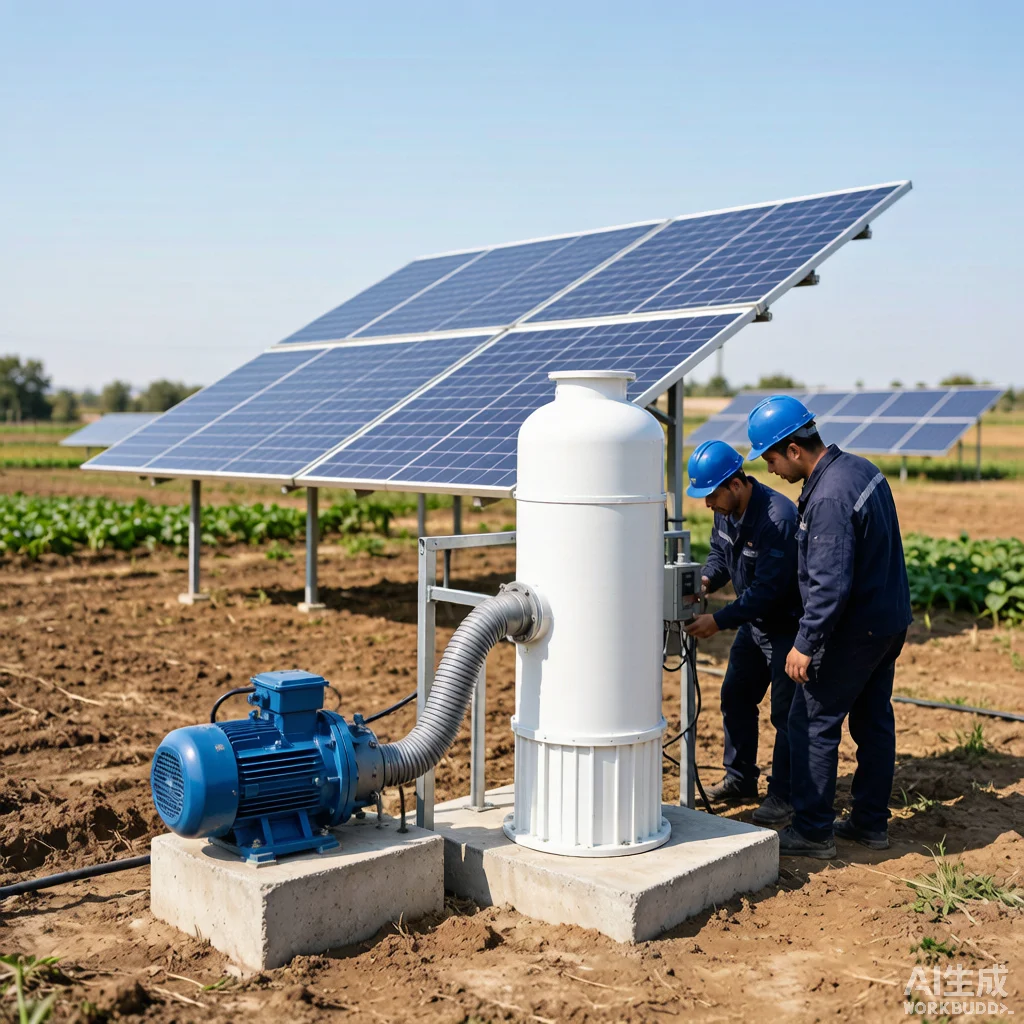
Central Asia Solar Pump Market Opportunities and Challenges
Introduction
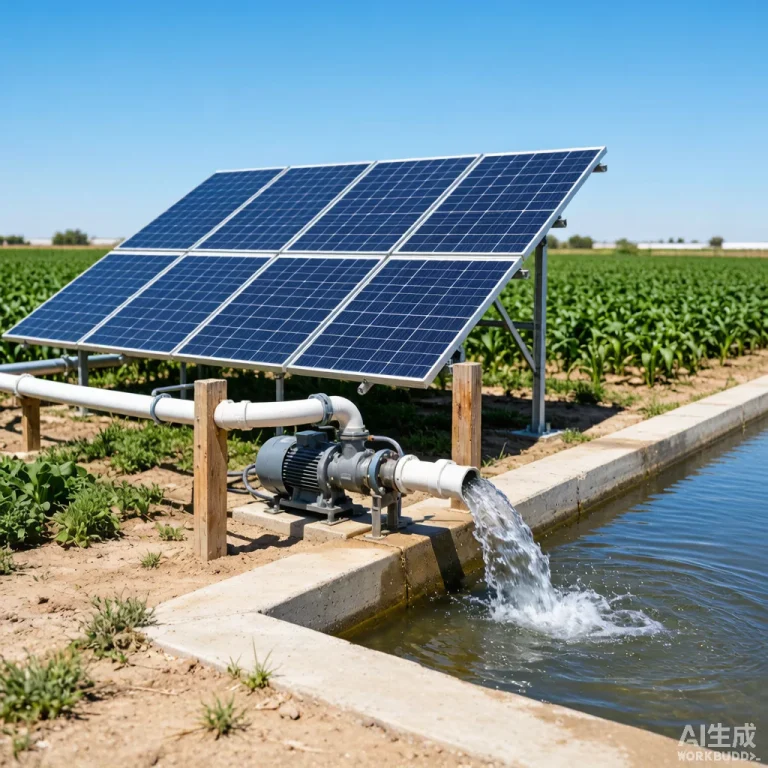
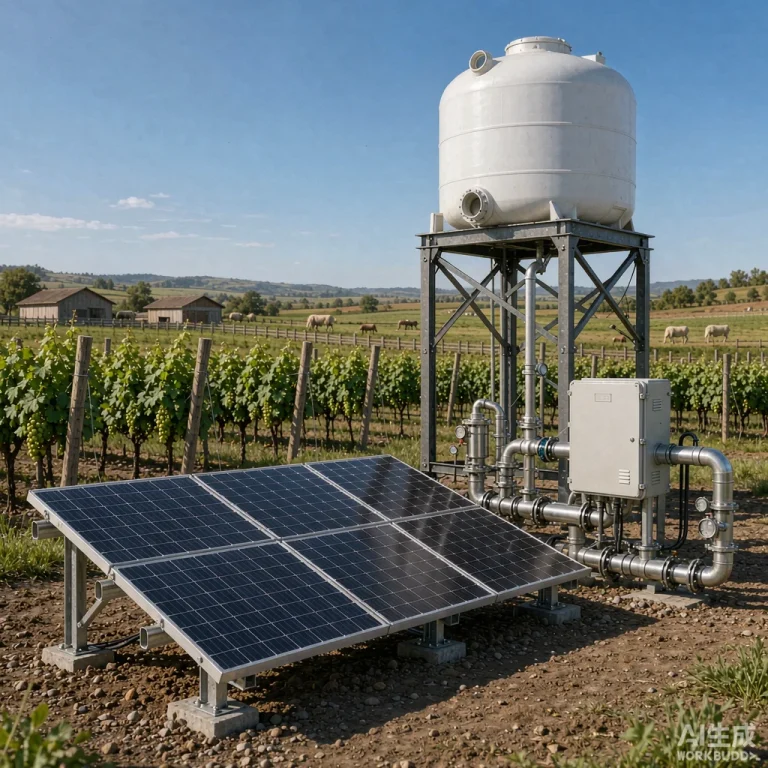
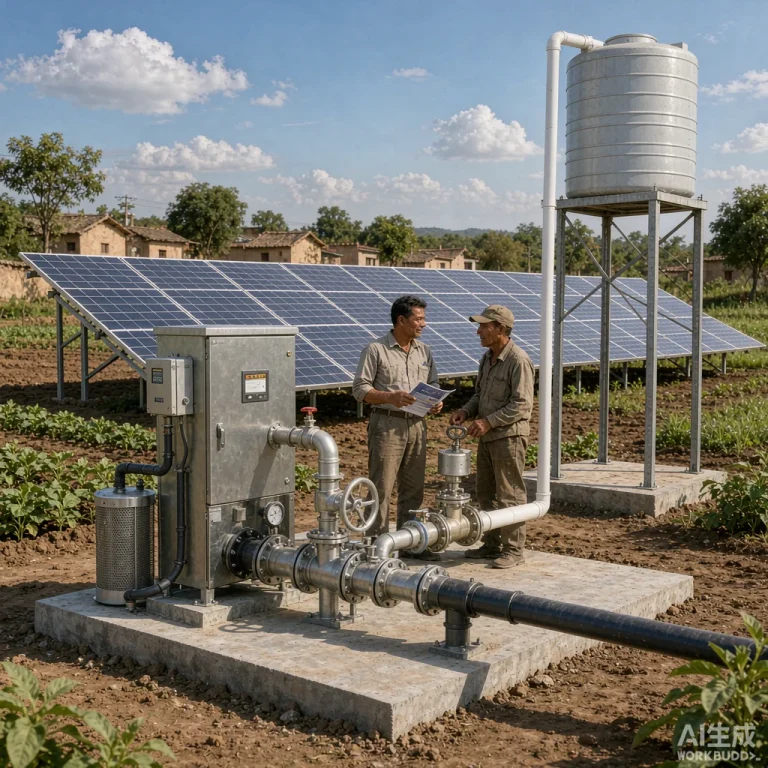
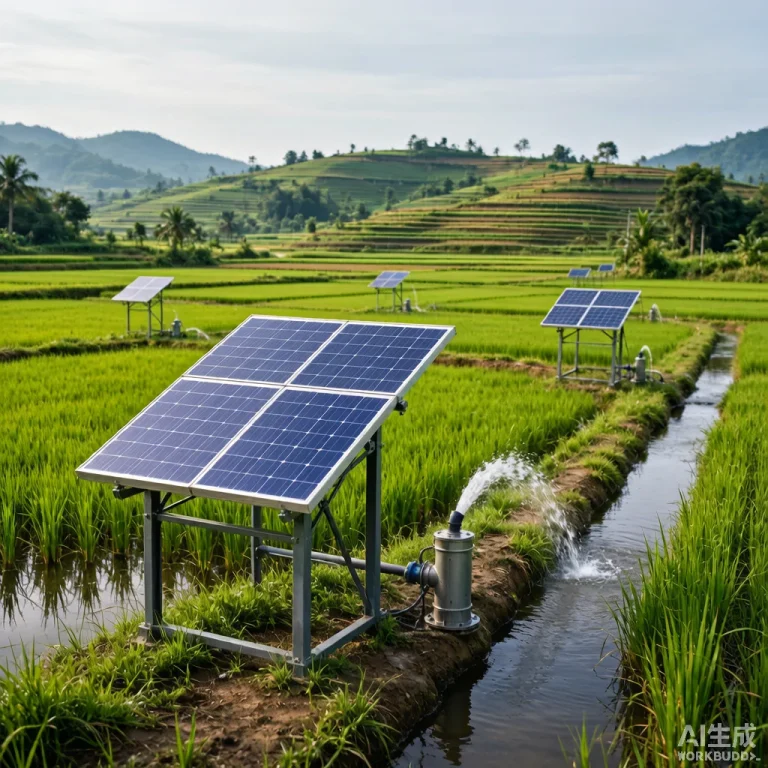
Central Asia’s solar pump market represents one of the most promising yet operationally demanding growth frontiers for the global solar water pumping industry. The region — encompassing Kazakhstan, Uzbekistan, Kyrgyzstan, Tajikistan, Turkmenistan, and to a lesser extent Mongolia — contains approximately 35 million hectares of agricultural land, much of which relies on irrigation to compensate for arid and semi-arid climatic conditions with annual precipitation averaging 200-400 mm. Cotton, wheat, and increasingly horticultural crops dominate the agricultural landscape, creating a substantial and seasonally concentrated demand for reliable water lifting. Until recently, this demand was met almost exclusively by grid-connected electric pumps inherited from Soviet-era irrigation infrastructure and diesel pumps in areas beyond the grid. However, aging infrastructure, unreliable electricity supply in rural areas, and government policies promoting renewable energy have created a rapidly expanding addressable market for solar pumping solutions. KINBO has identified Central Asia as a strategic growth market, with particular focus on Kazakhstan’s agricultural modernization program and Uzbekistan’s water sector reform initiatives. This article provides B2B market intelligence on the Central Asian agricultural water landscape, quantifies market size and growth projections, maps key distribution channels, and analyzes the technical challenges unique to the region — including extreme temperature operation and variable groundwater quality — that determine equipment specification and supplier selection.
Table of Contents
Central Asian Agricultural Water Landscape
The agricultural water demand profile in Central Asia is shaped by three interconnected factors: the legacy of Soviet-era irrigation infrastructure, the ongoing restructuring of land tenure systems, and the region’s inherent water scarcity. Kazakhstan and Uzbekistan alone account for approximately 80% of the region’s irrigated area, with Kazakhstan’s 2.1 million hectares and Uzbekistan’s 4.3 million hectares of irrigated land representing both the largest aggregate demand and the most diversified crop mix. Cotton remains the dominant irrigated crop in Uzbekistan and Turkmenistan, consuming 60-70% of irrigation water in these countries, while Kazakhstan’s agricultural sector has diversified significantly since the 1990s into wheat, oilseeds, and fodder crops.
The critical market driver for solar pumps in Central Asia is the deteriorating condition of existing pumping infrastructure. In Uzbekistan, an estimated 40% of the 50,000+ electric irrigation pumps installed during the Soviet period are operating beyond their design life, with pump efficiencies typically 20-30 percentage points below the rated values of modern equipment. The electricity grid that powers these pumps is equally unreliable in rural areas, with voltage fluctuations of ±15% and daily outages of 2-6 hours during the irrigation season. Kazakhstan faces a parallel challenge with its diesel-powered irrigation pumps: fuel costs have risen 3-5 times over the past decade as government fuel subsidies have been progressively reduced, making diesel pumping economically unsustainable for many mid-size farming operations.
A secondary but increasingly important driver is the expansion of horticultural production — particularly greenhouse vegetables, grapes, and stone fruits — which requires precise irrigation scheduling that diesel and grid-powered pumps cannot economically deliver due to their high variable operating costs. The transition from flood irrigation to drip and sprinkler systems, driven by government water conservation mandates and donor-funded agricultural modernization projects, further increases the compatibility of these agricultural operations with solar pumping, as modern pressurized irrigation systems require consistent pressure delivery that matches the operational characteristics of properly sized solar pump systems.
Market Size and Growth Projections
Quantifying the Central Asian solar pump market requires distinguishing between the addressable market (total agricultural pumping demand that could theoretically be served by solar) and the serviceable addressable market (the portion accessible to commercial B2B suppliers given current policy, financing, and distribution constraints). The total addressable market, measured by the number of diesel and aging electric pumps that represent replacement opportunities, is estimated at 180,000-220,000 units across the five Central Asian republics, representing a replacement value of USD 1.2-1.8 billion at current average system costs.
The serviceable addressable market is considerably smaller but growing rapidly. Current annual solar pump installations in Central Asia are estimated at 8,000-12,000 units as of 2025, concentrated primarily in Kazakhstan (approximately 45% of regional volume), Uzbekistan (30%), and Kyrgyzstan/Tajikistan (25% combined). The market has grown at a compound annual growth rate (CAGR) of 25-35% since 2020, driven by a combination of government subsidy programs, declining PV panel prices that have improved solar pumping economics, and increasing awareness among farming cooperatives of the operational cost advantages. Conservative projections suggest the market will reach 25,000-35,000 annual unit installations by 2030, representing a market value of USD 180-280 million annually at the wholesale supplier level.
Power segment distribution reveals important product strategy implications. Small-scale systems (0.5-3 HP) for individual household plots and smallholder horticulture account for approximately 40% of unit volume but only 15% of revenue, with strong price competition and low barriers to entry. Mid-range systems (5-15 HP) for cooperative farms and medium-scale commercial agriculture represent 35% of unit volume and 45% of revenue, with demand for higher technical specifications and established brand reputation. Large systems (20-50+ HP) for agricultural enterprises and municipal water supply constitute 25% of volume and 40% of revenue, with the highest barriers to entry due to the requirement for in-country engineering support, project financing, and demonstrated reliability in extreme conditions.
Key Distribution Channels
The B2B distribution landscape in Central Asia is evolving rapidly but retains characteristics of a transitional market where personal relationships, in-country presence, and localized technical support are prerequisites for commercial success. The primary distribution channel is through specialized agricultural equipment distributors, typically companies that carry complementary product lines such as drip irrigation systems, agricultural machinery, or water treatment equipment. These distributors possess the farmer relationships, regional warehouse capacity, and field service teams necessary to support solar pump sales, but most lack technical expertise in solar PV and power electronics, creating a requirement for manufacturer training and technical support.
A second important channel is through international development project implementers — typically engineering, procurement, and construction (EPC) contractors executing World Bank, Asian Development Bank (ADB), or Islamic Development Bank (IsDB) funded agricultural modernization projects. These projects typically procure solar pumps as part of integrated irrigation system packages that include canal rehabilitation, drip irrigation conversion, and water user association capacity building. The procurement process follows multilateral development bank procedures with international competitive bidding, creating opportunities for manufacturers who have registered with the relevant procurement platforms and can provide the required bid securities and performance guarantees.
The third emerging channel, particularly important in Kazakhstan, is direct procurement by large agricultural holding companies that operate 5,000-100,000+ hectares of farmland. These corporate buyers typically have in-house engineering capability and prefer to purchase directly from manufacturers, often requesting customized system configurations and negotiated multi-year supply agreements with defined pricing, delivery schedules, and service-level agreements. For KINBO and other international manufacturers, the direct corporate channel offers the advantage of larger average order values and recurring business, but requires investment in local technical sales representation and the ability to provide bank guarantees and performance bonds common to Central Asian commercial contracting.
Technical Challenges: Extreme Temperatures and Water Quality
Central Asia presents two technical challenges that distinguish its market requirements from those of tropical and subtropical regions: extreme continental temperature ranges and highly variable groundwater quality. Temperature extremes span from -40°C in northern Kazakhstan’s winter to +45°C ambient at the surface in Turkmenistan’s summer, with solar panel surface temperatures reaching 70-80°C under peak irradiation. For submersible pump motors installed at depths of 30-150 meters, the groundwater temperature is relatively stable at 8-14°C year-round, which is favorable for motor cooling but creates a thermal gradient stress on cable splices and motor lead connections that must withstand the transition from cold groundwater to hot surface ambient temperatures.
Electronic components in pump controllers and VFDs are particularly vulnerable to extreme temperatures. Standard industrial-grade components rated for -20°C to +70°C operating range are marginal for Central Asian conditions. Electrolytic capacitors — the most temperature-sensitive components in solar pump controllers — experience approximately 50% reduction in service life for every 10°C increase in operating temperature above their rated value. A controller cabinet mounted outdoors in direct sunlight in Uzbekistan can reach internal temperatures of 60-65°C, accelerating capacitor aging to the point where 5-year service life may be reduced to 2-3 years if not adequately mitigated through ventilation, sun shielding, or the use of higher-temperature-rated components. KINBO addresses this by specifying capacitors rated for 105°C (rather than industry-standard 85°C) and implementing active thermal management in controllers destined for Central Asian deployments.
Groundwater quality presents a parallel challenge. Much of Central Asia’s groundwater is characterized by high mineral content, with total dissolved solids (TDS) commonly ranging from 1,000-5,000 mg/L in the alluvial aquifers of the Syr Darya and Amu Darya basins. Sulfate concentrations exceeding 500 mg/L create conditions for sulfate-reducing bacterial activity that generates hydrogen sulfide, accelerating corrosion of ferrous pump components. Iron concentrations above 2 mg/L lead to iron oxide fouling of impeller passages and check valves. The combination of high TDS and elevated temperatures at the wellhead accelerates scaling (precipitation of calcium carbonate and calcium sulfate) on pump discharge components, which progressively restricts flow area and increases hydraulic losses. Material selection for Central Asian pumps must consequently prioritize 316 stainless steel hydraulic components, with 904L or duplex stainless steel recommended for pumps operating in TDS above 3,000 mg/L or chloride above 1,000 mg/L.
Frequently Asked Questions
Q: What are the main crops driving solar pump demand in Central Asia?
A: Cotton remains the single largest crop category driving pump demand, particularly in Uzbekistan and Turkmenistan where it accounts for over 60% of irrigated area. However, the fastest-growing demand segments are horticultural crops — greenhouse vegetables (tomatoes, cucumbers, peppers), table grapes, stone fruits (apricots, peaches), and almonds — where the value of reliable irrigation is highest relative to input costs. Kazakhstan’s northern grain belt has limited irrigation demand, but the southern regions (Almaty, Turkistan, Zhambyl oblasts) have significant irrigated areas for sugar beets, oilseeds, and fodder crops. The modernization of Soviet-era collective farms into commercially operated agricultural enterprises is shifting the crop mix toward higher-value crops that justify investment in modern irrigation and pumping equipment. For B2B suppliers, marketing efforts should be segmented: smallholder horticulture in Kyrgyzstan and Tajikistan is best reached through agricultural input dealers and NGO programs, while large-scale cotton and grain operations in Kazakhstan and Uzbekistan require direct engagement with agricultural holding companies and participation in government tender processes.
Q: How do logistics and transportation affect equipment delivery to Central Asian markets?
A: Central Asia’s landlocked geography creates significant logistics challenges that directly impact landed equipment costs and delivery lead times. The primary supply routes for solar pump equipment manufactured in East Asia are either sea freight to the Port of Lianyungang (China) followed by rail freight via the China-Kazakhstan railway corridor (transit time 15-25 days from Shanghai to Almaty), or sea freight to Bandar Abbas (Iran) or Poti (Georgia) with onward truck transport to Turkmenistan or western Kazakhstan (transit time 30-45 days). Rail freight costs via the China-Central Asia route typically add USD 0.15-0.30 per kilogram to equipment costs, representing 5-8% of the total landed cost for a complete pump system. Customs clearance at Central Asian borders can add 3-15 days of delay depending on documentation completeness and the specific border crossing point. Equipment destined for Tajikistan and Kyrgyzstan faces additional challenges from mountainous terrain, with road transport costs per kilometer being 2-3 times higher than in flat terrain. For B2B suppliers, maintaining buffer stock in a regional warehouse — most commonly in Almaty (Kazakhstan) or Tashkent (Uzbekistan) — is the most effective strategy for reducing delivery lead times and mitigating customs clearance risk.
Q: What is the competitive landscape for solar pumps in Central Asia?
A: The Central Asian solar pump market is in a transition phase from a price-sensitive market dominated by Chinese manufacturers toward a more segmented market where mid-range international brands are gaining share. Currently, Chinese manufacturers (including major brands such as Lorentz-competitive alternatives and numerous smaller manufacturers) account for approximately 65-70% of unit volume, competing primarily on price with systems priced 20-35% below comparable international brands. European manufacturers (Grundfos, Lorentz) hold approximately 15% of market share concentrated in the premium segment serving international development projects, corporate farms, and municipal applications where brand reputation and proven reliability command a price premium. The remaining 15-20% is served by regional assemblers in Kazakhstan and Uzbekistan that source components from multiple suppliers. The key competitive differentiator for international brands entering or expanding in this market is not price — where Chinese competitors have a structural advantage — but rather the combination of technical suitability for local conditions (temperature-hardened electronics, corrosion-resistant materials), availability of local after-sales service, and the ability to provide performance guarantees and bank instruments required for participation in larger tenders. KINBO positions its Central Asia offering at the intersection of quality and value, with product specifications matching European-tier requirements at pricing closer to the mid-range segment.
Expanding your solar pump distribution into Central Asian markets? Contact KINBO for regionally adapted products, technical documentation in Russian, and distributor partnership programs.
Related Articles
- Solar Pump Applications in the Middle East: Market Analysis and Technical Requirements
- Solar Pump Market in Latin America: Opportunities and Regional Insights