European Solar Water Pump Market Analysis 2026: Growth, Policy and Opportunities
Introduction
Europe is not the first region that comes to mind for solar water pumps, and for years it was not. Grid power was cheap, farms were connected, and diesel was a minor line item. That picture has inverted since 2022. Electricity prices in several EU states spiked two- to four-fold, water stress has spread from southern Spain to parts of France and Italy, and the Common Agricultural Policy now rewards measurable sustainability. KINBO has watched enquiry volumes from European distributors climb steadily, and the pattern is clear: solar pumping is moving from a niche off-grid curiosity to a mainstream efficiency upgrade on connected farms. This analysis breaks down why the European case is structurally different from Africa or Asia, maps the policy and funding landscape country by country, locates where the real demand sits today, and gives suppliers an export playbook that actually fits the European channel.
Why Europe Is Structurally Different
The off-grid solar pump story that works in sub-Saharan Africa—no grid, no alternative—barely applies in Europe, where nearly every farm already has three-phase power. The European buyer is therefore not escaping darkness; they are cutting a rising operating cost and meeting a reporting obligation. That changes the sales argument from “power where none exists” to “cheaper, greener water per cubic metre.”
The Energy-Price Driver
When European industrial electricity ran at €0.10–0.15/kWh, a solar pump rarely beat grid pumping on payback alone. At €0.30–0.45/kWh—levels seen across 2022–2024 and still elevated in several markets—a 3–10 kW pumping load running 6–10 hours a day clears simple payback in 3–6 years, after which the water is essentially free for the 20-year panel life. For high-duty irrigation and livestock circulation, the economics now stand on their own without a subsidy.
Policy and Funding Landscape
Europe layers EU-level instruments over national schemes, and the national layer is where the money actually lands. The CAP Strategic Plans (2023–2027) pay farmers for eco-schemes that reduce emissions and protect water; member states translate these into grants that frequently cover 30–60% of eligible equipment. Recovery and resilience facilities have added one-off rural modernization funds in several countries.
Country-by-Country Snapshot
| Country | Primary Driver | Typical Support | Channel Note |
|---|---|---|---|
| Spain | Drought, high irrigation duty | Regional eco-schemes, CAP | Strong, price-led demand |
| Italy | Water stress, agrivoltaics | PSR grants, tax credit | Agrivoltaic co-location rising |
| France | CAP greening, resilience | FEADER, regional aid | Dealer-led, certified installs |
| Germany | Energy cost, biogas farms | KfW, state programs | High spec, service focus |
| Greece / PT | Islands, remote holdings | RRF, rural funds | Off-grid pockets remain |
Where the Demand Actually Is
Demand is not evenly spread. Three segments carry most of the near-term volume.
Agriculture and Irrigation
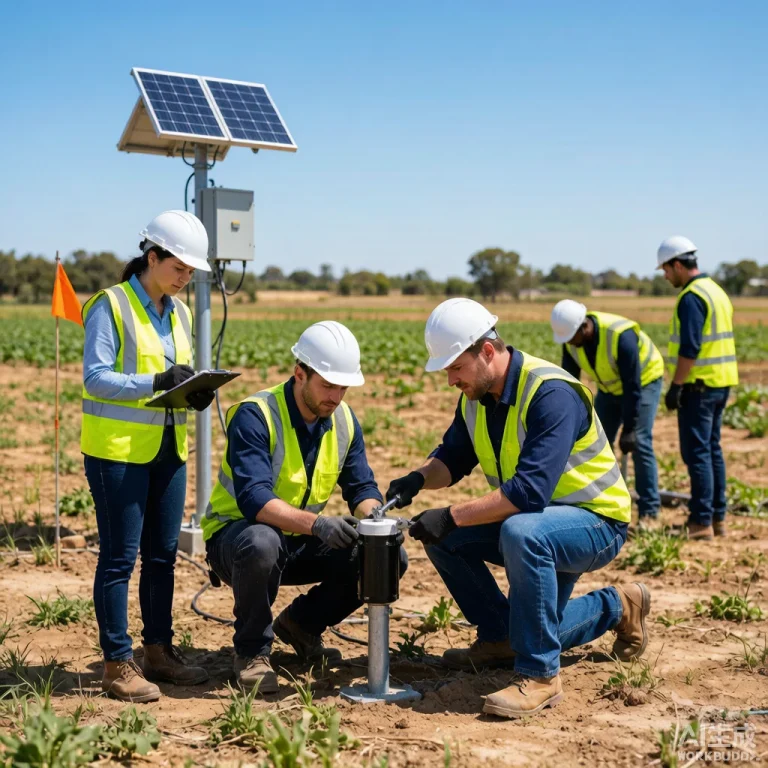
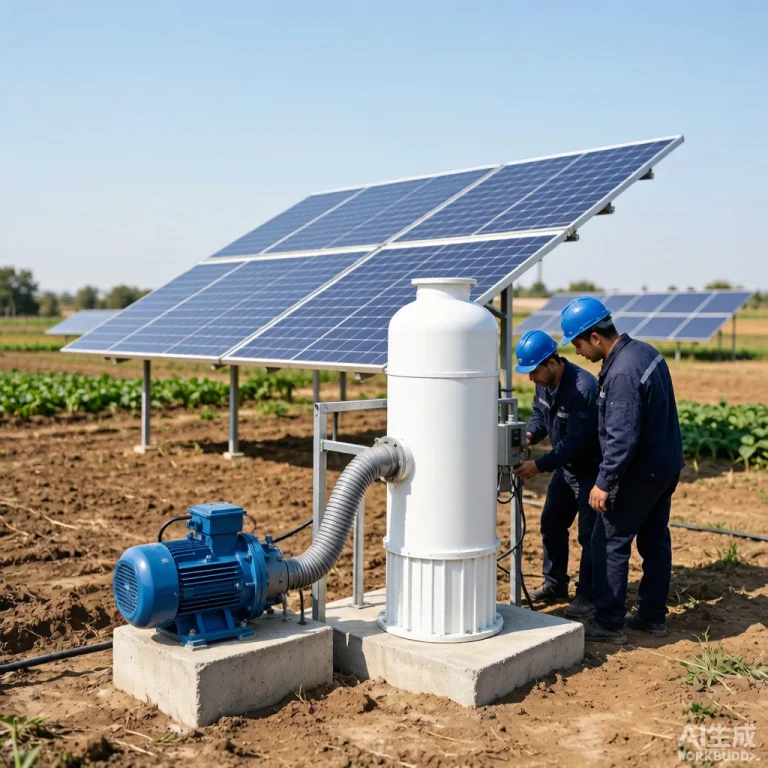
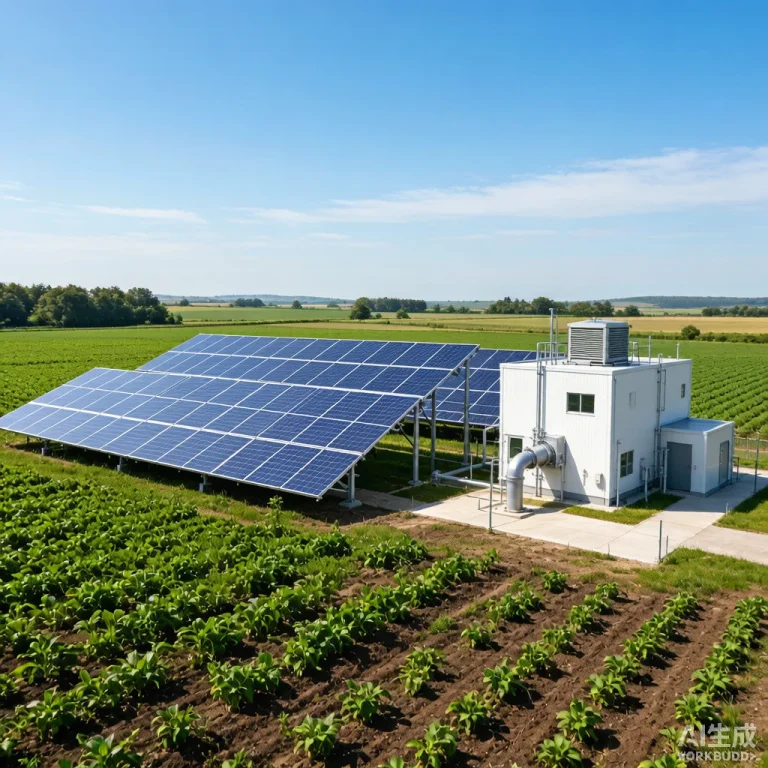
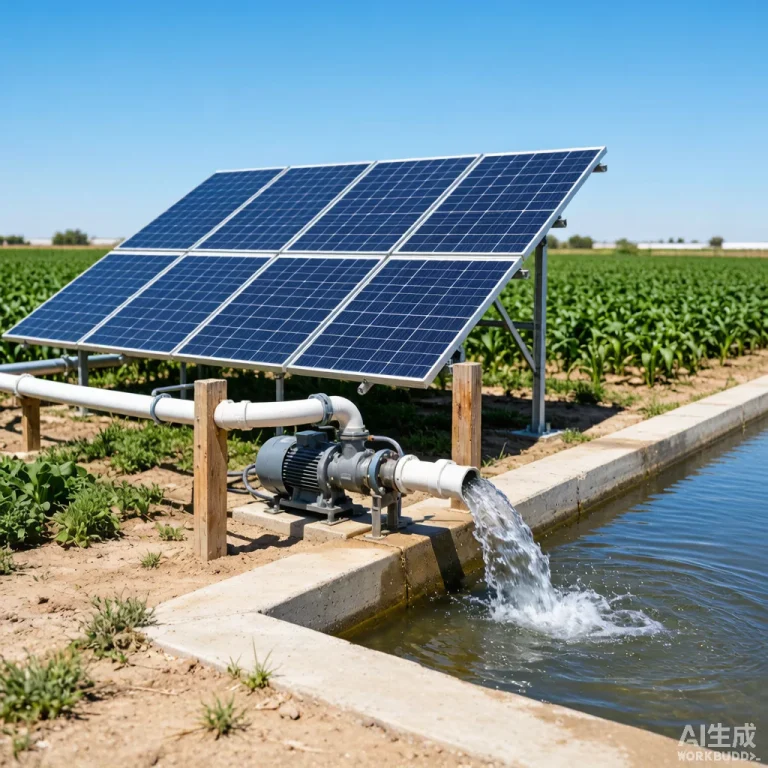
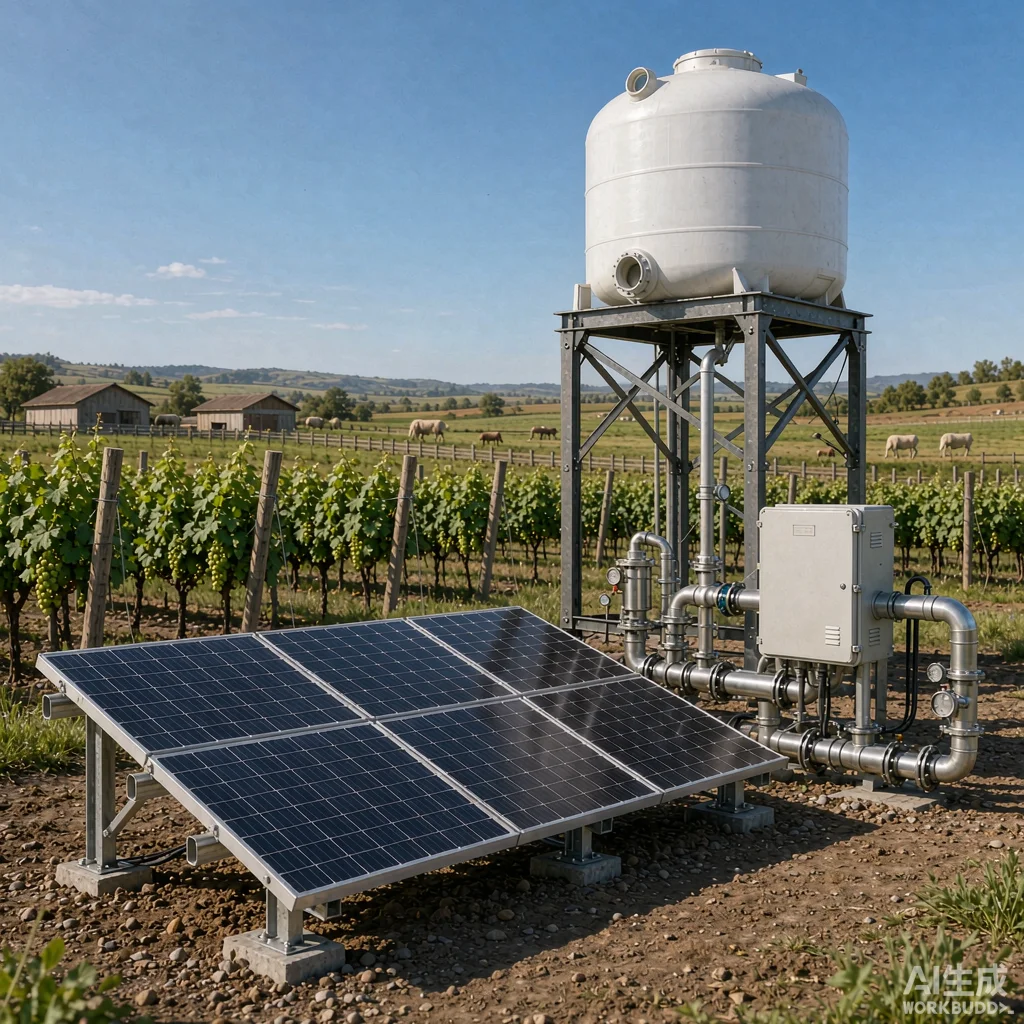
Mediterranean tree crops—olives, vines, almonds, citrus—irrigate through the exact months solar output peaks. A solar irrigation solution here displaces the most expensive peak grid hours, and agrivoltaic rules in Italy and France now let panels share the same hectare as the crop, improving project math further.
Livestock and Remote Supply
Dairy and beef operations use water for cooling, cleaning and drinking around the clock. Solar lifts and circulates it by day; a small battery or the existing grid covers nights. Remote paddocks and mountain holdings with weak connections are the closest Europe gets to classic off-grid demand.
Public Water and Tourism
Village water systems, campsites, and golf and estate landscaping buy resilience and a visible green story. These buyers value documentation and service more than the lowest price.
Competitive and Channel Reality
Europe is a certified, documented market. A bare pump with no paper trail will not clear customs or insurance. Expect to address CE marking, the Low Voltage and EMC directives, RoHS and WEEE for electronics, and where pressurized, the Pressure Equipment Directive. Language and warranty terms are not optional.
- Distributors want local spare parts and a named service contact, not a container and a handshake.
- Quotations must show kWh saved and CO₂ avoided—both feed the farmer’s grant application.
- Installers are licensed electricians; your manual must speak their language (cable sizing, isolation, RCD).
- Brand trust matters: a recognizable name with traceable certificates wins tenders over anonymous imports.
An Export Playbook for Suppliers
For a manufacturer entering or expanding in Europe, the sequence that works is narrow and specific.
- Pick two or three lead countries and learn their exact grant forms before shipping a unit.
- Certify the full kit—pump, controller, panels, cabling—as a system, not piecemeal.
- Recruit one technical distributor per region who can stock spares and train installers.
- Build a one-page savings sheet per crop and climate zone; distributors reuse it for every quote.
- Offer a 5-year system warranty with European-point RMA to remove the service objection.
Frequently Asked Questions
Do European farms really need off-grid solar pumps?
Mostly no—they are grid-connected. The driver is cost and sustainability reporting, not lack of power. Solar pumping cuts the priciest peak grid hours and strengthens grant eligibility.
Which country is the best entry market?
Spain and Italy lead on pure price-and-drought economics; France and Germany on funded, service-driven projects. Start where your distributor already holds certifications.
How important are grants to the sale?
Important but not decisive. With current power prices, payback often works without a grant; the grant mainly shortens it from 5–6 years to 2–3, widening the buyer pool.
What certification is mandatory to sell?
At minimum CE (LVD/EMC) for the electrical kit, RoHS and WEE compliance, and pressure-equipment conformity where the pump is pressurized. National installer rules add local wiring standards.
Plan Your European Market Entry with KINBO
KINBO supports distributors with certified, document-ready solar pumping kits and a per-crop savings sheet that drops straight into grant applications. Talk to our export team for regional certification and distributor terms.
Related Articles