Solar Water Pumps vs Diesel Pumps: 2026 Total Cost of Ownership Comparison for Off-Grid Water Supply
Introduction
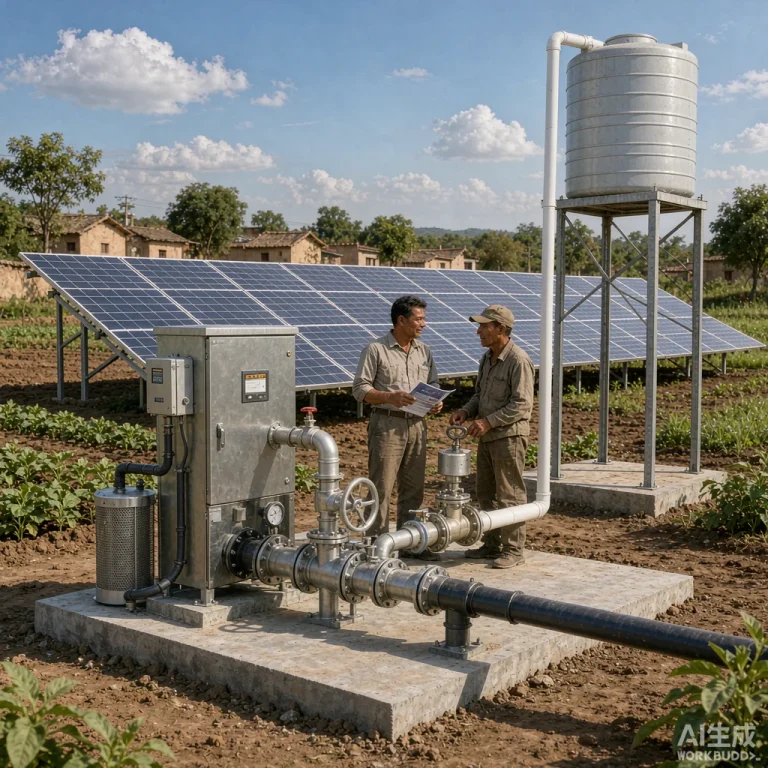
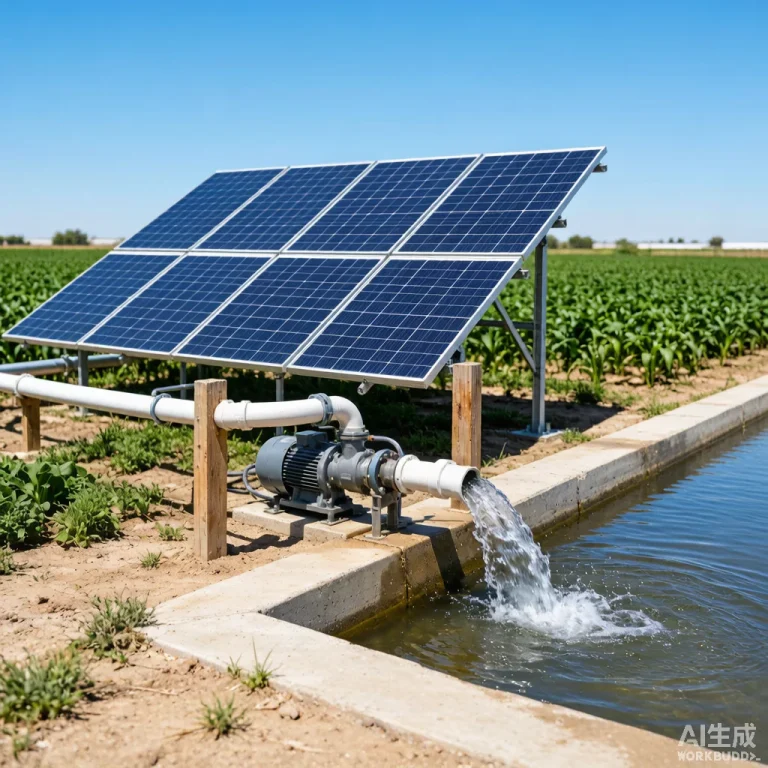
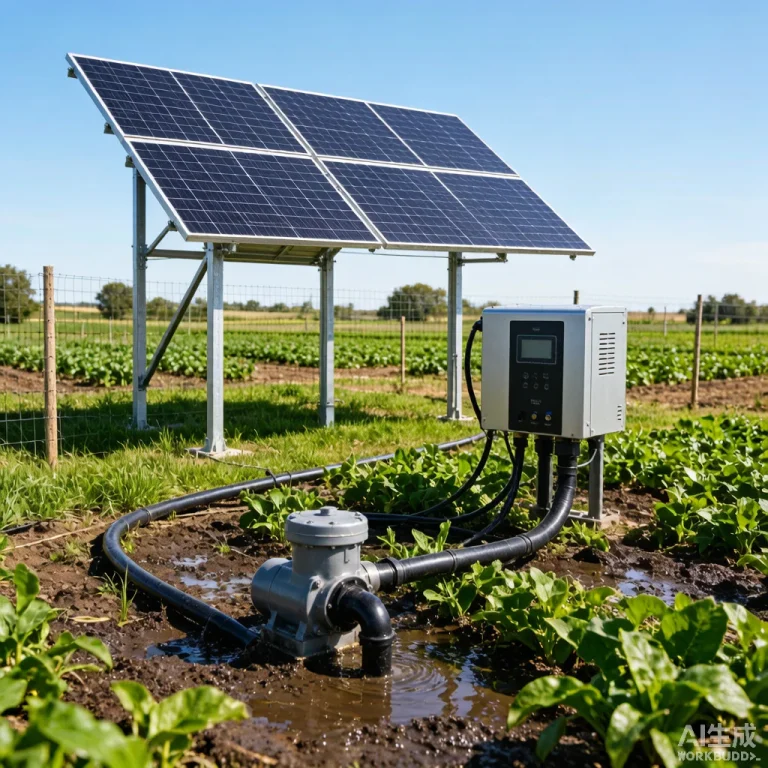
The diesel-versus-solar debate for water pumping is no longer only about emissions; it is about money. A proper solar water pumps vs diesel pumps comparison looks at total cost of ownership, not just the sticker price. KINBO sees the swing point arrive earlier every year as panel prices fall and diesel stays volatile.
Table of Contents
How the Total Cost of Ownership Comparison Works
Total cost of ownership (TCO) sums capital cost, energy or fuel, scheduled maintenance, and expected lifespan, then divides by the volume of water delivered. A diesel set may look cheap to buy but carries a perpetual fuel bill and engine rebuilds; a solar set front-loads cost and then runs nearly free. The crossover, where solar becomes cheaper than diesel, often lands within two to four years of operation, and sites with high fuel prices or poor delivery reach it fastest.
Cost Breakdown by Component
| Cost element | Diesel pump | Solar pump |
|---|---|---|
| Capital cost | Low | Higher |
| Energy / fuel | High, ongoing | Near zero |
| Maintenance | Frequent, engine parts | Low, mostly cleaning |
| Lifespan driver | Engine hours | Panel wear, electronics |
Lifetime Cost per Cubic Meter
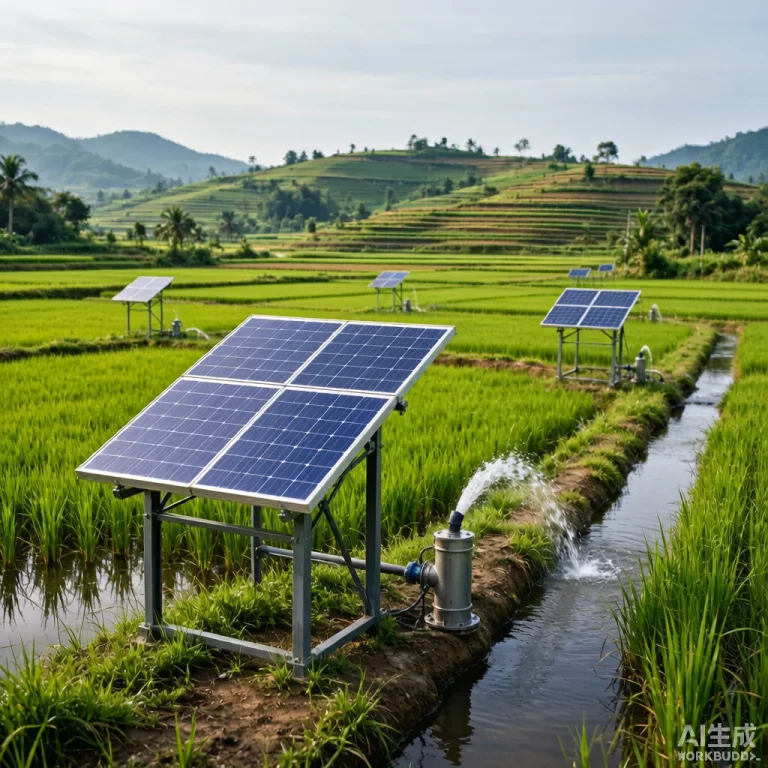
Expressing cost per cubic meter normalizes the comparison across sites. A diesel pump at 8-12 L of fuel per 100 m3 and an engine service every few thousand hours can land at several times the per-unit cost of a solar equivalent once fuel inflation is included. The advantages of solar irrigation pumps compound because the marginal cost of an extra watering is essentially zero.
A worked example makes the crossover concrete. A 1.5 kW diesel pump running 6 hours a day at 1.5 L/h of fuel uses roughly 9 L daily; at 1 dollar per liter that is about 270 dollars a year, before oil and a rebuild every few thousand hours. A solar equivalent of similar output carries no fuel bill and only panel washing, so the higher capital is typically recovered within two to four irrigation seasons, after which every cubic meter is essentially free.
Where Diesel Still Wins (and for How Long)
Diesel remains pragmatic where night pumping is essential and no battery budget exists, or where a pump must move immediately with no sun and no storage. But batteries and hybrid inverters are closing that gap fast. For daytime irrigation, livestock, and village supply, solar already wins on TCO in most 2026 scenarios, and the gap widens as diesel prices rise.
Frequently Asked Questions
How soon does solar beat diesel on cost?
Typically within two to four years of regular operation, after which solar keeps delivering water at near-zero marginal cost.
What about cloudy-season reliability?
Size the array with seasonal headroom and, if needed, add a battery or hybrid input for uninterrupted supply.
Is maintenance really lower with solar?
Yes. No engine, filters, or fuel means far fewer consumable parts; mainly panel washing and periodic checks.
Should I keep a diesel backup?
For critical night demand, a small hybrid backup is reasonable; for daytime duties, solar alone is usually sufficient.
For B2B buyers replacing diesel pumping with solar for cost and emissions, contact KINBO for competitive FOB pricing and technical specifications.
Related Articles
- Solar Pump Inverter Fault Codes and Troubleshooting
- Solar-Powered Community Water Supply: A Case Study
- Explore KINBO Solar Surface Pumps