Complete Off-Grid Solar System Design for Gold Mining Operations in Africa
Introduction
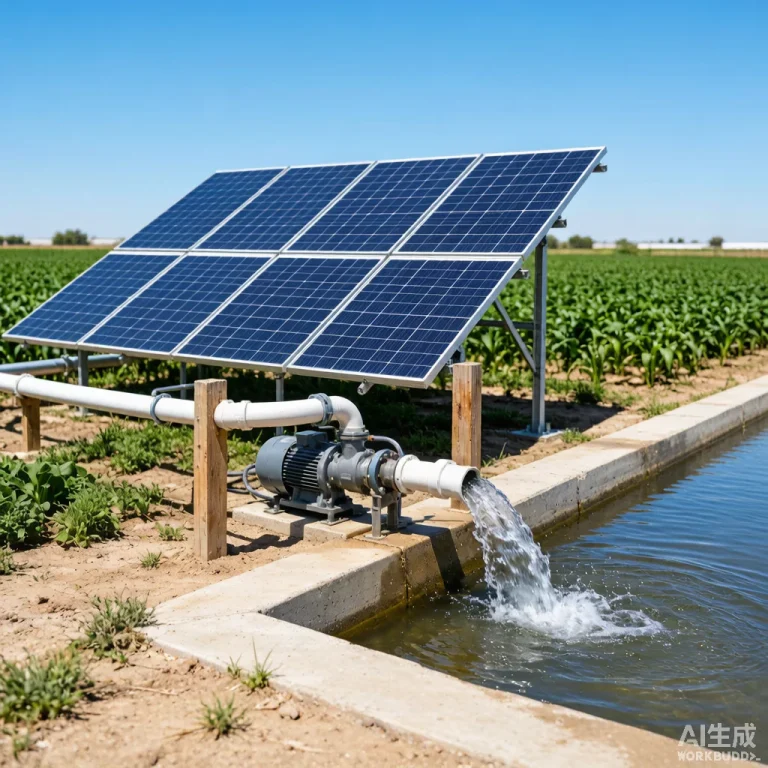
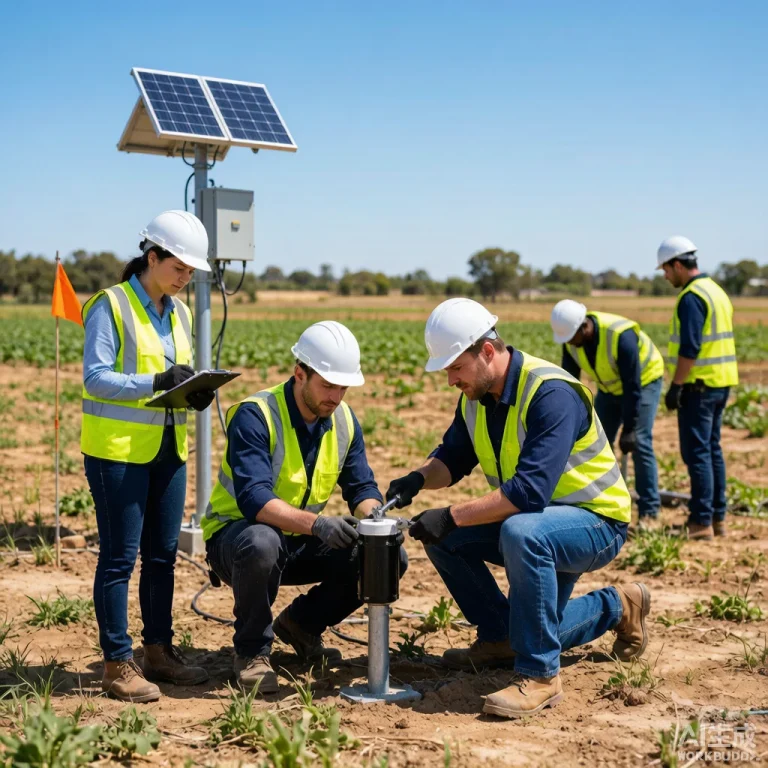
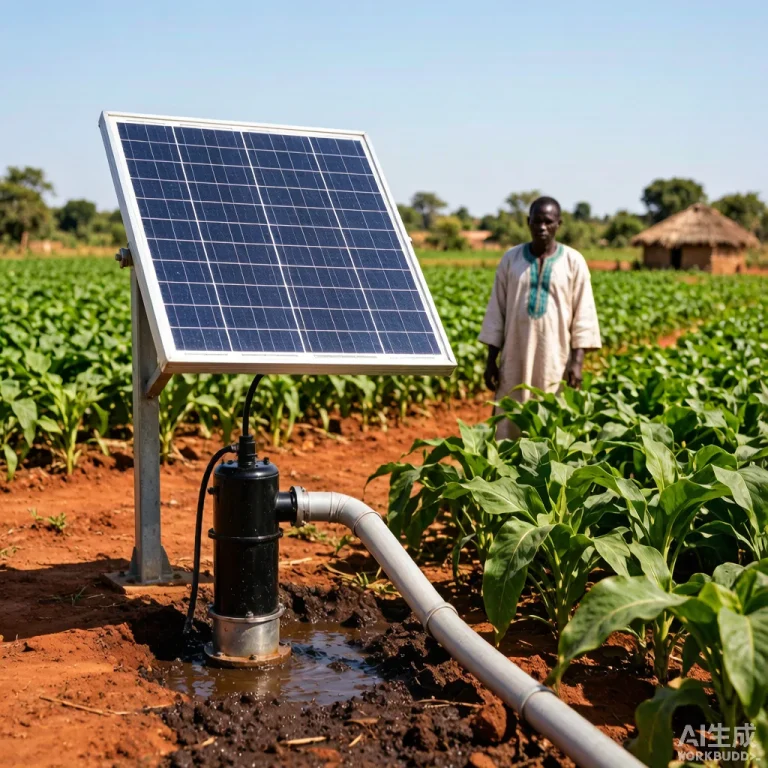
A solar pump for a gold mine is only as good as the system around it. In remote African operations—where there is no grid, no technician on call and no parts shop down the road—the difference between a pump that runs for years and one that fails in a month is the quality of the complete solar system design: array, controller, cabling, storage, monitoring and the way they are integrated. Treating the pump as a standalone box is the most common and costly mistake. This article lays out a complete off-grid solar system design for gold mining operations in Africa, built so the whole package survives dust, heat and isolation. Solar system integrators and pump specialists such as KINBO design end-to-end packages—from panel to pump to telemetry—so a mine gets one accountable, field-proven solution rather than mismatched parts.
Table of Contents
Components of a Complete System
Every element has a job; skip one and the chain breaks. The table maps component to role.
| Component | Role | Design Note |
|---|---|---|
| Solar array | Generates DC from sun | Size to daily water duty + 20% headroom |
| Mounting & structure | Holds panels, sheds heat | Tilt for latitude, avoid shading |
| MPPT pump controller | Tracks max power, drives motor | Match array Vmp and motor rating |
| Pump + wet end | Moves the water | Sediment-rated for mine water |
| Battery (optional) | Stores energy for night | Only if 24/7 duty required |
| Monitoring | Reports status remotely | Cuts site visits (see telemetry guide) |
Sizing the Array to the Mine’s Duty
The array is sized backwards from the water duty, not from a panel catalogue:
- Daily volume—sum every draw: dewatering, process, camp, dust. (Our dewatering guide covers that duty.)
- Total head—lift plus pipe friction at the combined flow.
- Sun-hours—use the worst realistic month; size for that, not the annual average.
- Headroom—add ~20% so a cloudy spell still completes the day’s work.
- Voltage—keep array Vmp within the controller’s window across temperature swings (hot panels drop voltage).
Battery Storage vs Day-Time Only
Most mine water duties are daytime-friendly, so batteries are often unnecessary. The table contrasts the two architectures.
| Architecture | Best For | Trade-off |
|---|---|---|
| Day-time only (no battery) | Dewatering, camp top-up, dust | Stops at dusk; cheapest, simplest |
| Battery-backed | Continuous process / night duty | Costs more, needs battery care |
A buffer tank often replaces batteries cheaply: pump to the tank by day, draw from it at night. This is the same logic behind our tank-fill guide.
Controller, Cabling and Protection
The integration details decide field life:
- Cabling—UV-stable, properly sized for current and distance; undersized cable quietly wastes array power as heat.
- Surge and reverse-polarity protection—a lightning-prone African wet season destroys unprotected controllers.
- Earthing—proper ground for array frame and controller.
- Enclosure—IP65+ for the controller, shaded and ventilated.
- Dry-run and over-current cut-out—protects the pump when the sump or source runs low.
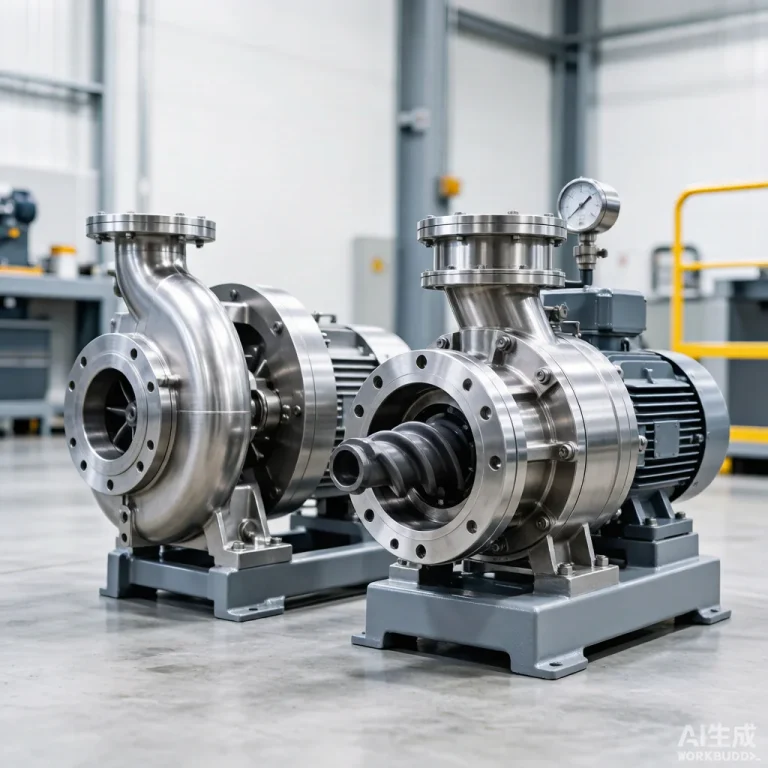
Because mine water is abrasive, pair the system with a sediment-rated pump as described in our process-water selection guide.
Frequently Asked Questions
Do I need batteries for a gold mine solar pump?
Usually not. Dewatering, camp supply and dust control are daytime loads; a buffer tank covers night demand. Only continuous process duty needs batteries, and even then a tank is often cheaper.
How do I size the array if sun-hours vary by season?
Size for your worst realistic month, not the average. Oversizing slightly is cheaper than running dry in the wet season when dewatering demand peaks.
What kills these systems in the field?
Undersized cable, no surge protection, and a pump not rated for sediment. Get those three right and a well-integrated system runs for years with minimal service.
Can one system serve several mine duties?
Yes—size the array for the total daily volume and route flow with valves to dewatering, process and camp as needed. Just confirm the pump handles each duty’s head and water quality.
Related Articles
- Solar Pumps for Gold Mine Dewatering in Africa
- Solar Pump Telemetry and Remote Monitoring
- Explore KINBO Solar Pump Products
Get a Complete Gold-Mine Solar System
Share your total daily water duties, heads and site conditions with KINBO, and we will design a complete off-grid solar system—array, controller, sediment-rated pump, optional storage and telemetry—engineered for remote African gold mines as one accountable package. Contact our team for a tailored quote.
Published by KINBO · September 22, 2026 · Category: Industry Insights