Solar Pump Inverter Fault Codes and Troubleshooting: A Practical Field Reference for Off-Grid Systems
Introduction
When an off-grid solar pumping system stops, the inverter is usually the first place to look. Modern drives report problems as short alphanumeric solar pump inverter fault codes, and learning to read them turns a mystery outage into a ten-minute fix. KINBO controllers surface clear alarm text precisely so field staff can act without guesswork.
Table of Contents
What Inverter Fault Codes Mean
A fault code is the controller protecting itself and the motor. Rather than letting voltage or current drift into a destructive range, the drive shuts down and flashes a code that points to the subsystem at fault: input, output, temperature, or communication. Treating the code as a diagnostic, not an annoyance, prevents the classic mistake of repeatedly resetting a fault that has a real cause.
Most Common Fault Codes and Causes
| Code family | Typical meaning | Likely root cause |
|---|---|---|
| Over-voltage / OV | Array voltage above limit | Too many panels in series, or cold-sun string |
| Over-current / OC | Output current too high | Pump seized, blocked impeller, undersized cable |
| Low water / dry-run | Source level too low | Well drawdown, suction loss, sensor fault |
| Over-temp / OH | Heatsink too hot | Poor ventilation, high ambient, dust clog |
| Comms / sensor | Signal lost | Loose connector, rodent damage |
Step-by-Step Troubleshooting
- Read the exact code and match it to the controller’s label list; do not guess from memory.
- Check the array: measure open-circuit voltage at the controller input against the rated window.
- Inspect the pump side: confirm free rotation, clean screen, and no blocked pipe.
- Verify sensors and cabling: reseat connectors and look for rodent or weather damage.
- Clear the fault, restart, and watch the current ramp for the first 60 seconds.
For the maintenance routines that keep these faults rare, review our solar pump maintenance guide before the season starts.
Preventing Recurrent Faults
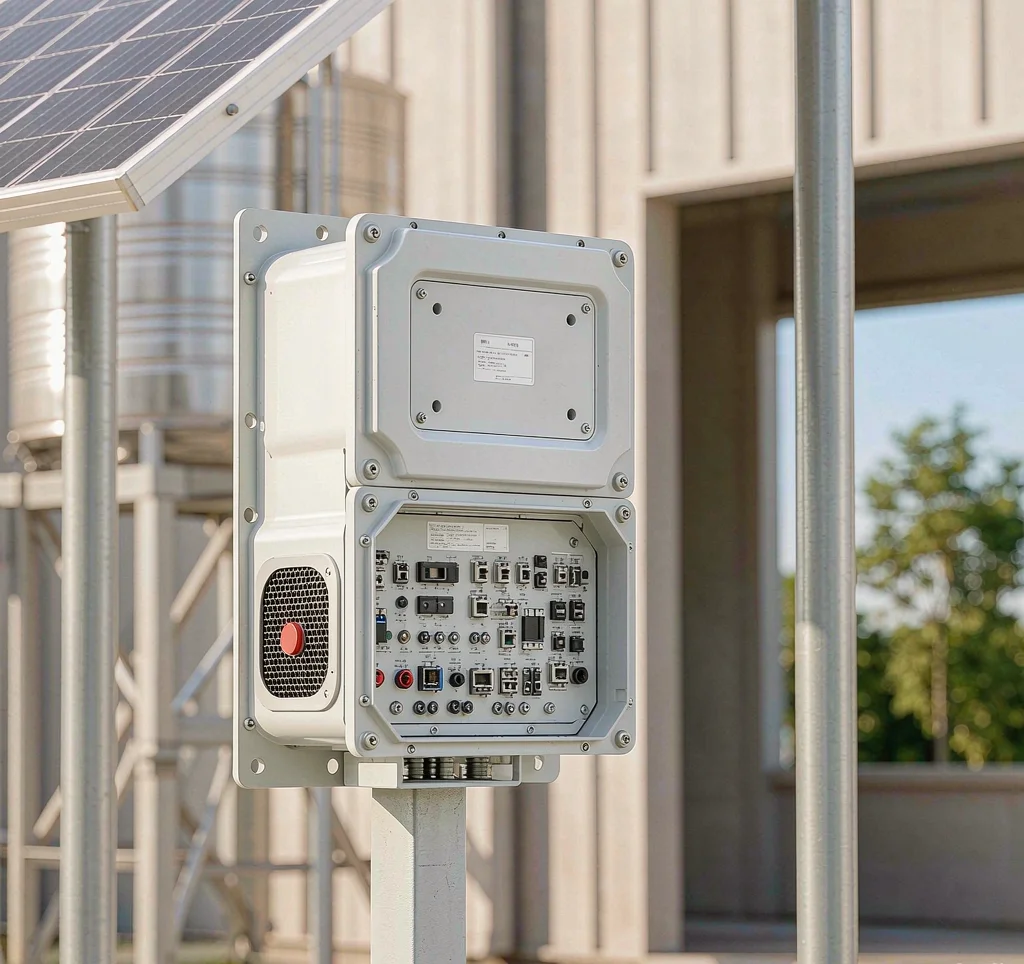
Most repeat alarms trace back to three causes: a string sized for summer sun but over-voltage in cold bright mornings, a pump drawing more current than the cable can carry, and a controller box mounted where it cannot breathe. Right-size the array, upsize underspecified cabling, and site the enclosure in shade with airflow. A logged fault history also reveals patterns, such as faults only on cloudy-then-clear transitions, that point to tuning the MPPT sweep rather than a hardware fault.
Frequently Asked Questions
Why does the inverter show over-voltage at noon?
High irradiance can push array voltage above the controller limit. Check the series string configuration or enable the over-voltage clamp so the unit rides through peak sun.
Can I just keep resetting a fault code?
No. Repeatedly clearing a fault without fixing the cause risks burning the motor or MOSFETs. Diagnose the root cause first.
What does a dry-run fault protect against?
It stops the pump when the source level drops, preventing cavitation and seal damage that would otherwise destroy the pump.
How do I know if a code is a sensor vs a real fault?
Reseat the connector and restart; if the code clears and stays clear, it was a loose connection. If it returns under load, the fault is real.
For B2B buyers diagnosing and repairing off-grid solar pumping systems, contact KINBO for competitive FOB pricing and technical specifications.
Related Articles
- AC vs DC Solar Water Pumps: How to Choose the Right Pump Type
- Solar Pump Installation Best Practices
- Explore KINBO Solar Pump Inverters