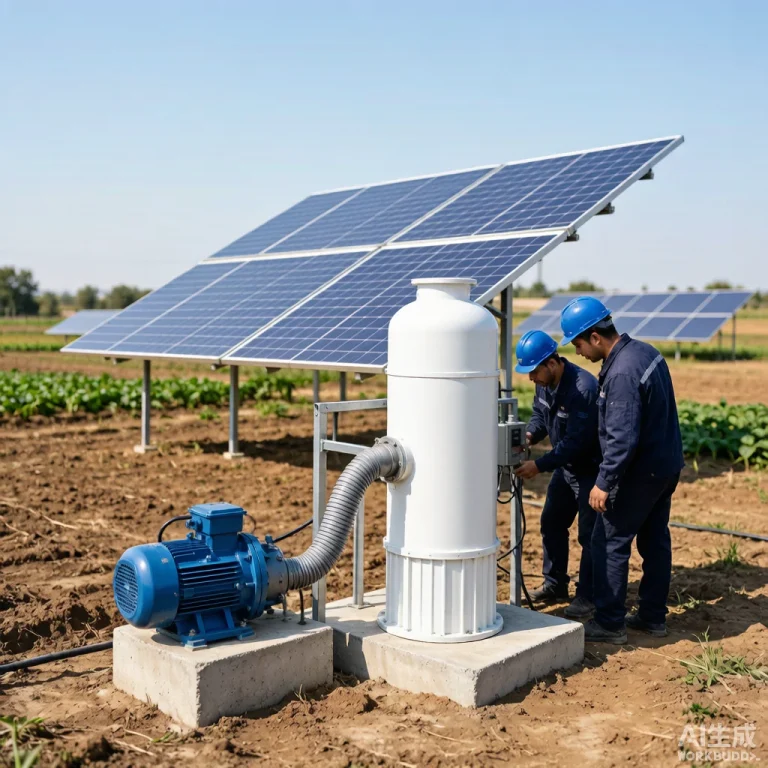
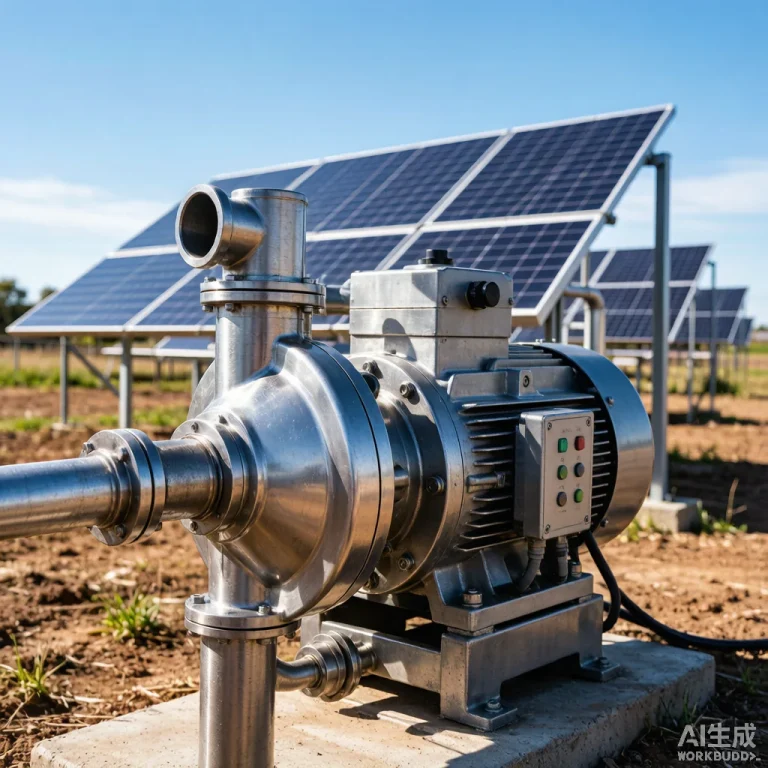
Solar Water Pumps for Remote Research Stations and Field Camps: Autonomous Water Off the Grid
Introduction
Field stations – for ecology, glaciology, deserts or permafrost – operate where resupply is rare and labor scarce. A KINBO solar water pump runs autonomously, freeing scientists from the water chore. This article covers why stations need autonomy, system design, resilience to extreme sites, monitoring and low-touch operation.
Table of Contents
Why Stations Need Autonomy
Research crews are small and their time is precious; hauling or generating water wastes the very resource being studied. Solar pumping automates supply so scientists work on science.
Resupply flights or convoys are expensive and infrequent, so the system must run for months unattended. Solar with storage is the only practical answer at many sites.
A drinking water solution paired with the pump meets both lab and life needs on site.
Station System Design
Design for the worst month, not the average. Size array and tank so the station never runs dry during the darkest, coldest stretch, with margin for extra crew in summer.
| Need | Design response |
|---|---|
| Winter sun | Oversized array |
| Crew peaks | Larger tank |
A head calculation fixes duty from the often-deep or distant source.
Resilience to Extreme Sites
Permafrost, dust and salt punish equipment. Use freeze-protected routing, sealed drives and corrosion-resistant materials matched to the environment.
Dry-run and over-temperature protection prevent the failures that a harsh site provokes. A controller settings review keeps limits correct for the climate.
KINBO specifies materials per environment so a coastal or polar station gets the right build from day one.
Remote Monitoring
With crews away for weeks, monitoring is essential. Flow, tank level and fault status report by satellite or long-range radio to a home institute that can act before the tank empties.
Alarms escalate only real faults, avoiding pointless field trips. The log also becomes a dataset on system performance in extreme conditions.
This visibility turns a remote pump from a liability into a dependable utility.
Low-Touch Operation
Design for the fewest possible interventions: self-cleaning strainers, generous spares cached on site, and procedures simple enough for a rotating scientist to follow.
A maintenance checklist posted at the pump house covers the rare visit. Keep one trained contact who can talk a newcomer through it.
The goal is a system that simply works, season after season, with almost no human touch.
Frequently Asked Questions
Why do research stations need autonomous water?
Crews are small and resupply rare; solar pumping automates supply so scientists focus on science, running unattended for months where only solar with storage works.
How is a station system designed?
For the worst month: oversized array and larger tank so the station never runs dry in the darkest stretch, with margin for summer crew peaks, fixed by a head calculation.
How is the pump made resilient to extreme sites?
Freeze-protected routing, sealed drives, corrosion-resistant materials, and dry-run and over-temperature protection matched to permafrost, dust or salt environments.
How is a remote station pump monitored?
Flow, tank level and faults report by satellite or long-range radio to a home institute that acts before the tank empties, with alarms for real faults only.
For B2B buyers solar pumps for research stations, contact KINBO for competitive FOB pricing and technical specifications.
Related Articles
- Solar Pump Controller Settings: MPPT, Voltage, Protection and How to Configure Your System Correctly
- Solar Submersible vs Surface Pumps: How to Choose the Right Pump Type for Your Water Source
- Explore KINBO Solar Submersible Pumps