Solar Pump MPPT Controller Setup and Tuning: A Practical Guide to Maximize Off-Grid Pump Efficiency
Introduction
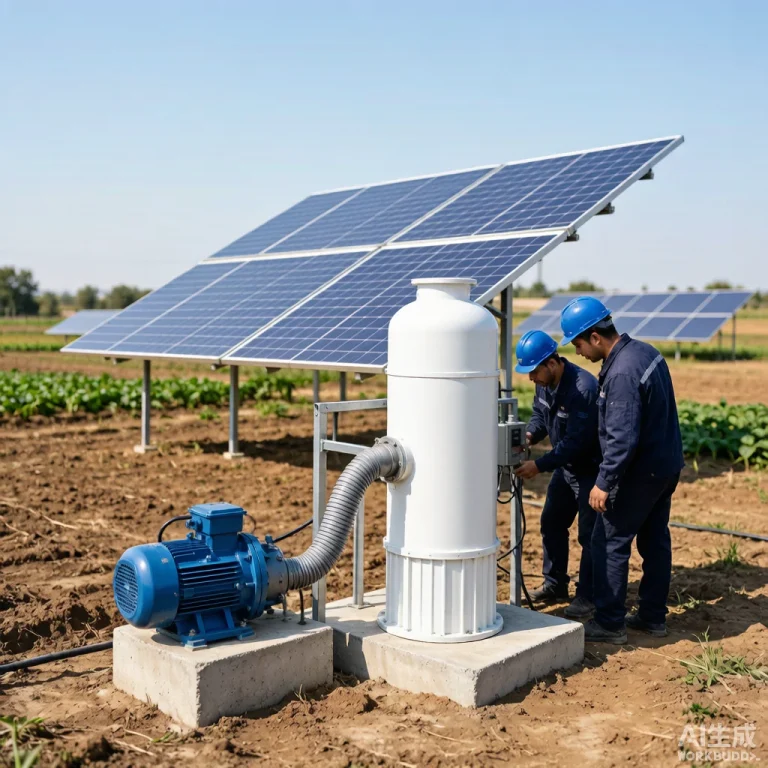
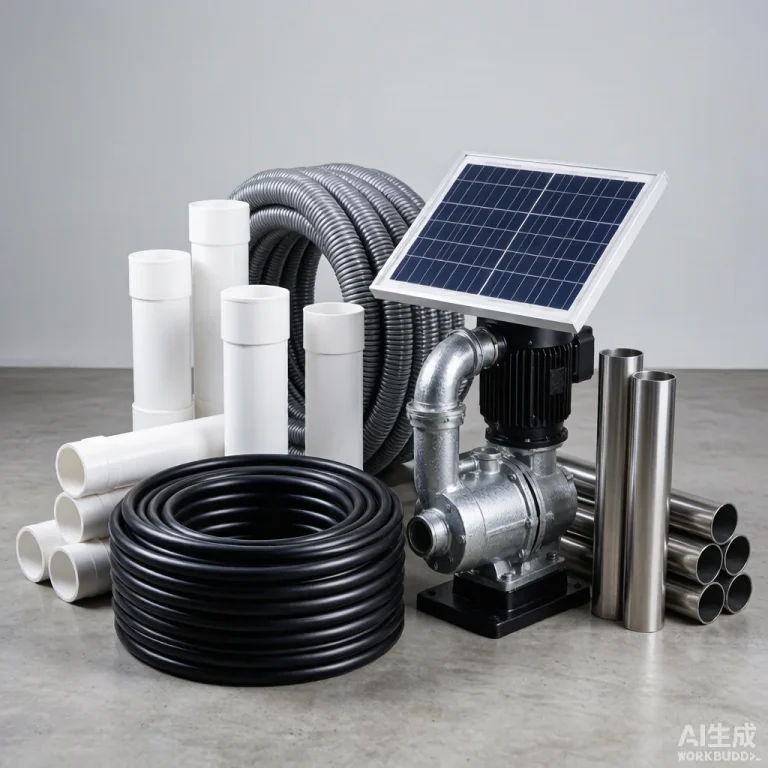
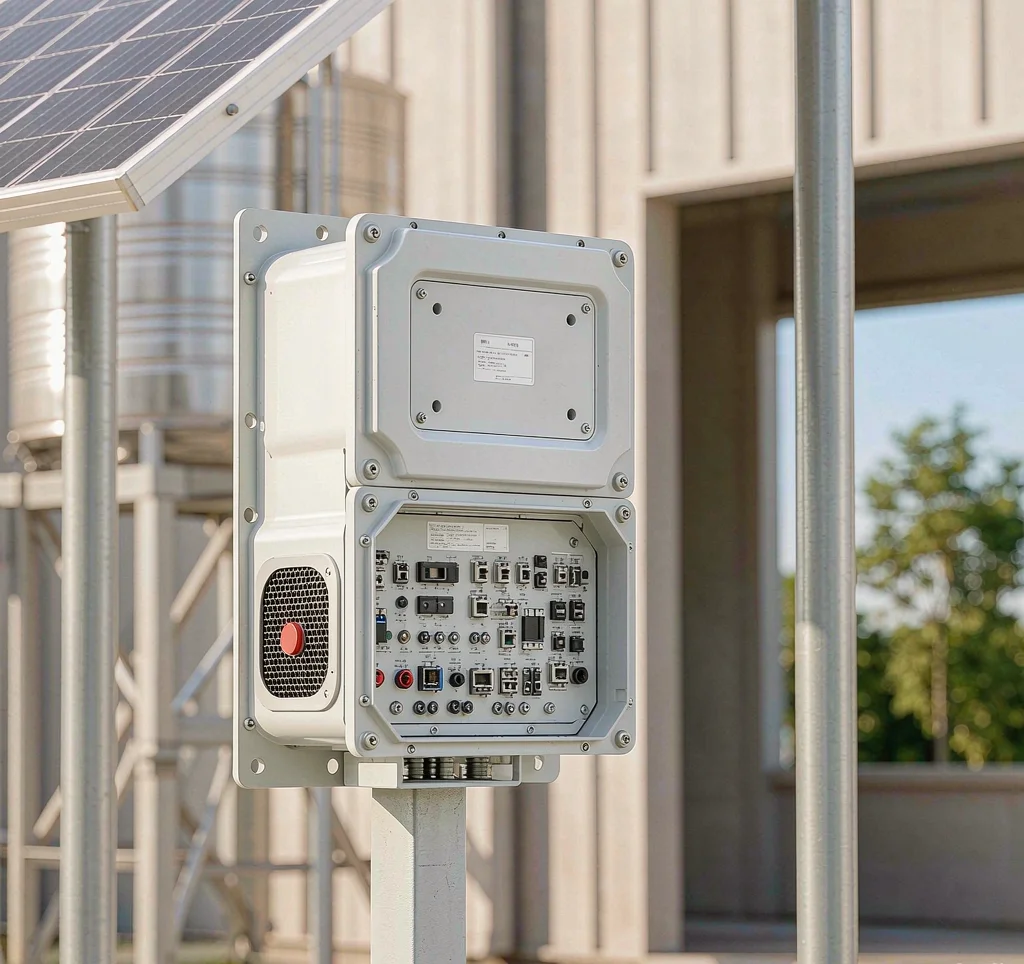
An off-grid solar pumping system lives or dies by its controller. A solar pump MPPT controller (Maximum Power Point Tracking) sits between the PV array and the pump motor, constantly searching the panel curve for the voltage that delivers the most watts. Manufacturers such as KINBO build MPPT intelligence directly into their built-in controller solar pumps so the drive, protection, and tracking logic ship as one sealed, weatherproof unit.
Table of Contents
What an MPPT Controller Does in a Solar Pump System
A solar pump MPPT controller is the brain of a direct-drive photovoltaic pumping system. Unlike a basic PWM driver that simply chops voltage, an MPPT controller scans the solar panel’s current-voltage (IV) curve dozens of times per second and locks onto the operating point where the array produces maximum power. For a water pump running straight from the panels, this routinely recovers 20-30% more energy from the same array, with the biggest gains in the low-light morning, evening, and under passing clouds.
The recovered energy translates directly into more water lifted per day, which is why MPPT has become the default topology for modern solar pumping rather than a premium option.
Key Setup Parameters You Must Configure
Before commissioning, the controller needs a small set of parameters matched to the actual array and pump. Get these wrong and the system either under-performs or trips offline.
| Parameter | Why it matters | Typical setting |
|---|---|---|
| Rated PV input voltage | Must stay within array open-circuit window | ~2x pump rated V |
| Max input current | Protects controller MOSFETs | array Isc x 1.25 |
| Pump rated current | Sets overload threshold | Nameplate value |
| MPPT tracking speed | Balance stability vs. response | Medium |
| Dry-run / low-water protection | Stops pump when source is low | Enabled |
Tuning for Variable Solar Conditions
Real-world irradiance is never flat. As clouds move, the maximum power point shifts, and a slow-tracking controller leaves energy on the table. Tuning means setting the tracking speed high enough to follow rapid changes but low enough to avoid oscillation on a stable, clear day.
In dusty or hazy sites, widen the voltage sweep window so the controller re-finds the maximum after soiling reduces output. Seasonal adjustment also helps: tilt angle and string configuration move the array’s MPP voltage band between summer and winter, so many KINBO installers re-run the auto-tune function at each equinox. For the underlying panel math, see our guide on how to configure solar panels for water pumps before commissioning the drive.
Common Configuration Mistakes to Avoid
- Skipping auto-tune and accepting factory defaults for a mismatched array.
- Undersizing current rating relative to the array short-circuit current, overheating the MOSFETs.
- Disabling dry-run protection to “force” output, which burns out the motor when the source runs low.
- Mixing panel brands with different IV curves in one string, creating multiple false maxima.
Frequently Asked Questions
Can I add more solar panels to an existing controller later?
Yes, provided total open-circuit voltage stays inside the controller’s PV input window and short-circuit current remains under the rated value. Always re-run auto-tune after changing the array.
Why does my pump stop around noon?
High irradiance can push array voltage above the controller’s upper limit. Check the string configuration or enable the over-voltage clamp so the unit rides through peak sun instead of tripping.
Do I need a battery with an MPPT solar pump?
No. MPPT solar pumps run directly from the array during daylight. Batteries are optional and only needed for night operation or cloudy-weather buffering.
How often should the controller be re-tuned?
At every seasonal change and after any modification to the panel layout, tilt, or string wiring.
For B2B buyers commissioning off-grid solar pumping systems, contact KINBO for competitive FOB pricing and technical specifications.
Related Articles
- How to Size a Solar Water Pump for Livestock Watering
- Solar Pump Surge Protection and Earthing
- Explore KINBO Solar Pump Inverters