Solar-Powered Community Water Supply: A Case Study in Remote Village Water Access and Reliability
Introduction
Reliable drinking water is the first test of any rural development project. A remote settlement with no grid faced recurring diesel shortages until it switched to a solar powered community water supply. This case study examines the design, the measured reliability, and the human impact after one year. KINBO provided the submersible pumping and control hardware for the installation.
Table of Contents
Site Background and Challenge
The village of roughly 600 people relied on a single diesel pump feeding a raised tank. Fuel deliveries were irregular, the pump broke down during the dry season when demand peaked, and households sometimes walked long distances to alternate sources. The goal was autonomous daytime supply with minimal recurring cost.
Before the project, water insecurity had measurable consequences: missed school days during outages, higher household labor for collection, and recurring spend on fuel the community could ill afford. Any solution had to remove both the cost and the unreliability, not merely shift them.
System Design and Configuration
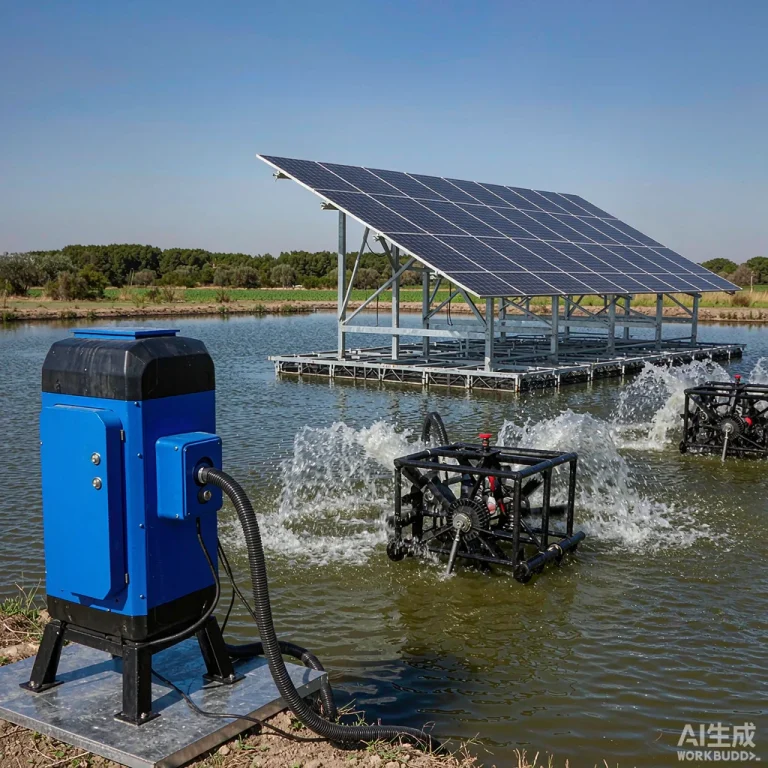
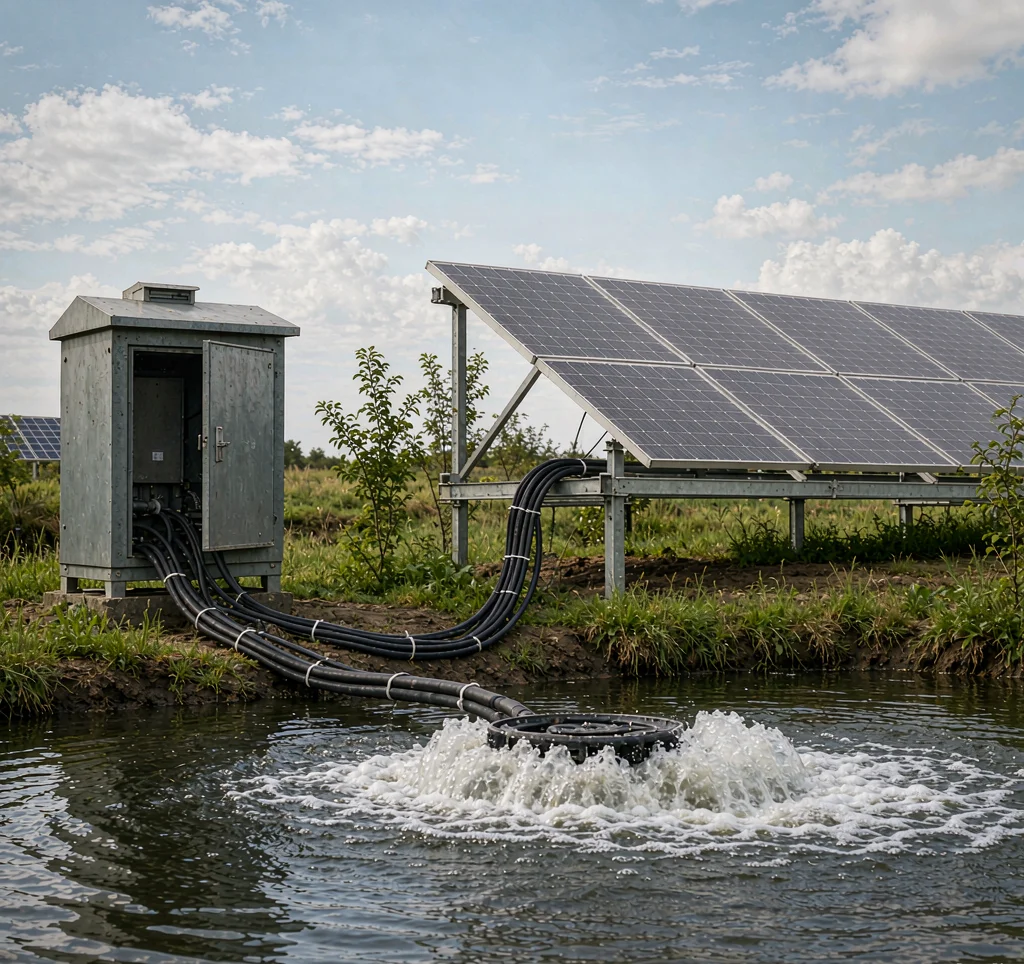
Two DC submersible pumps lift groundwater to a 10 m3 elevated tank through a matched MPPT controller with dry-run protection, powered by a ground-mounted panel array.
| Component | Specification |
|---|---|
| Pumps | 2 x DC submersible, 1.1 kW each |
| Solar array | 6 x 450 W panels |
| Storage | 10 m3 elevated tank |
| Controller | MPPT with dry-run protection |
| Distribution | Gravity tap stands x 4 |
The same pump family is detailed in our KINBO solar submersible pumps lineup used here. Redundancy was built in from the start: either pump alone can meet peak demand, so a single fault never becomes a village-wide outage.
Results and Community Impact
| Metric | Before (diesel) | After (solar) |
|---|---|---|
| Daily fuel cost | ~ $6 | $0 |
| Supply reliability | ~ 75% | ~ 99% |
| Dry-season outages | Frequent | None recorded |
Beyond the numbers, the change was social. The tank meant water was available on demand rather than rationed around engine runs, and the eliminated fuel spend was redirected to a small village savings fund. Women and children, who had carried most of the collection burden, regained hours each day.
With water assured through the dry season, school attendance improved and a small community garden started using overflow for irrigation.
Lessons for Similar Projects
- Oversize the tank so a few cloudy days never become a water emergency.
- Train two local operators on dry-run resets and panel cleaning.
- Keep one spare controller module on site; it is the only item likely to need swap.
Critically, the project budgeted for training before hardware. Two residents now handle daily checks, so the system does not depend on a single external technician traveling long distances.
Frequently Asked Questions
How large a tank is needed?
Enough to bridge several cloudy days; 2-3 days of peak demand is a common rule of thumb for village systems.
Can the system serve a growing population?
Yes, by adding panel and pump capacity in stages; the tank and distribution can often absorb the increase.
What maintenance does a village system need?
Panel washing, occasional controller checks, and tank hygiene; far less than a diesel engine.
Is battery storage required?
Not for daytime supply into a raised tank; gravity storage from the tank covers evening use without batteries.
For B2B buyers deploying community and rural water systems, contact KINBO for competitive FOB pricing and technical specifications.
Related Articles
- AC vs DC Solar Water Pumps: How to Choose the Right Pump Type
- Solar Pump Installation Best Practices
- Explore KINBO Solar Submersible Pumps