How Solar Water Pumps Work: A Complete Technical Guide
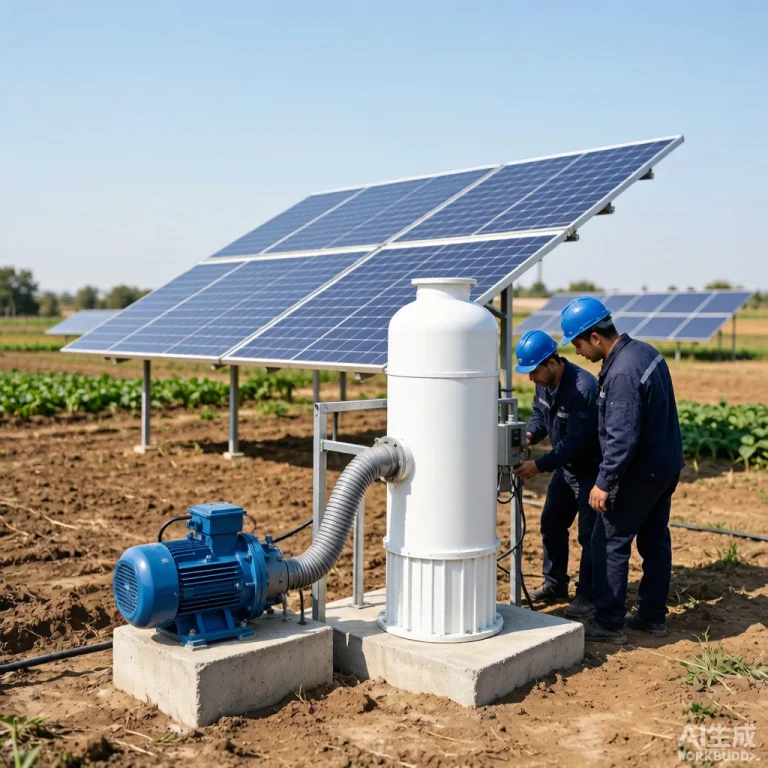
Solar water pumps are marvels of engineering that convert sunlight directly into water delivery. Understanding how they work helps you make better purchasing and installation decisions.
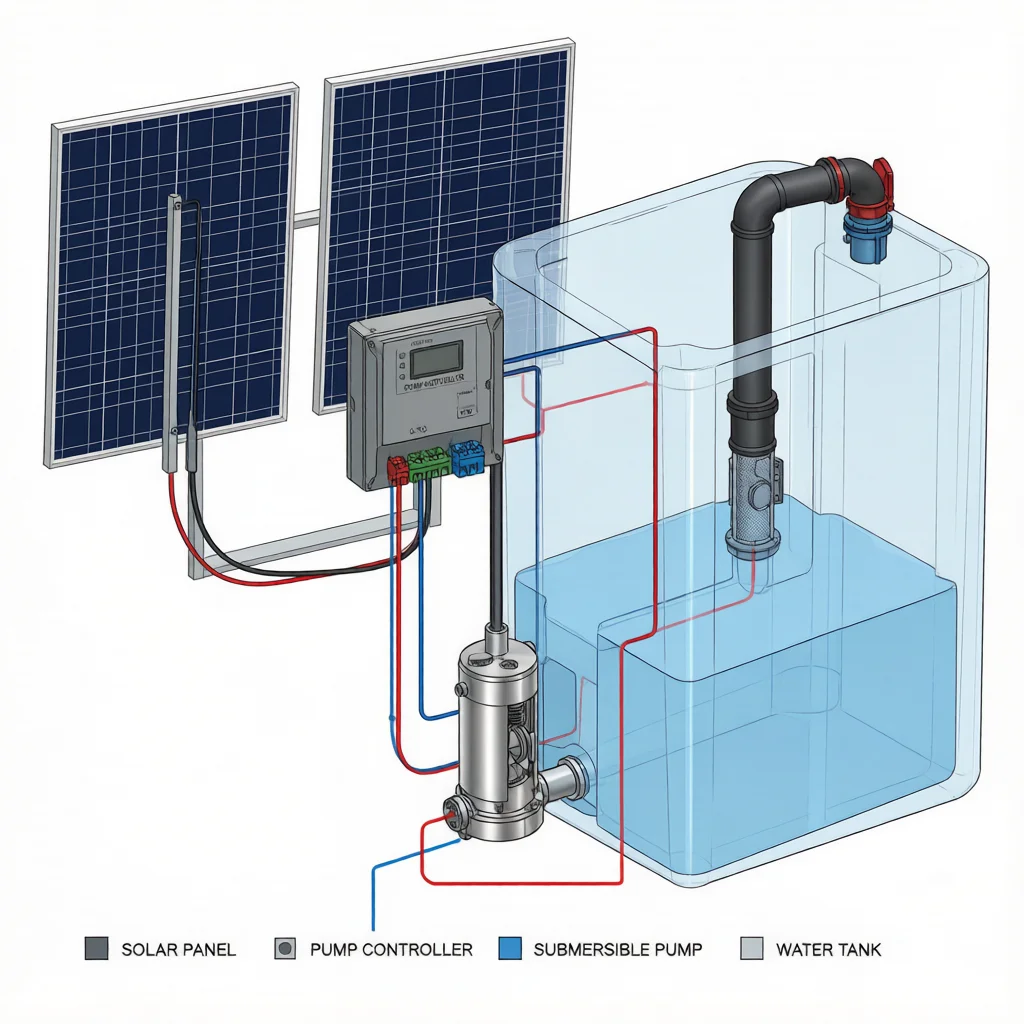
The Four Core Components
1. Solar Photovoltaic (PV) Panels: Convert sunlight into DC electricity. Panel wattage and configuration determine the available power. Modern panels achieve 20-23% efficiency in converting sunlight to electricity.
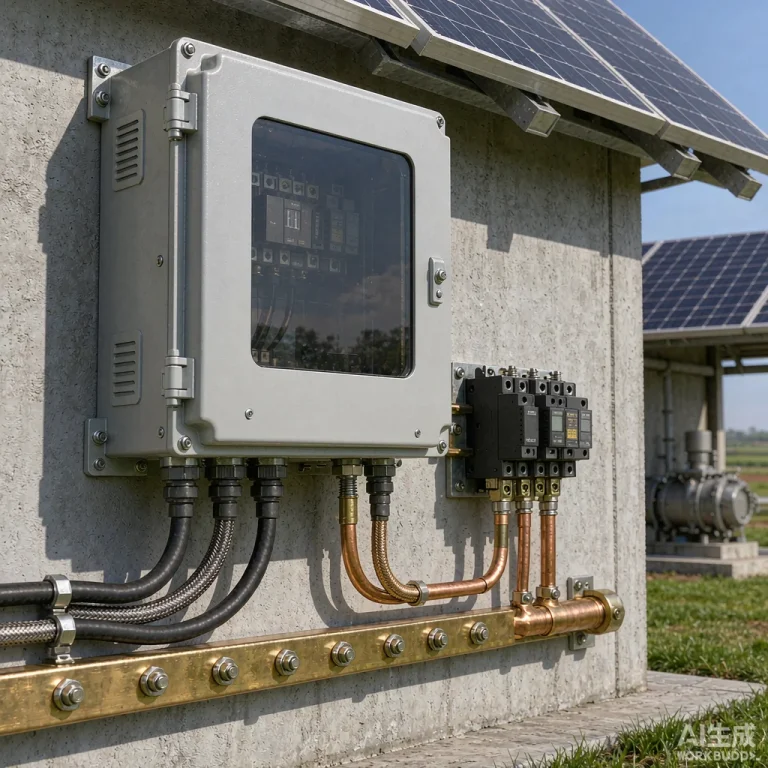
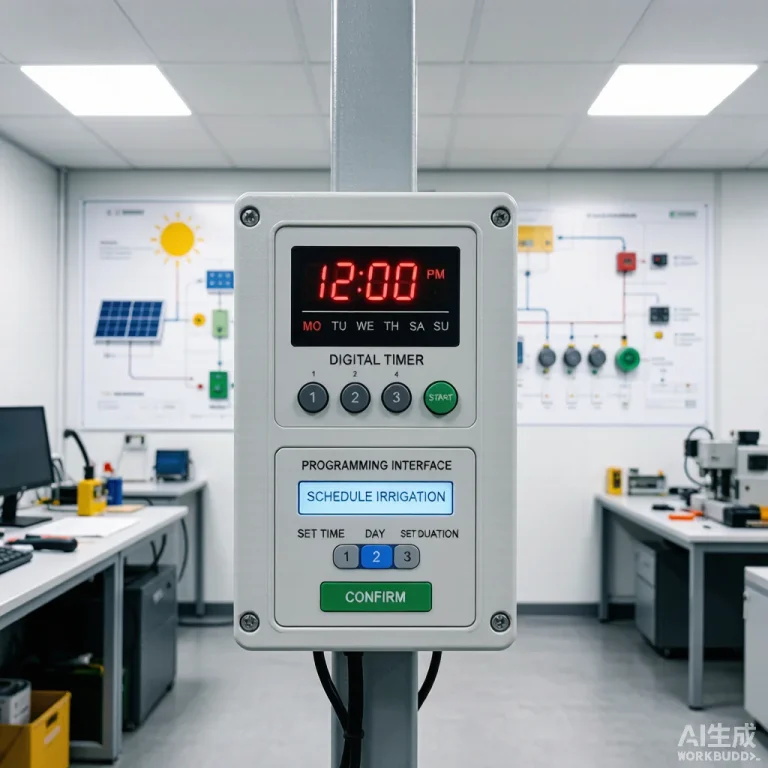
2. Solar Pump Controller (MPPT): The brain of the system. Maximum Power Point Tracking technology continuously adjusts the electrical load to extract maximum power from the panels under varying sunlight conditions. A quality MPPT controller can improve system efficiency by 30% compared to basic PWM controllers.
3. Pump Motor: Converts electrical energy into mechanical pumping action. DC brushless motors are most common for solar applications, offering high efficiency and long service life with minimal maintenance.
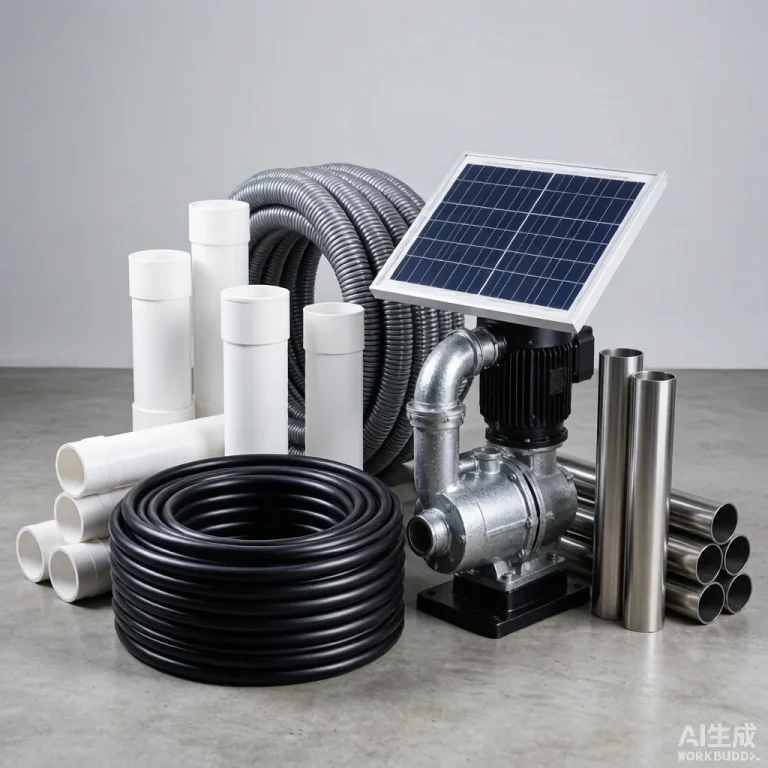
4. Pump End (Hydraulic Section): The actual water-moving mechanism – either a progressive cavity rotor-stator assembly or a centrifugal impeller stack, depending on the pump type.
The Process Step by Step
1. Sunlight hits the PV panels, generating DC electricity
2. The MPPT controller optimizes voltage and current for maximum power transfer
3. Power flows to the pump motor, which begins rotating
4. The pump end creates suction or pressure, moving water from source to destination
5. As sunlight intensity changes, the controller adjusts to maintain optimal operation
System Sizing: The key formula is: Daily Water Volume = PV Power (W) x Peak Sun Hours x Pump Efficiency / (Gravity x Total Head). Professional sizing ensures your system delivers the required water volume reliably.