How to Choose and Size Solar Water Pumps for African Potato Farms: A Practical Selection Guide
Introduction
Potatoes are a rising African staple and cash crop, but tuber set and bulking depend on steady soil moisture, especially on sandy, fast-draining soils. Knowing how to choose solar water pumps for African potato farms lets growers size a system that automates irrigation and protects bulking. KINBO provides controllers and pumps matched to farm scale and water source. This selection guide walks through the calculations and options.
Table of Contents
Why Potato Farms Suit Solar Pumping
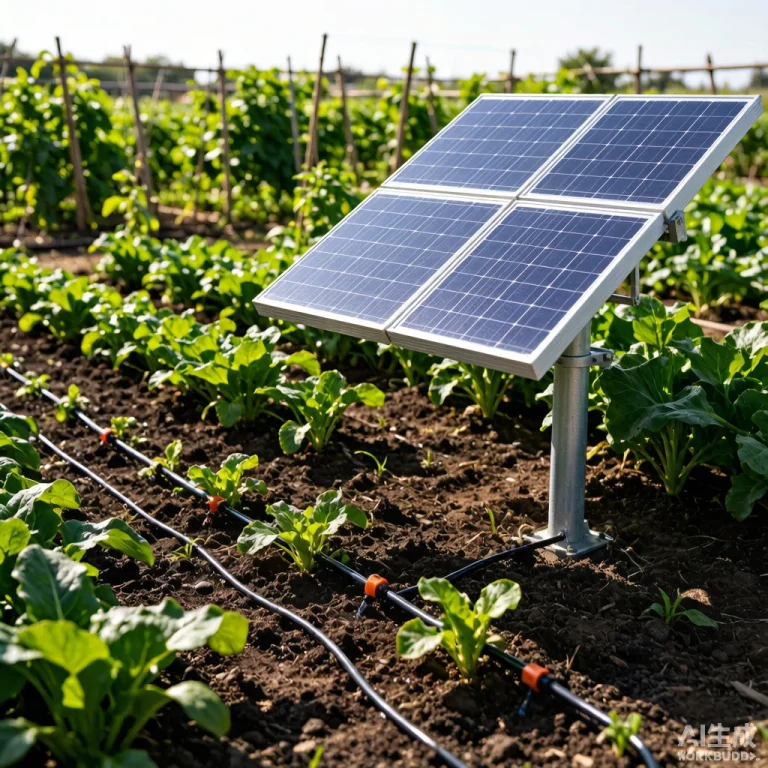
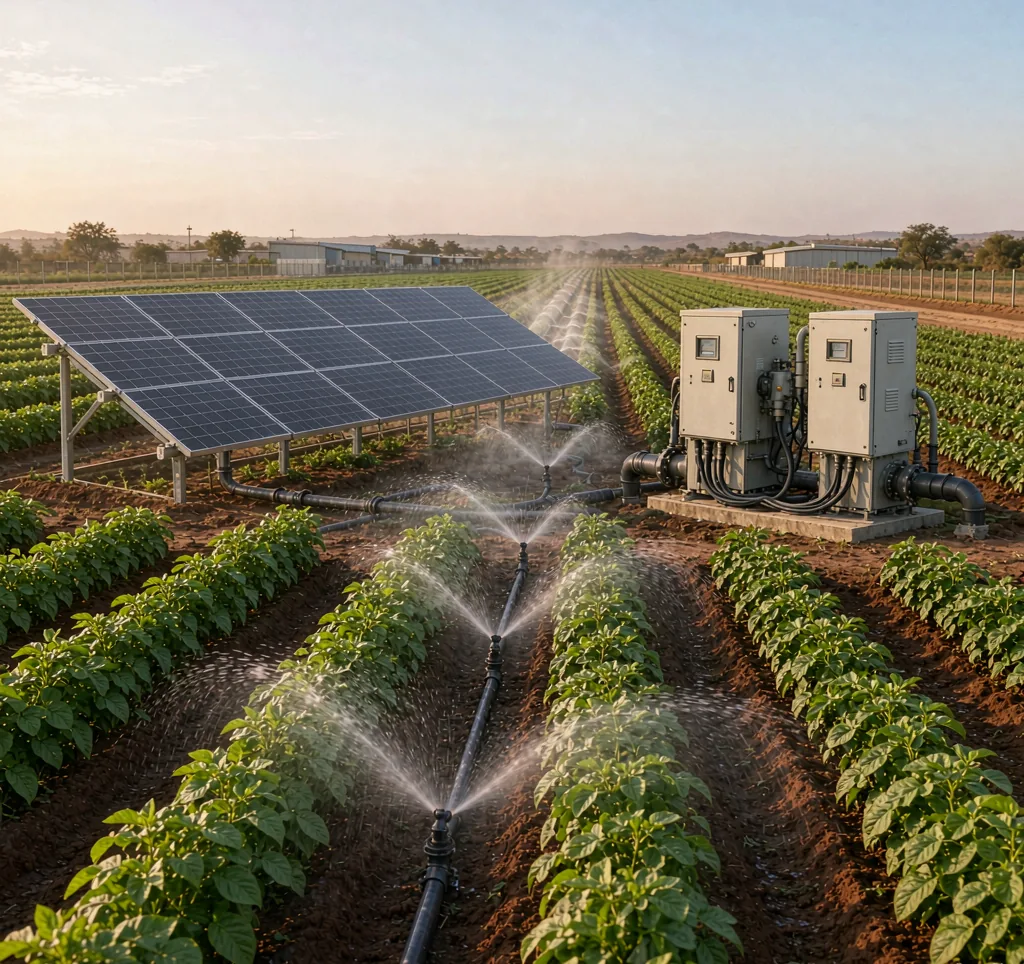
Potatoes need frequent, even watering that peaks in the hot midday, exactly when solar output is strongest. Automatic ridge or sprinkler feeding removes daily labour and raises both yield and tuber uniformity.
For a grower, removing the water bottleneck is often the cheapest way to expand area without hiring help.
Estimating Farm Water Demand
Demand depends on soil, climate and growth stage; bulking needs the most water. Estimate total litres, then convert to flow and hours.
| Farm | Daily water | Suggested flow |
|---|---|---|
| 0.5 ha sandy | 15 m3 | 0.2 L/s |
| 2 ha loam | 40 m3 | 0.4 L/s |
| 5 ha mixed | 100 m3 | 1 L/s |
Matching Pump Type to Source
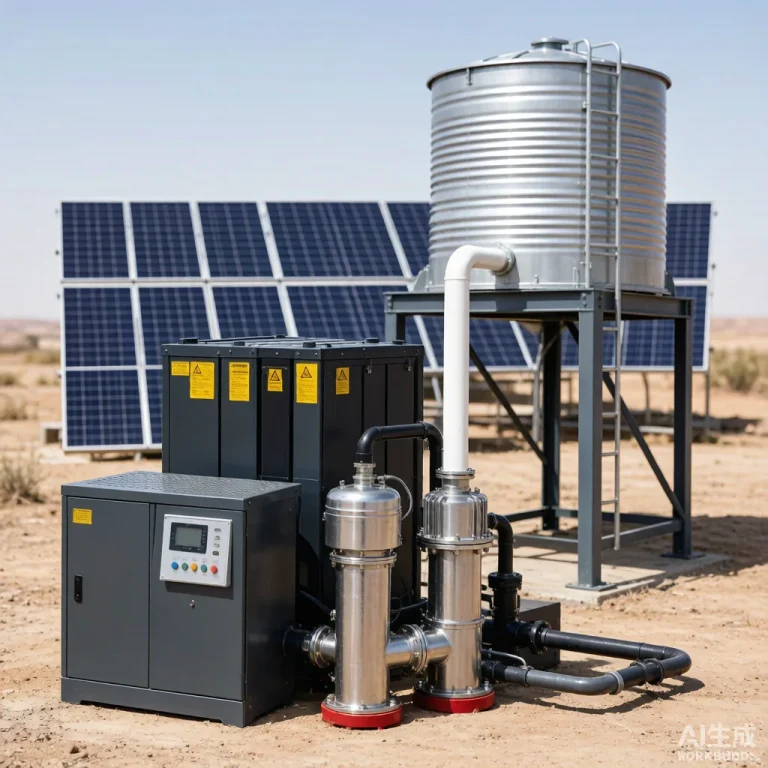
Source determines pump type. A borehole calls for a submersible; a nearby tank, well or river allows a surface pump. A clear walkthrough of how to choose a solar water pump helps match the model to depth and flow before purchase.
KINBO offers both separate-controller and integrated-controller designs so owners can pick the right complexity for a farm.
Sizing Array, Controller and Storage
Once daily litres and total head are known, size the pump, then the PV array with margin. A small tank evens out the day and covers brief cloudy periods.
- Total daily litres across beds.
- Total dynamic head (lift plus friction).
- Pump model from the curve.
- PV 25-30%% above pump watts.
- Controller rated above starting current.
Selection Checklist
Before ordering, confirm these points:
- Source type and depth (borehole, tank, or surface).
- Farm area and soil including planned expansion.
- Climate and local solar irradiance.
- Controller rating above motor start current.
- Spare-parts availability nearby.
A crop water demand reference helps set litres per bed per day so the system is neither undersized nor wasteful.
Frequently Asked Questions
How much water does a 2 ha potato farm need?
A 2 ha potato farm on loam typically needs about 40 m3 per day, rising on sandy soil and during the bulking stage.
Should I use a submersible or surface pump for potatoes?
Use a submersible when drawing from a borehole and a surface pump when the source is a nearby tank, shallow well, or river.
How many solar panels for a 5 ha potato farm?
Around 4-6 kW of PV usually covers a 5 ha potato farm with margin for heat and dust, delivering roughly 100 m3 per day.
Do I need a battery for potato irrigation?
Often not. A tank buffers the day and potatoes drink on a daylight schedule that matches solar output; batteries are added only for evening needs.
For B2B buyers potato farm solar water systems, contact KINBO for competitive FOB pricing and technical specifications.
Related Articles
- How to Choose and Size Solar Water Pumps for African Vegetable Gardens: A Practical Selection Guide
- How to Choose and Size Solar Water Pumps for African Dairy and Livestock Farms: A Selection Guide
- Explore KINBO Built-in Controller Solar Pumps