Solar Water Pumps for African Fish Processing and Cold Chain Facilities: Clean Water Supply
Introduction
Fish processing and cold chain facilities depend on abundant clean water for washing, ice making and sanitation, yet many coastal and lakeside plants sit beyond stable grid reach, and diesel delivery is fragile. Solar water pumps for African fish processing and cold chain facilities now supply the steady, clean water that food safety demands. KINBO systems pair a borehole or piped source with panels and a tank to serve halls, ice plants and cleaning. This article covers processing and hygiene uses, design, and lessons from facility deployments.
Table of Contents
Why Fish Processing Needs Reliable Water
Fish spoils fast, so processing must start within hours of catch. Water is needed for washing, gutting, ice production and constant sanitation of surfaces and equipment. An outage forces closures or unsafe practice, so backup must be automatic.
Solar pumping gives a passive safeguard: even if the grid drops, the sun keeps the tank filled through the busiest part of the day, protecting product and compliance.
Processing and Hygiene Uses
Two duties dominate. Processing lines need steady supply for washing and ice, while sanitation needs a separate flow for cleaning. Both can share one solar source with zoning.
| Use | Solar Pump | Diesel Pump |
|---|---|---|
| Uptime | High | Fuel-limited |
| Running cost | Low | High |
| Noise near line | Low | High |
System Design for Coastal Facilities
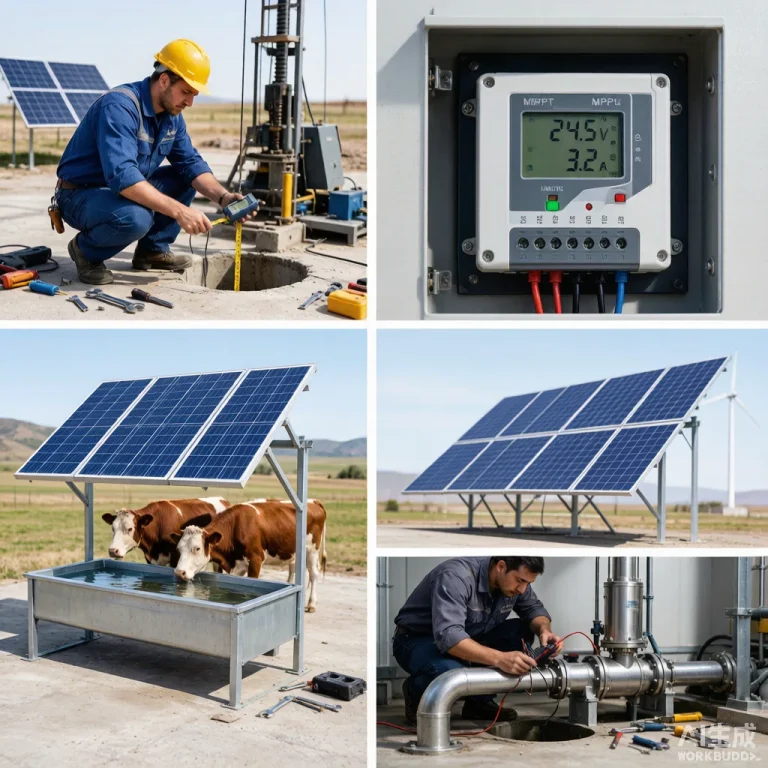
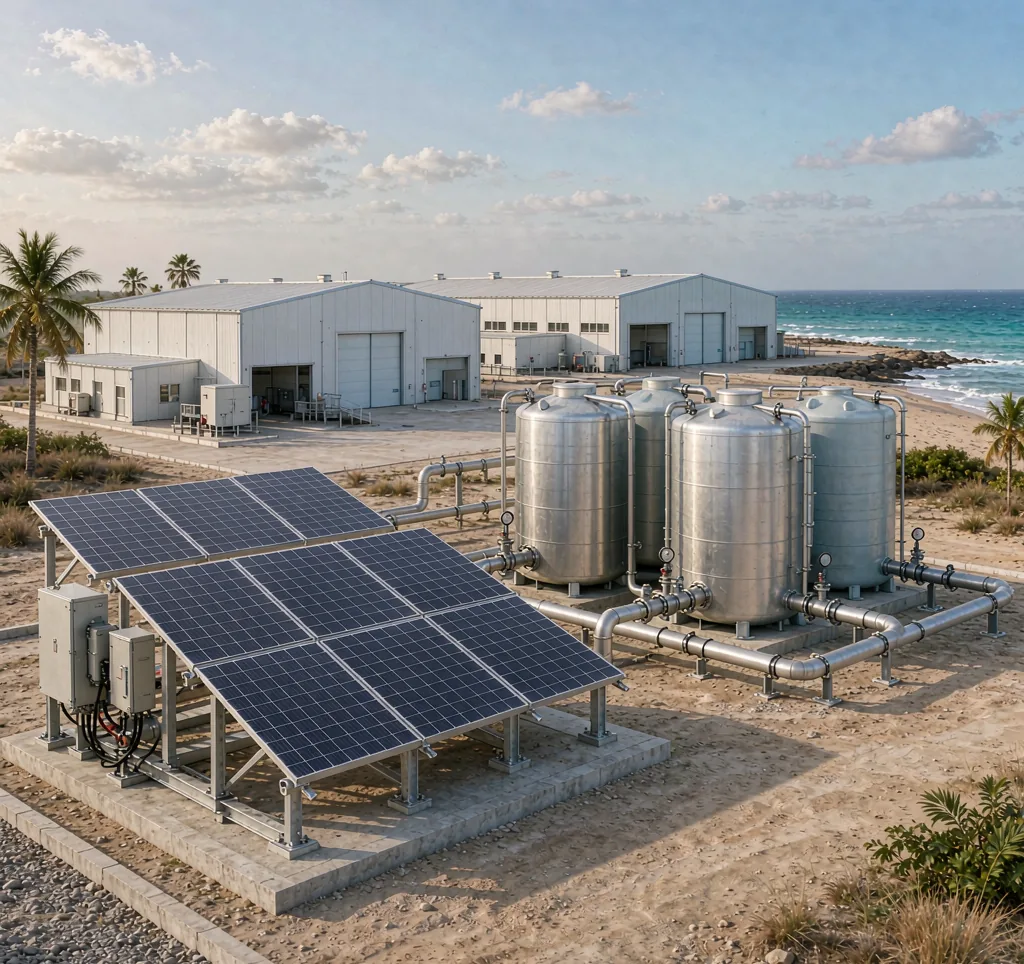
A facility usually draws from a borehole via a submersible pump into an elevated or pressurized tank, then distributes to halls and ice plant. Filtration and disinfection are essential for food-grade water.
- Borehole or piped intake with float control.
- Submersible pump with controller for steady pressure.
- Elevated or pressurized tank buffering the day.
- Filtration and disinfection before use.
Operators should anchor standards on a proven drinking water solution framework so quality never slips under load.
Sizing and Water Quality
Estimate throughput, wash water per tonne, and ice demand, then size the pump and array with margin. Water quality matters: filtration, disinfection and periodic testing protect product from contamination.
- Total daily litres by process.
- Peak flow and total dynamic head.
- Pump model from the curve.
- PV 25-30%% above pump watts.
- Tank to buffer the day and night.
Operation Lessons
Across deployments, three lessons recur. First, oversize the tank before the pump: storage is cheaper than extra panels. Second, standardize one pump family so a region shares spares. Third, train a plant operator on panel cleaning and fault checks.
KINBO‘s documented curves and simple controller help facilities verify supply without specialist staff.
Frequently Asked Questions
How much water does a fish processing plant need per day?
A small plant may use a few cubic metres per day for washing and ice, while a larger facility can exceed 30 m3 depending on throughput and sanitation load.
Can solar pumping meet food-grade water needs?
The pump supplies volume; pair it with filtration and disinfection so the water meets hygiene standards for washing, ice and sanitation.
Which KINBO pump suits a coastal plant?
A submersible borehole pump with a built-in controller is typical, feeding an elevated or pressurized tank that serves halls and the ice plant.
Do processing facilities need battery backup?
Often not. A tank buffers the day and night, and solar peaks with daytime demand, but batteries help if processing must continue after sunset.
For B2B buyers fish processing facility water systems, contact KINBO for competitive FOB pricing and technical specifications.
Related Articles
- Solar Water Pumps for African Aquaculture and Fish Farming
- Solar Water Pumps for African Health Clinics and Rural Medical Facilities
- Explore KINBO Solar Submersible Pumps