Solar Water Pumps for African Health Clinics and Rural Medical Facilities: Reliable Clean Water Supply
Introduction
A health clinic without reliable water cannot safely deliver babies, sterilize instruments, or meet basic hygiene standards. Yet many rural African facilities sit beyond stable grid reach, and diesel delivery is fragile. Solar water pumps for African health clinics now supply the steady, clean water that clinical care demands. KINBO systems pair a borehole or piped source with panels and a tank to serve wards, laundry and kitchens. This article reviews design, water treatment, and lessons from facility deployments.
Table of Contents
Why Clinics Need Reliable Water
Clinical water use is constant: handwashing sinks, sterilizers, laundry, toilets and a canteen. An outage forces closures or unsafe practice, so backup must be automatic and quiet.
Solar pumping gives a passive safeguard: even if the grid drops, the sun keeps the tank filled through the busiest part of the day, protecting patient safety.
System Design for a Clinic
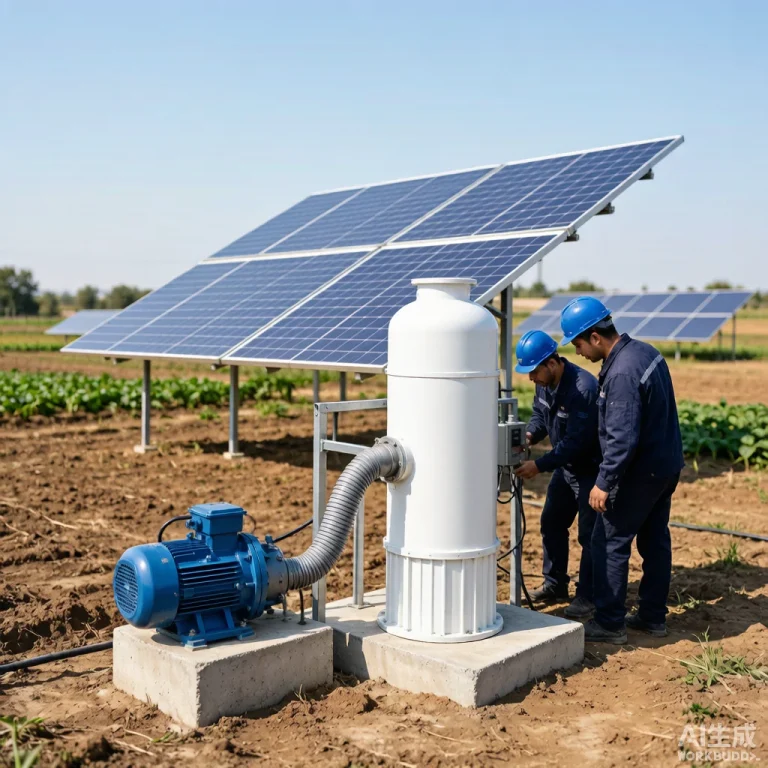
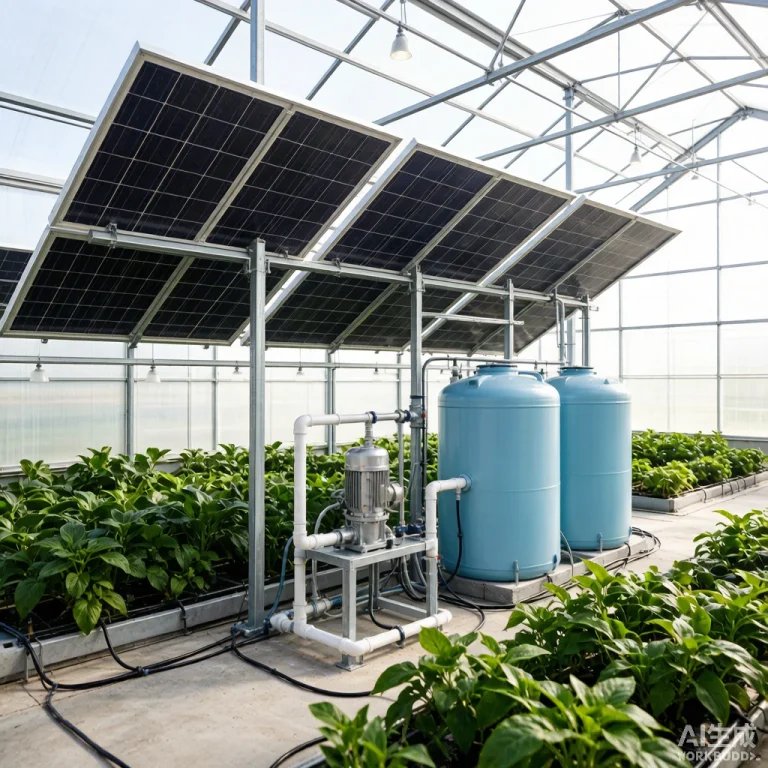
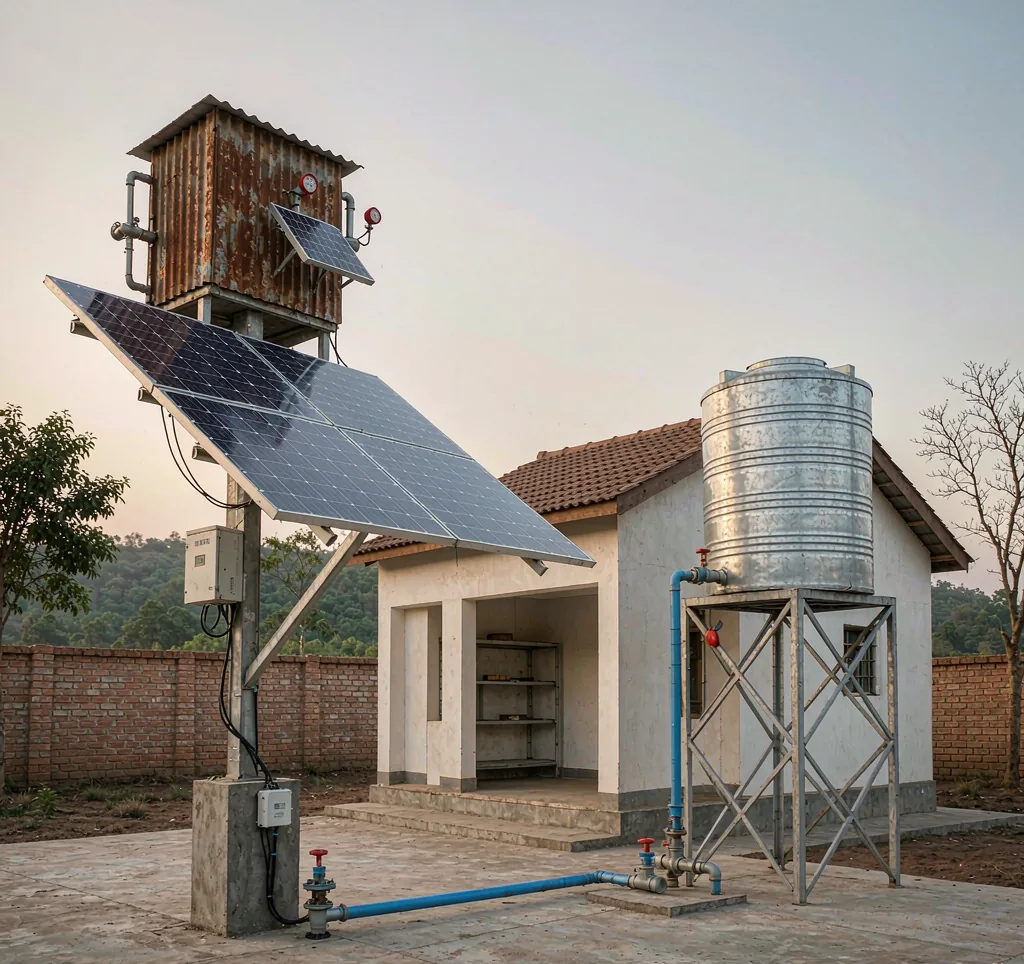
A clinic usually draws from a borehole via a submersible pump into an elevated tank, then gravity feeds the building through a small pressure set. The array is sized so the tank refills within sun hours even on a busy day.
| Parameter | Health post | District clinic |
|---|---|---|
| Daily volume | 2 m3 | 8 m3 |
| Tank | 2 m3 | 6 m3 |
| PV array | 0.8 kW | 3 kW |
Water Quality and Treatment
Clinical water must meet drinking standards, so solar pumping is only the first step. Filtration, disinfection and periodic testing protect patients from waterborne infection.
- Source protection around the borehole head.
- Filtration to remove sediment and pathogens.
- Disinfection (UV or chlorination) before use.
- Testing on a fixed schedule.
Operators should anchor standards on a proven drinking water solution framework so quality never slips under load.
Sizing and Operation
Estimate daily litres across wards, laundry and kitchen, add peak handwashing, then size the pump and array with margin. A clear duty log lets engineers verify pressure at the farthest tap.
- Total daily litres by service.
- Peak flow and total dynamic head.
- Pump model from the curve.
- PV 25-30%% above pump watts.
- Tank to buffer the day and night.
Operation Lessons
Across deployments, three lessons recur. First, oversize the tank before the pump: storage is cheaper than extra panels. Second, standardize one pump family so a district shares spares. Third, train a clinician-adjacent operator on panel cleaning and fault checks.
KINBO‘s documented curves and simple controller help facilities verify supply without specialist staff.
Frequently Asked Questions
How much water does a rural clinic need per day?
A small health post may use around 2 m3 per day, while a district clinic with laundry and sterilization can exceed 8 m3, depending on services offered.
Can solar pumping meet clinical water quality needs?
The pump supplies volume; pair it with filtration and disinfection so the water meets drinking standards for handwashing, sterilization and drinking.
Do clinics need battery backup for water?
Often not. An elevated tank buffers the day and night, and solar peaks with daytime demand, but batteries help if a ward needs pressure after dark.
Which KINBO pump suits a health post?
A submersible borehole pump with a built-in controller is typical for a health post, feeding an elevated tank that gravity-serves the building.
For B2B buyers clinic and medical facility water systems, contact KINBO for competitive FOB pricing and technical specifications.
Related Articles
- Solar Water Supply Systems for Rural Villages in Africa
- Solar-Powered Emergency Water Supply Systems for Humanitarian Relief and Disaster Response in Africa
- Explore KINBO Solar Submersible Pumps