Solar Water Pumps for Rural Health Clinics and Health Posts: Clean Water for Care Without Grid Power
Introduction
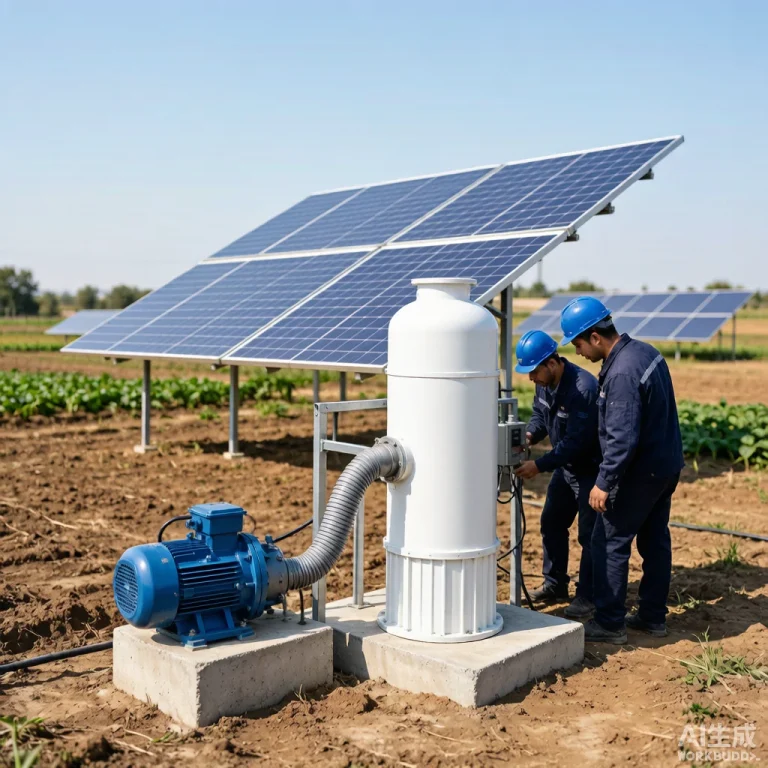
A health post without reliable water cannot safely deliver babies, treat wounds or sterilize instruments. Yet most rural clinics sit beyond the grid. A KINBO solar water pump delivers the water clinical care depends on, without diesel generators that fail at the worst moment. This article explains why clinics need dedicated supply, system design, water treatment, reliability for patient safety and simple maintenance.
Table of Contents
Why Clinics Need Dedicated Supply
Clinics use water for drinking, hand hygiene, sanitation, laundry and instrument cleaning – far more per person than a household. Interruptions directly raise infection and maternal risk.
Grid outages are common in remote areas, and diesel is costly and intermittent. Solar pumping aligns with daytime clinic activity and a battery or tank covers nights and surgery slots.
A sound drinking water solution underpins every safe procedure a clinic performs.
System Design for a Health Post
Size to peak clinical demand plus a hygiene reserve, then to head from source to a roof or header tank. A submersible serves a borehole; a surface pump serves a spring or collected rainwater.
| Use | Priority |
|---|---|
| Delivery room | Highest |
| Hand hygiene | Continuous |
| Laundry | Flexible |
Redundancy matters: a backup controller or small generator protects operating sessions.
Treatment for Clinical Safety
Clinic water must meet drinking standards even when used for washing. Multi-barrier treatment – filtration plus disinfection – is the norm, with separate lines for potable and utility use where possible.
Regular testing catches contamination before it reaches a patient. A community kiosk model shows how monitored treatment scales to a served population.
KINBO advises sizing treatment to peak flow so quality never drops when demand spikes.
Reliability for Patient Safety
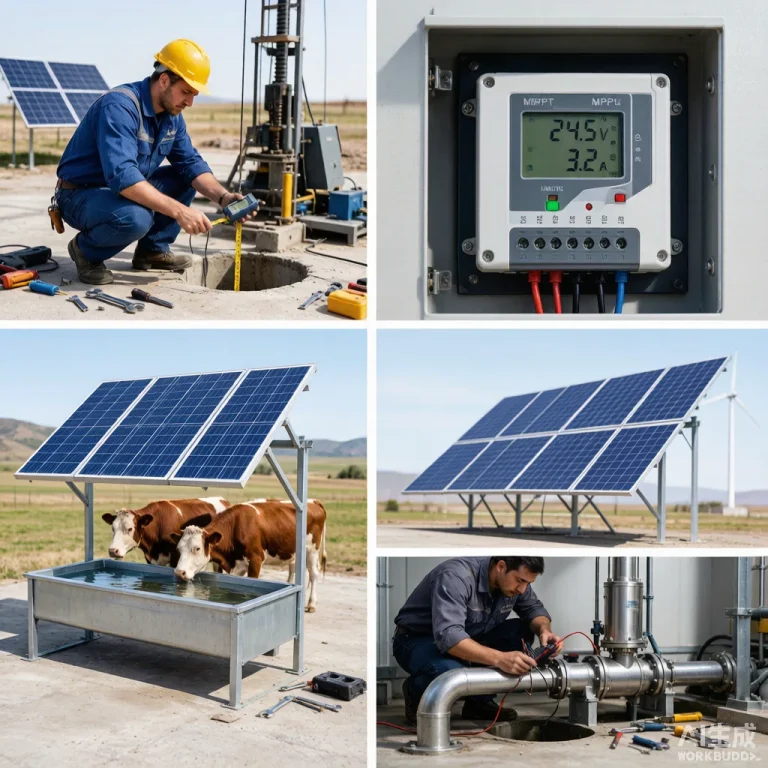
Reliability is a clinical specification, not a nice-to-have. Dry-run protection, voltage guarding and alarm outputs keep the pump from failing silently during a procedure.
Remote alerts notify a district hub of faults, so a technician arrives before the tank empties. Documented curves let a biomedical officer verify performance without specialized tools.
A controller settings review keeps protection aligned with the real array.
Simple Maintenance
Train a clinic assistant on a short checklist: strainer cleaning, panel wiping, tank level checks and fault-log review. Keep a spare controller on the shelf.
A preventive maintenance checklist sustains safe supply between visits from the supporting NGO or ministry.
Log every intervention; the record is the clinic’s evidence of water safety for auditors and funders.
Frequently Asked Questions
Why do rural clinics need dedicated solar water supply?
Clinics use far more water per person than households for care, hygiene and sterilization; solar removes grid and diesel dependency that risks infection and maternal outcomes.
How should a clinic system be designed?
Size to peak clinical demand plus a hygiene reserve and to head from source to a header tank, with redundancy such as a backup controller for operating sessions.
What treatment does clinic water need?
Multi-barrier filtration plus disinfection to drinking standard, with separate potable and utility lines where possible and regular testing to catch contamination early.
How is clinic pump reliability ensured?
Dry-run protection, voltage guarding, alarm outputs and remote fault alerts keep the pump from failing silently during procedures, with documented curves for verification.
For B2B buyers solar pumps for rural health clinics, contact KINBO for competitive FOB pricing and technical specifications.
Related Articles
- Solar Water Pumps for African Water Kiosks and Pay-As-You-Go Community Water Supply Systems
- Solar Water Supply Systems for Rural Villages in Africa
- Explore KINBO Solar Submersible Pumps