Solar Water Pumps for Refugee Camps and Displaced Communities: Reliable Water Supply in Crisis Settings
Introduction
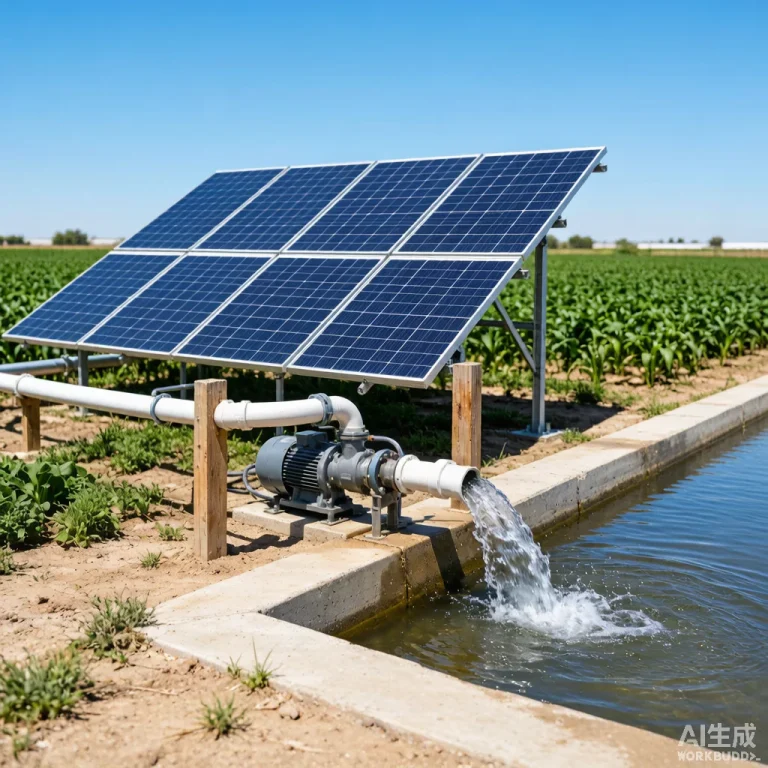
Displacement sites concentrate thousands of people with urgent, continuous water needs and almost no reliable fuel or grid. A KINBO solar water pump removes the diesel dependency that breaks down in crises, delivering safe water from boreholes, springs or treated sources. This article covers why solar fits camps, typical system designs, safe water considerations, operation in harsh conditions and maintenance with limited local skills.
Table of Contents
Why Solar Fits Displacement Sites
Camps are often far from infrastructure, and fuel deliveries are unreliable during conflict or disaster. Solar pumping runs on the one resource camps usually have in abundance: sun. No fuel convoys means water keeps flowing when supply lines fail.
Because demand is steady and daytime-aligned, a modest array with storage covers drinking, cooking and hygiene needs. A robust drinking water solution framework pairs pumping with treatment for health.
KINBO builds units that tolerate dust, heat and rough handling typical of rapid deployments.
Typical System Design
A camp layout pairs a submersible or surface pump with a PV array, controller and an elevated tank that gravity-feeds tap stands. The tank buffers night and cloudy periods so taps never run dry.
| Element | Role |
|---|---|
| Pump + source | Lift and move water |
| Elevated tank | Pressure + buffer |
| Tap stands | Controlled distribution |
Sizing to litres per person per day, with margin for heat, keeps the system adequate as the population grows.
Safe Water Considerations
Quantity is not enough; water must be safe. Pair pumping with filtration and disinfection, and protect the source from contamination by animals and sewage.
Closed, elevated tanks reduce tampering and recontamination versus open containers. Regular chlorine or UV treatment, sampled routinely, prevents outbreaks that overwhelm camp clinics.
A rural village supply approach offers transferable lessons on keeping community water safe.
Operating in Harsh Conditions
Camps face dust storms, extreme heat and intermittent skilled staff. Choose sealed, brushless drives and enclosed controllers that survive the environment with minimal attention.
Remote monitoring lets an NGO hub watch multiple sites from one dashboard, dispatching a technician only when a real fault appears rather than on a fixed, costly schedule.
KINBO documents fault codes in plain language so non-specialists can act before a total failure.
Maintenance with Limited Skills
Design for the lowest common denominator: simple strainers, clear labels and a short picture-based checklist any trained resident can follow. Keep one spare rotating assembly on site.
A basic maintenance checklist turns vague worry into a repeatable routine that sustains supply for years.
Train two people per shift so knowledge is never lost when one leaves, a constant risk in transient camps.
Frequently Asked Questions
Why use solar pumps in refugee camps?
Camps lack reliable fuel and grid; solar runs on abundant sun, removing diesel dependency so water keeps flowing when supply lines fail during crisis.
What is a typical camp water system design?
A submersible or surface pump, PV array and controller feed an elevated tank that gravity-distributes water to tap stands, buffering night and cloudy periods.
How is camp water kept safe?
Pair pumping with filtration and disinfection, use closed elevated tanks to prevent recontamination, and sample-treated water routinely to avoid outbreaks.
How is maintenance handled with few skilled staff?
Use simple, labeled, picture-based checklists, keep one spare rotating assembly on site, and train two people per shift so knowledge is not lost.
For B2B buyers solar pumps for refugee and displaced communities, contact KINBO for competitive FOB pricing and technical specifications.
Related Articles
- Solar Water Supply Systems for Rural Villages in Africa
- Solar Pump Stations for District Applications: Designing Community Water Supply Systems at Scale
- Explore KINBO Solar Submersible Pumps