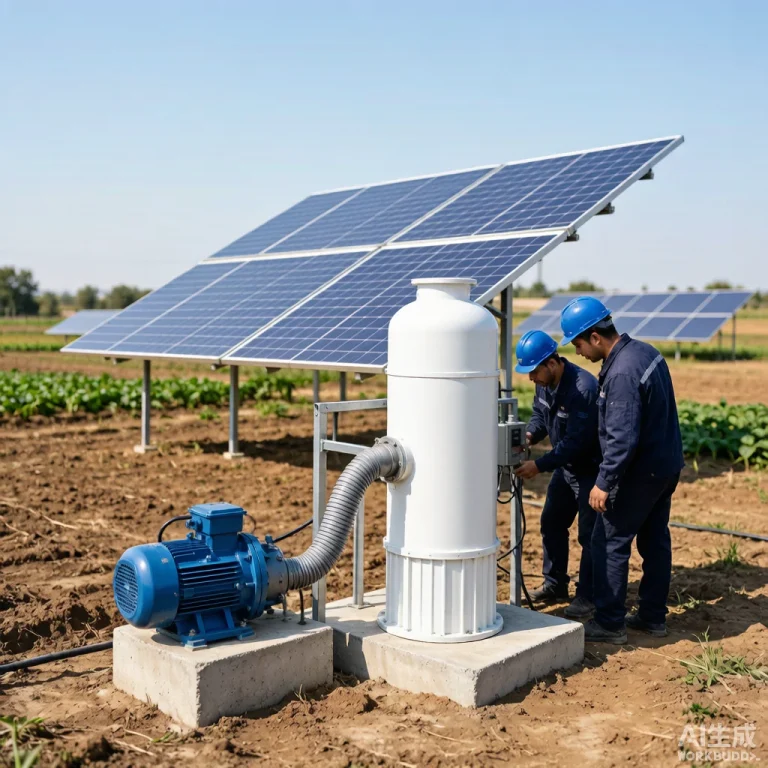
Gold Recovery Water Recycling Pumps: Recirculation Systems to Save Water and Concentrate Recovery
Introduction
Water is often scarce on a gold claim, yet recovery needs a lot of it. Recirculation – pumping settled, clarified water back through the circuit – cuts draw from the source and protects the environment. KINBO designs recycling pumps for this loop. This article covers why recycle, system design, the recirculation pump, a comparison of approaches, and benefits with payback.
Table of Contents
Why Recycle Water in Gold Recovery
Dragging water from a creek stresses both the claim and the ecosystem, and in dry regions the source may simply run out mid-season. Recirculation keeps the same water working instead of discharging it.
Closed loops also concentrate any process inputs in a controlled pond rather than releasing them, which simplifies compliance and neighbor relations.
For the operator, less source water means a smaller intake pump and lower energy for lifting from depth.
Recirculation System Design
A recycling circuit pairs the wash duty with a settling pond and a return pump. Solids drop out in the pond; clarified water is lifted back to the header tank to feed the sluice or trommel again.
- Settling pond: clarifies by gravity, protects pump.
- Return pump: lifts clarified water to the head.
- Header tank: smooths the sluice feed.
Periodic desludging of the pond keeps capacity and avoids the pump drawing settled fines.
The Pump for Recirculation
The recycling pump handles clarified but still silty water, so it needs moderate solids tolerance and stable flow rather than extreme pressure. A surface pump at the pond edge is easiest to service.
Solar drive suits the daytime loop perfectly, and a small buffer covers gaps. Match the pump to the circuit’s circulation rate, not peak wash demand alone.
KINBO sizes the return pump to the pond’s clarified yield so the loop stays balanced through the day. A pump selection guide helps size the return pump to the pond’s clarified yield.
Compare Approaches
The table contrasts once-through versus recirculation.
| Approach | Water use | Source impact |
|---|---|---|
| Once-through | High | High |
| Recirculation | Low | Low |
Recirculation needs an extra pump and pond, but pays back where water is limited or regulated.
Benefits and Payback
Benefits are lower source draw, steadier supply during dry spells, easier compliance and often a smaller intake pump. The recycling pump and pond cost is recovered through saved lifting energy and uninterrupted runs.
For dry-region claims the payback is fastest, since without recycling the season simply ends early. A pump type comparison helps place the return unit.
Operators report that a balanced loop also improves recovery, because flow stays consistent instead of varying with source level.
Frequently Asked Questions
Why recycle water in gold recovery?
Recirculation cuts draw from a often-scarce source, protects the ecosystem, keeps the loop running in dry spells, and concentrates process inputs for easier compliance.
What does a recirculation system include?
A settling pond that clarifies by gravity, a return pump lifting clarified water to a header tank, and the wash duty itself, with periodic pond desludging to keep capacity.
What pump is best for recirculation?
A surface pump at the pond edge with moderate solids tolerance and stable flow, solar-driven for the daytime loop, sized to the circuit’s circulation rate.
Does water recycling pay back?
Yes where water is limited or regulated: lower source draw, smaller intake pump, steadier supply and easier compliance recover the pond and pump cost, fastest in dry regions.
For B2B buyers gold recovery water recycling pumps, contact KINBO for competitive FOB pricing and technical specifications.
Related Articles
- Solar Submersible vs Surface Pumps: How to Choose the Right Pump Type for Your Water Source
- Solar Pump Head Calculation: How to Size Static Lift, Friction Loss and Total Dynamic Head Correctly
- Explore KINBO Solar Submersible Pumps