Middle East Solar Water Pump Market Analysis and Growth Trends 2026
Introduction
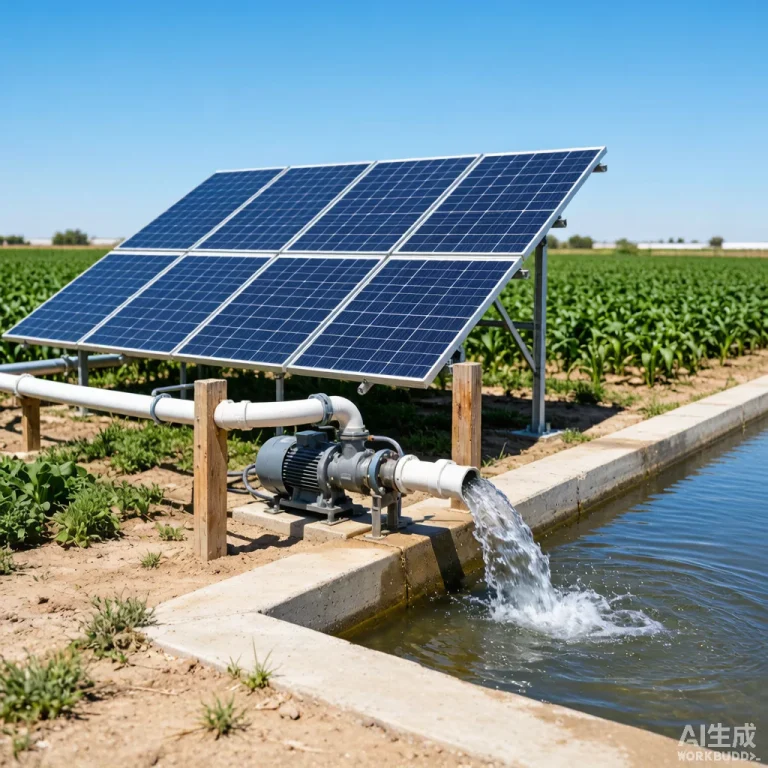
The Middle East solar water pump market is experiencing unprecedented growth as nations across the region confront mounting water scarcity challenges while simultaneously leveraging their exceptional solar irradiance levels. According to recent industry research, the regional market is projected to surpass USD 1.8 billion by 2028, expanding at a compound annual growth rate of over 9.4% from 2026 onward. Governments in Saudi Arabia, the UAE, and Egypt are accelerating investments in renewable-powered water infrastructure under ambitious national vision plans, creating substantial procurement opportunities for international suppliers.
For B2B buyers and distributors seeking reliable manufacturing partners, KINBO offers a proven portfolio of solar water pumping solutions engineered for the harsh climatic conditions prevalent across MENA markets. Our systems are designed to withstand extreme ambient temperatures, dust-laden environments, and variable groundwater depths that characterize the region’s geography. Before diving into the market analysis, we recommend reviewing our solar pump maintenance guide to better understand the operational considerations specific to arid-zone deployments.
Table of Contents
Middle East Solar Pump Market Overview
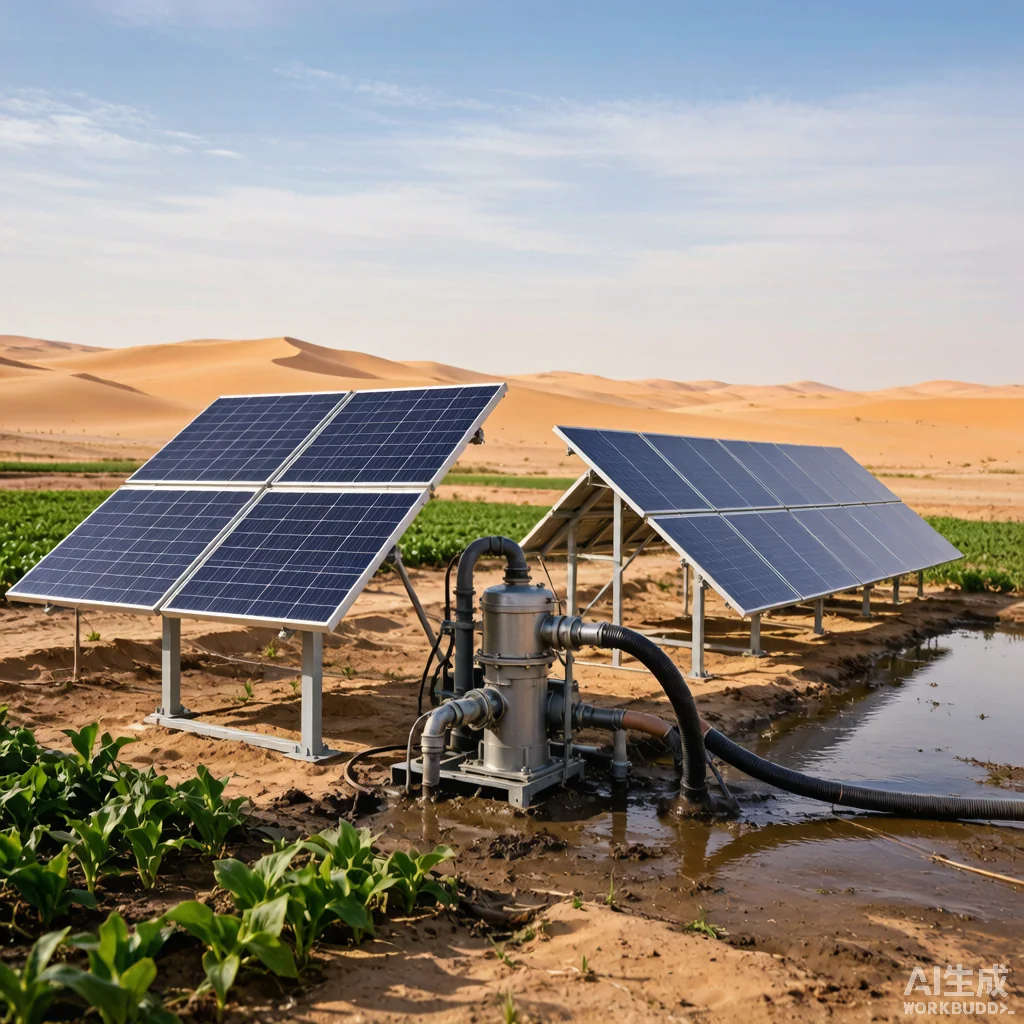
The Middle East and North Africa (MENA) region represents one of the world’s most dynamic markets for solar-powered water pumping systems. In 2025, the regional market was valued at approximately USD 1.1 billion, and forecasts indicate sustained double-digit expansion through the remainder of the decade. Several converging factors — including declining photovoltaic module costs, tightening energy budgets, and escalating food security concerns — have positioned solar pumping as a strategic infrastructure priority rather than a niche sustainability initiative.
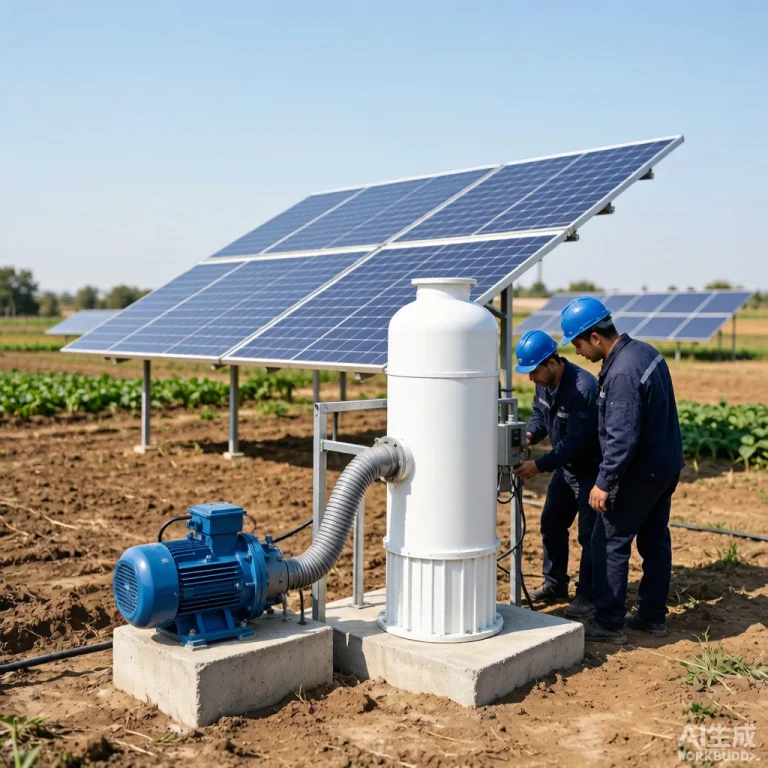
Saudi Arabia leads the regional market, driven by its Vision 2030 framework and the Sustainable Agricultural Rural Development Programme, which actively subsidizes solar-powered irrigation for farms replacing diesel systems. The Kingdom’s Ministry of Environment, Water and Agriculture has committed to converting over 35,000 agricultural wells to solar power within the current planning cycle. The UAE follows closely, with the Ras Al Khaimah and Abu Dhabi municipal authorities spearheading off-grid solar pumping deployments for remote water supply and landscaping irrigation.
Egypt has emerged as the fastest-growing market, with the New Valley governorate and Toshka reclamation projects creating large-scale demand for high-head solar submersible pumps. Jordan continues to expand its solar pumping footprint through the Jordanian Ministry of Water and Irrigation’s rural electrification programs, while Morocco’s Green Generation Plan (Plan Maroc Vert) has incentivized thousands of smallholder farms to adopt solar irrigation across the Souss-Massa and Fès-Meknès regions. Collectively, these five markets account for over 78% of regional solar pump procurement volume.
Key Growth Drivers
Four structural drivers underpin the sustained expansion of the Middle East solar water pump market:
- Acute water scarcity: The MENA region holds nearly half the world’s desalination capacity yet faces a per-capita water availability rate that is already below the absolute scarcity threshold of 500 cubic meters per year. Solar pumping enables cost-effective extraction from deeper aquifers that diesel systems cannot economically reach.
- Exceptional solar irradiance: The region records global horizontal irradiance (GHI) levels of 2,100 to 2,500 kWh/m²/year — among the highest worldwide — ensuring that solar pumping systems achieve payback periods of 3 to 5 years compared to 7+ years in temperate climates.
- Government vision plans and subsidies: Saudi Vision 2030, UAE Net Zero 2050, Egypt’s Integrated Sustainable Energy Strategy, and Morocco’s National Energy Strategy all include explicit targets for renewable-powered agricultural infrastructure, often paired with direct capital subsidies covering 40–60% of system costs.
- Agricultural modernization and food security: Post-pandemic supply chain disruptions accelerated regional food self-sufficiency mandates, driving expansion of irrigated farmland in Egypt, Saudi Arabia, and Morocco — each requiring reliable, off-grid water lifting solutions.
Market Segmentation by Application
The Middle East solar pump market can be segmented across four primary application categories. Each segment presents distinct technical requirements, procurement cycles, and competitive dynamics that B2B buyers must understand before entering specific national markets.
| Segment | Market Share | Growth Rate (CAGR) | Key Countries | Typical Pump Power Range |
|---|---|---|---|---|
| Agricultural Irrigation | ~52% | 10.2% | Egypt, Saudi Arabia, Morocco | 1.5 – 75 kW |
| Desalination Support | ~21% | 8.7% | UAE, Saudi Arabia, Oman | 15 – 150 kW |
| Municipal Water Supply | ~17% | 7.9% | Jordan, Egypt, UAE | 3 – 55 kW |
| Industrial & Livestock | ~10% | 6.5% | Saudi Arabia, Oman, Morocco | 5 – 110 kW |
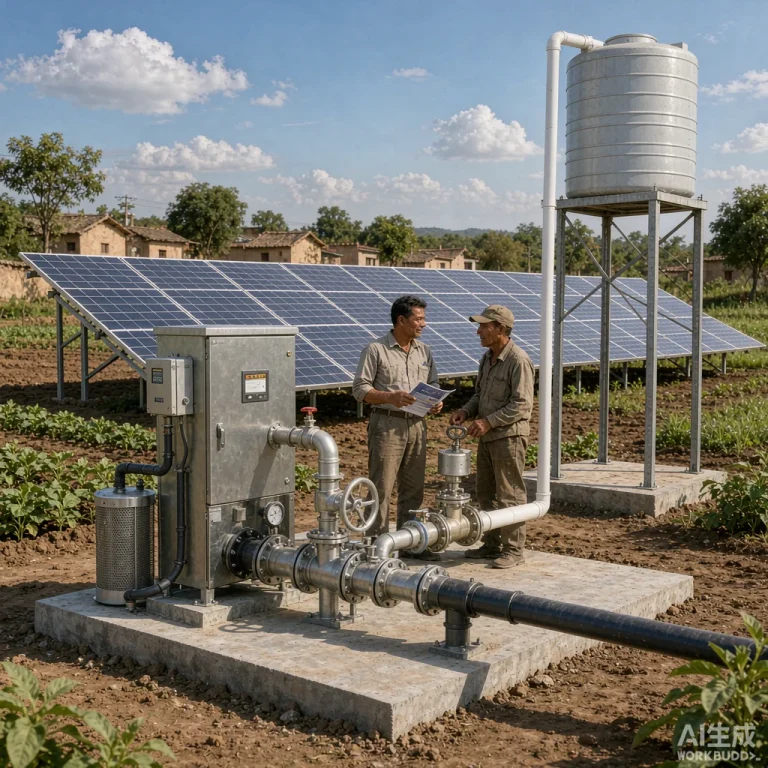
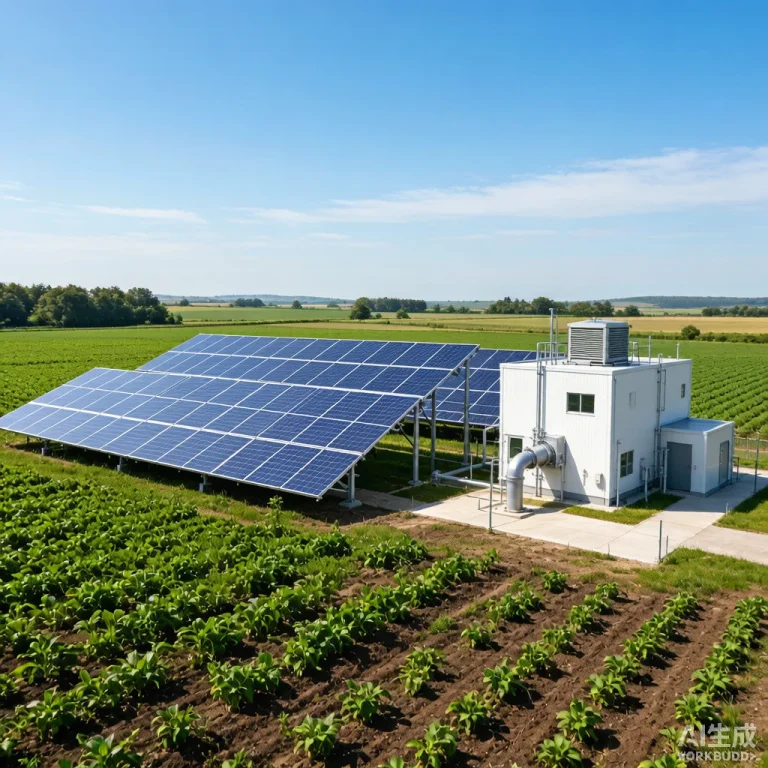
Agricultural irrigation dominates the segment mix and is projected to retain its lead, driven by large-scale land reclamation projects in Egypt’s Toshka basin and Saudi Arabia’s Al-Jouf agricultural zone. Desalination support is gaining traction as Gulf Cooperation Council (GCC) nations increasingly pair reverse osmosis plants with solar power arrays, requiring high-capacity booster and transfer pumps that can operate reliably under continuous-duty cycles. Municipal water supply applications — particularly in Jordan’s refugee-hosting northern governorates — demand durable, low-maintenance surface and submersible solar pumps certified for potable water contact.
Competitive Landscape and Import Trends
The Middle East solar pump market is characterized by a mix of European premium brands, Chinese volume manufacturers, and emerging regional assemblers. European suppliers maintain a strong presence in high-specification municipal and desalination projects, where IE5 efficiency ratings and extended warranty coverage are non-negotiable. Chinese manufacturers — including KINBO — dominate the agricultural irrigation segment, offering competitive FOB pricing, configurable power ranges, and compliance with the region’s core certification requirements.
Key import considerations for B2B buyers include:
- Certification requirements: SASO (Saudi Standards, Metrology and Quality Organization) certification is mandatory for Saudi Arabia. The UAE requires ESMA conformity, while Egypt enforces GOEIC registration. Morocco and Jordan accept CE-marked products with supplementary import documentation.
- Tariff structures: Most GCC countries impose 5% import duties on solar pumping equipment, though agricultural-grade systems often qualify for duty exemptions under national food security programs. Egypt applies a 10–20% customs rate, offset by new and renewable energy authority (NREA) rebates for certified projects.
- Distribution channels: The dominant go-to-market models include authorized distributor partnerships, EPC contractor procurement, and government tender frameworks. Establishing a local service partner is essential for after-sales support and warranty fulfillment.
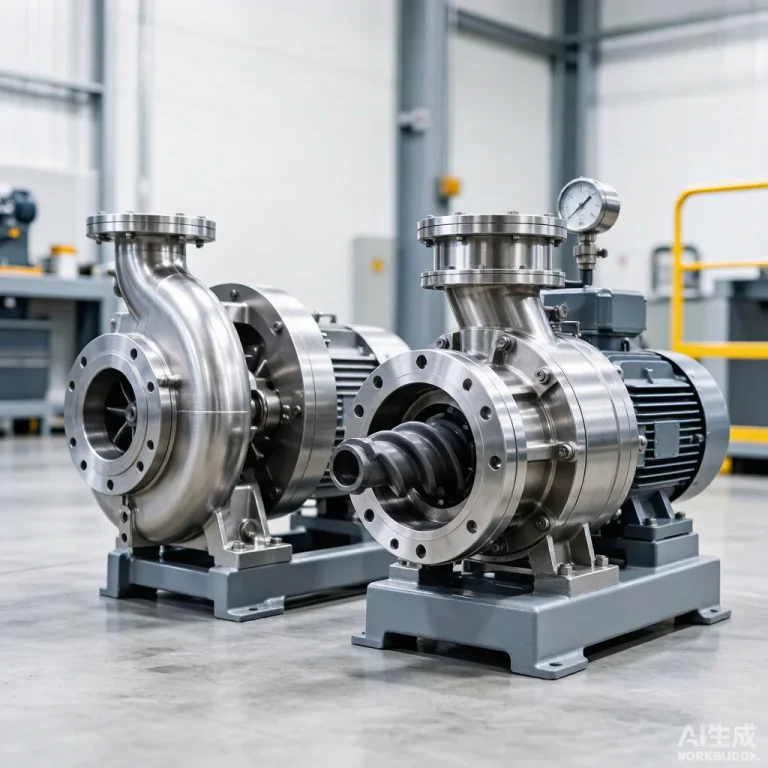
- Technical preferences: Brushless DC (BLDC) solar submersible pumps with MPPT controllers are increasingly preferred for their efficiency and remote monitoring capabilities. Systems compatible with hybrid power inputs (solar + grid backup) are gaining specification traction in municipal tenders.
Frequently Asked Questions
1. What is the current size of the Middle East solar water pump market?
As of 2025, the Middle East and North Africa solar water pump market was valued at approximately USD 1.1 billion. It is projected to grow at a CAGR of 9.4% through 2028, reaching over USD 1.8 billion. Agricultural irrigation accounts for the largest share, followed by desalination support and municipal water supply applications.
2. Which Middle Eastern countries offer the best opportunities for solar pump suppliers?
Saudi Arabia, Egypt, and the UAE represent the three largest procurement markets. Saudi Arabia leads due to Vision 2030 agricultural conversion programs, Egypt offers the highest growth rate driven by large reclamation projects, and the UAE focuses on high-value municipal and desalination applications. Jordan and Morocco are strong secondary markets with active government subsidy frameworks.
3. What certifications are required to export solar pumps to the Middle East?
Requirements vary by country: Saudi Arabia mandates SASO certification, the UAE requires ESMA conformity assessment, and Egypt enforces GOEIC registration. For Morocco and Jordan, CE marking with supplementary import documentation is generally accepted. Working with a manufacturer that maintains pre-completed certification dossiers — as KINBO does — significantly reduces import lead times.
For B2B buyers targeting Middle East solar pump markets, contact KINBO for competitive FOB pricing and technical specifications.
August 12, 2026 | Author: KINBO Editorial Team