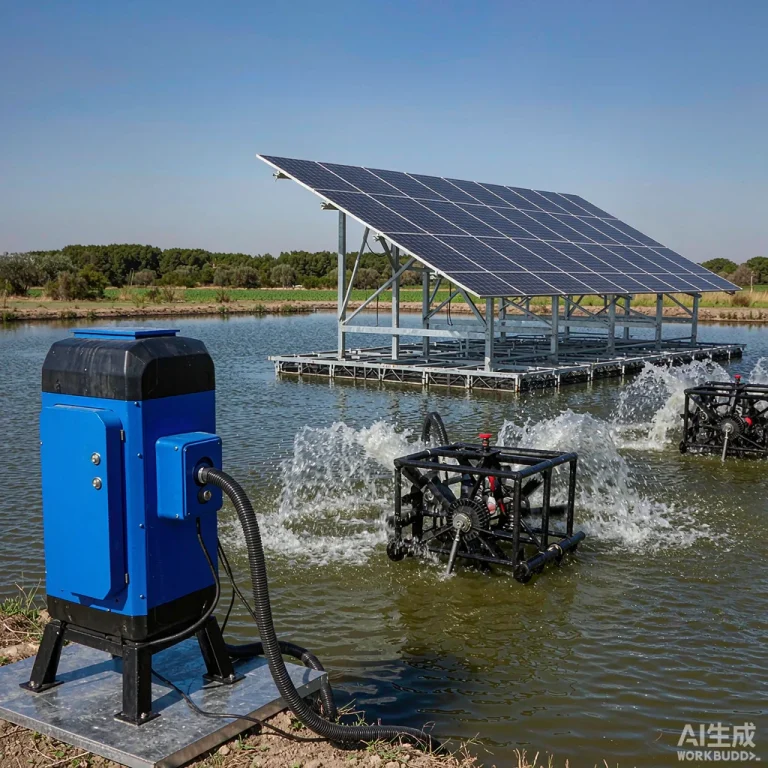
Solar Water Pumps for Surface Water Intake: Designing Reliable Pumping from Rivers, Lakes and Ponds
Introduction
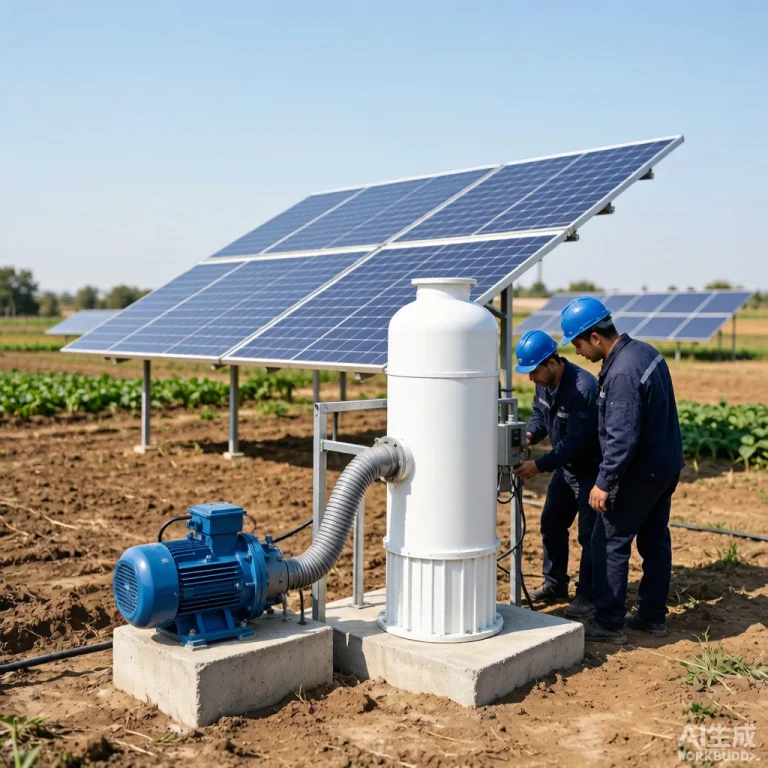
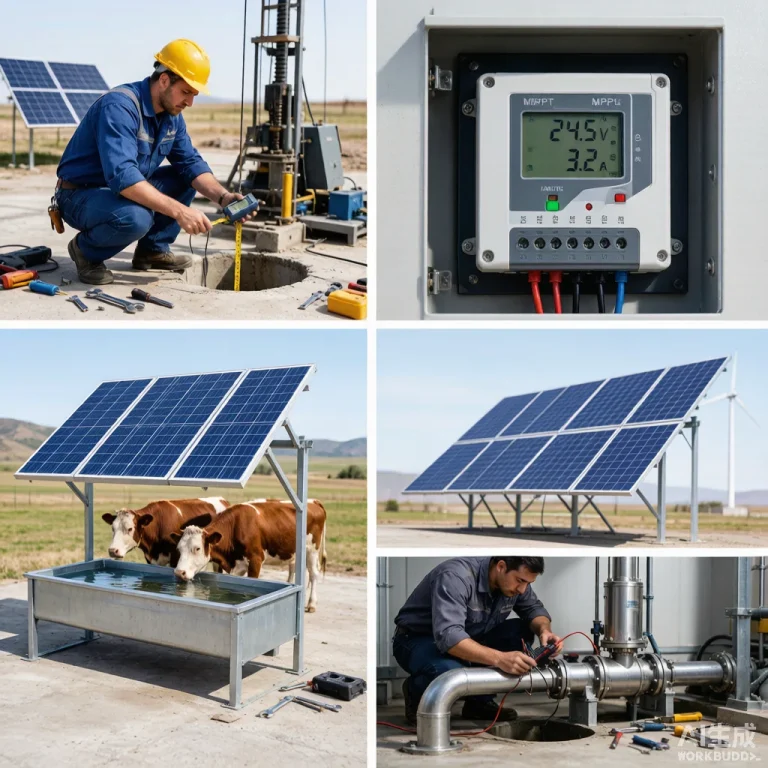
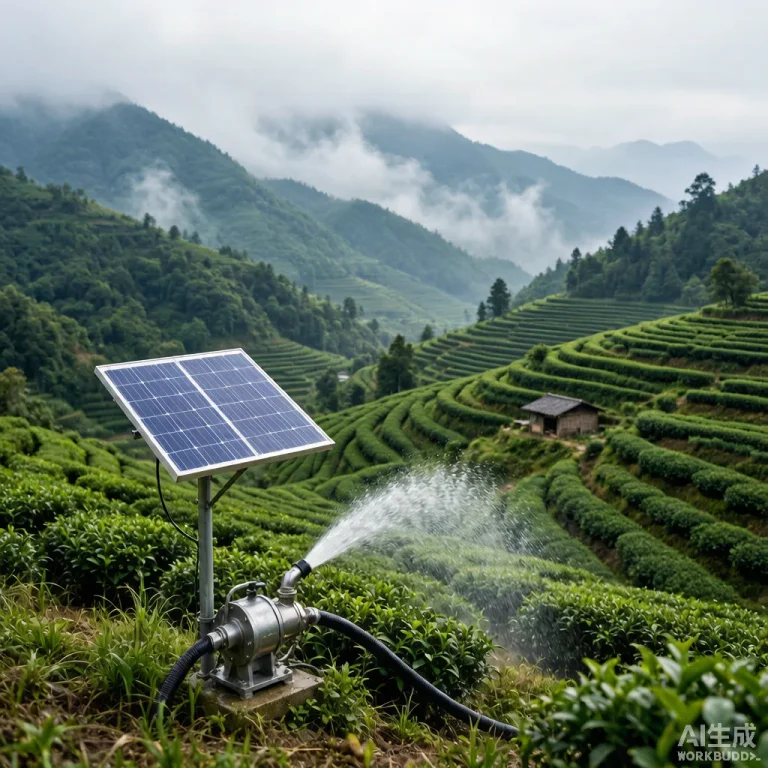
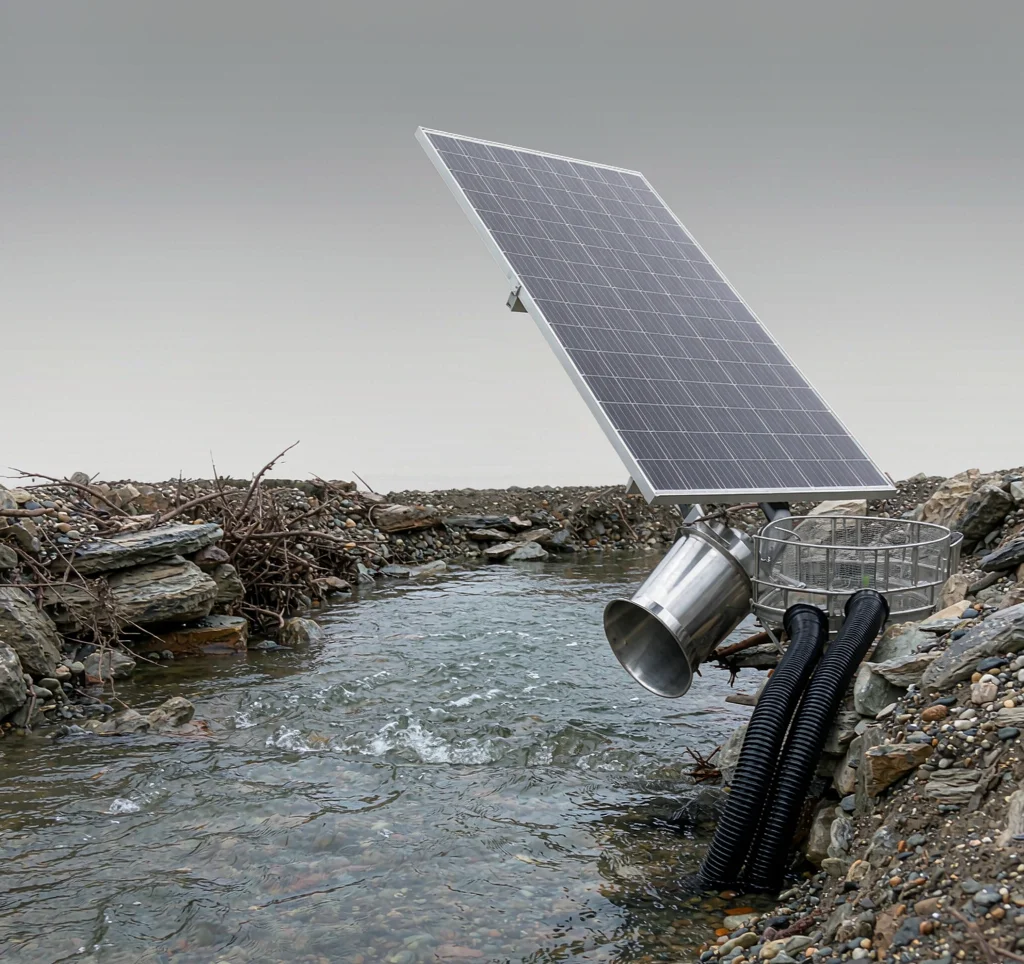
Where groundwater is deep, salty or simply unavailable, surface water intake lets a solar water pump draw directly from a river, lake or pond—no borehole, no drilling rig, no aquifer permit. For many rural communities, farms and camps, that is the fastest and cheapest route to reliable water. The engineering challenge shifts from drilling to intake: keeping debris, sediment and aquatic life out of the pump while maintaining a stable suction path through the seasons. Manufacturers such as KINBO supply surface-intake packages that pair a robust strainer with a correctly sized pump and array, and the design choices below determine whether the system runs for years or clogs in a season.
Table of Contents
Why Surface Water Intake Beats Boreholes in Many Sites
Drilling a borehole can cost more than the pump itself and still come up dry. Surface intake avoids that capital risk and the permitting burden, especially for seasonal or temporary supplies. It also simplifies maintenance—there is no submerged motor hundreds of metres down. The trade-off is water quality and intake vulnerability: rivers carry sediment, lakes grow weed, and ponds stratify. A good intake design manages those realities rather than fighting them.
Intake Design: Strainers, Floating Rigs and Screens
The intake is the most failure-prone part of any surface-water system, so the configuration should match the source:
| Intake Type | Best For | Key Risk |
|---|---|---|
| Floating intake | Lakes, ponds, variable level | Wave / snag displacement |
| Fixed screened inlet | Rivers with stable bank | Silting, debris impact |
| Suction hose + foot valve | Shallow ponds | Clogging of valve |
| Beach well / collector | Sandy riverbanks | Siting and digging effort |
Pump Selection for Surface Sources
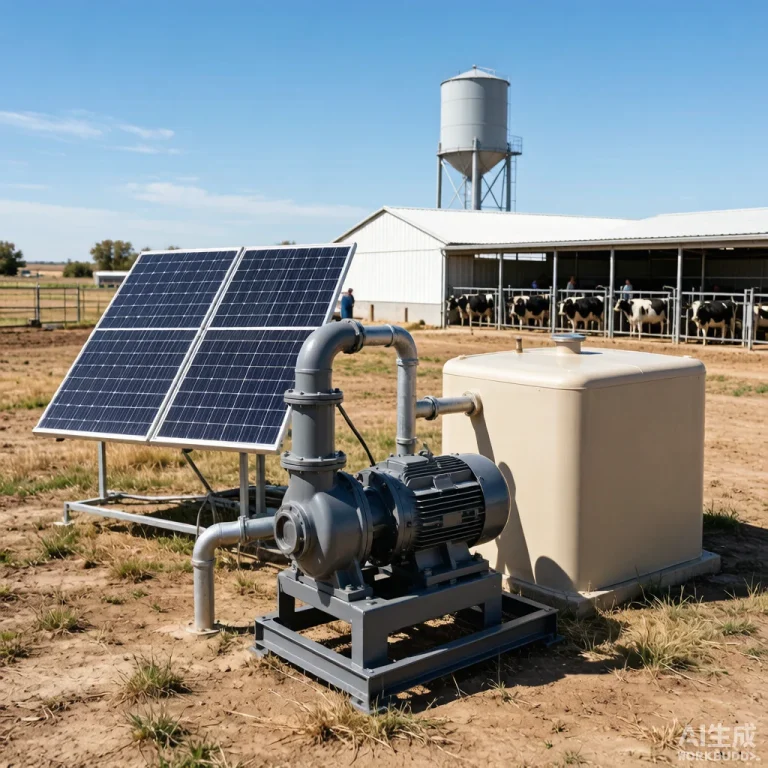
Surface sources almost always suit a surface pump drawing through a strainer, though deeper or weed-prone lakes may favour a submersible on a floating rig. Match the pump’s suction capability to the intake:
| Source | Recommended Pump | Note |
|---|---|---|
| River | Surface pump + coarse strainer | Watch flood debris |
| Lake | Submersible or surface | Floating intake avoids weeds |
| Pond | Surface pump | Shallow draw, easy access |
| Seasonal stream | Floating pump rig | Moves with water level |
Protecting the System from Debris and Sediment
Intake protection is where most surface-water projects succeed or fail:
- Use a strainer with aperture well below the pump’s solids tolerance.
- Fit a settling basin or first-flush bypass to drop heavy sediment before the pump.
- Add a float switch so the pump stops if the source level drops too far.
- Inspect and rinse the strainer on a fixed schedule during high-flow seasons.
- Keep a spare strainer on hand so cleaning never means downtime.
A Worked Example: River Intake for Community Supply
A riverside community needing 15 m³/day at 25 m head can run a surface pump on a floating intake tethered to the bank, fed through a coarse strainer and a short settling box. KINBO delivered a similar package where a 0.75 kW brushless DC pump on a 1.1 kWp array supplied the village through both dry and wet seasons, with the strainer cleaned weekly during monsoon. The capital avoided on drilling paid for the intake hardware several times over. When selecting a solar pump for different water sources, matching the intake to the pump’s suction capability is the step most often skipped.
Frequently Asked Questions
Can a solar pump draw from a river without a borehole?
Yes. A surface pump with a screened or floating intake draws directly from the river, avoiding drilling cost and permitting.
How do you stop the strainer from clogging?
Size the aperture below the pump’s solids limit, add a settling box, and rinse on a fixed schedule—especially in high-flow or weedy periods.
Which pump type suits a lake with weeds?
A floating intake on a submersible or surface pump keeps the inlet above bottom weed and sediment, reducing clogging.
Is surface water safe to drink after pumping?
Not without treatment; pair the intake with filtration or disinfection for potable use, since surface sources carry higher microbial risk.
For B2B buyers specifying solar pumping from rivers, lakes or ponds, contact KINBO for competitive FOB pricing and intake design support.