Solar Pump Spare Parts and Inventory Strategy: A Practical Guide to Reducing Fleet Downtime
Introduction
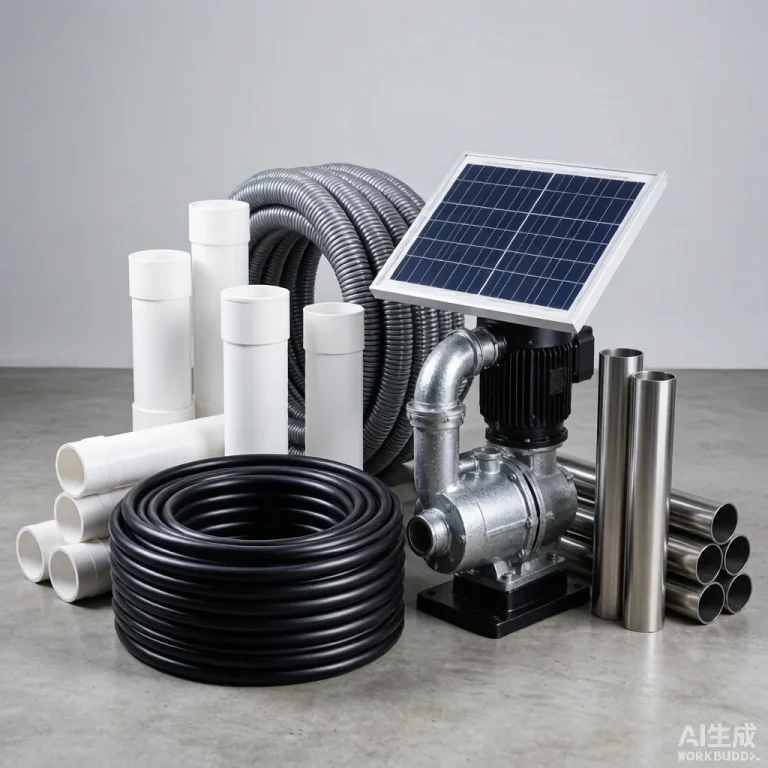
Operators who run more than a handful of solar water pumps quickly learn that uptime is a function of preparation, not luck. When a controller fails during a dry-season irrigation window, the difference between a one-hour fix and a two-week outage is whether the right spare part is already on the shelf. A disciplined solar pump spare parts and inventory strategy turns unpredictable breakdowns into planned, low-cost interventions. For distributors, NGOs and estate managers running fleets across remote sites, spare-parts readiness matters as much as the pump specification itself. Manufacturers such as KINBO increasingly ship with recommended spare kits precisely because field data shows most downtime traces to a handful of consumable components.
Table of Contents
Why Spare Parts Management Matters for Solar Pumps
Solar pumping systems are simpler than diesel sets, but they are not maintenance-free. Electronic components degrade under heat, mechanical seals wear with abrasive water, and connectors corrode in humid environments. The failure modes are predictable, which is exactly why they are stockable. Without a defined inventory, a single unavailable part can idle an entire water point for weeks while a shipment clears customs. A modest investment in staged spares typically pays for itself after the first avoided outage.
The Critical Spare Parts List
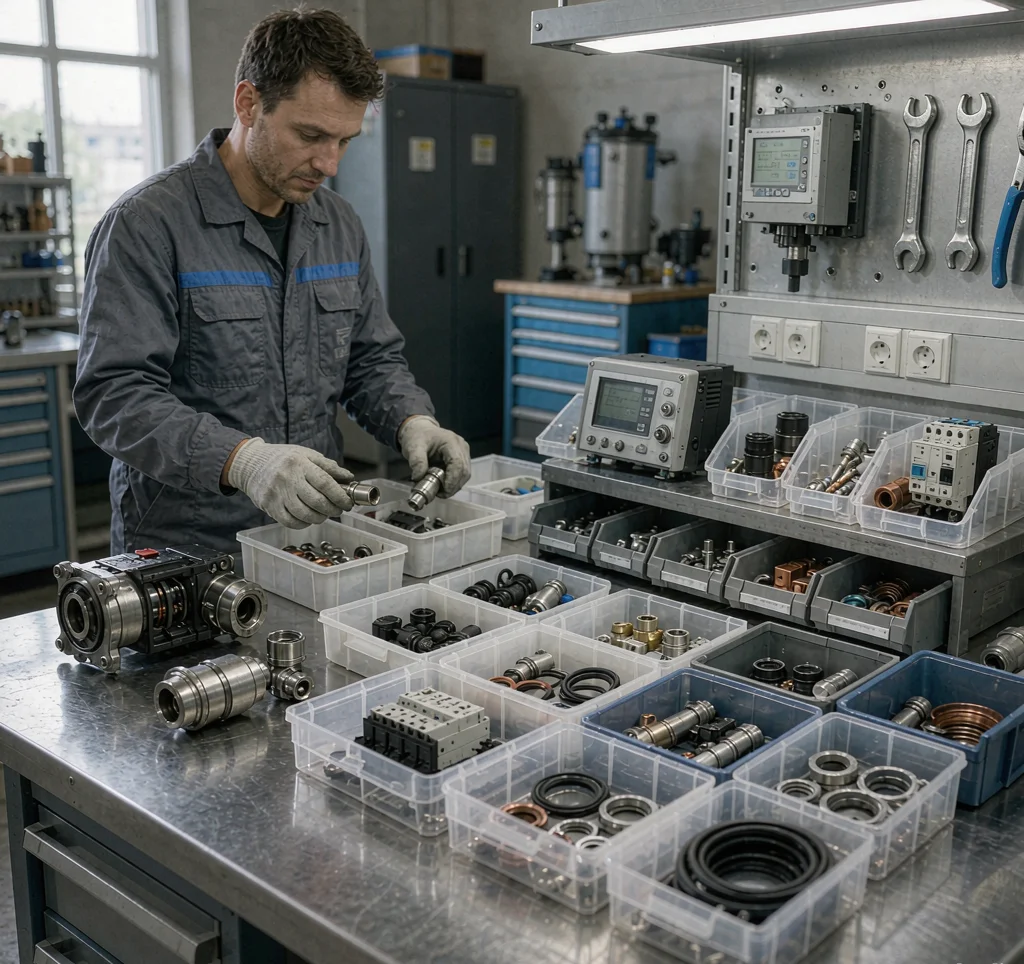
Most solar pump failures cluster around a short list of components. Stocking these covers the large majority of field interventions:
| Component | Typical Lifespan | Stock Guidance |
|---|---|---|
| MPPT / pump controller | 5–8 years (fails early if overheated) | 1 per 10 units or per site cluster |
| Mechanical seal | 2–4 years with abrasive water | 1 per pump |
| Bearings (motor / pump) | 3–6 years | 1 set per 5 pumps |
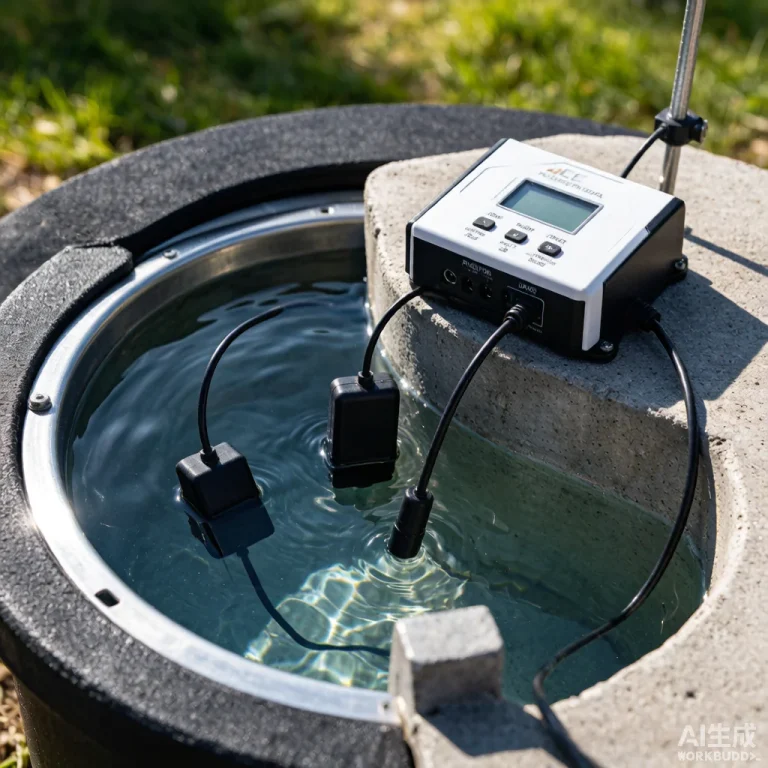
| Float switch / level sensor | 3–5 years | 1 per pump |
| Cable & weatherproof connectors | 8–12 years, fails at joints | Spare reel per depot |
| Impeller / wear ring | 4–7 years | 1 per 10 pumps |
Building a Tiered Inventory
The right stocking level scales with fleet size. A tiered model keeps capital tied up in spares low while guaranteeing fast response:
| Fleet Size | Strategy | Where to Stock |
|---|---|---|
| 1–5 units | Full critical kit on hand | Local store |
| 6–20 units | Critical spares local + module-level at hub | Site + regional hub |
| 20+ units | Critical local, modules at hub, bulk discount | Site + central warehouse |
Storage, Rotation and Shelf-Life
Spares only help if they are fit to use when needed:
- Store electronics in anti-static, dry packaging away from direct sun.
- Rotate stock using first-expiry-first-out and label each item with its purchase date.
- Keep seals and rubber parts cool to avoid hardening before use.
- Photograph each spare against its part number to speed field identification.
- Run a quarterly audit reconciling physical stock with the maintenance logbook.
Linking Inventory to Preventive Maintenance
Spare planning and preventive maintenance are two sides of the same program. A maintenance log that records run hours and replaced components tells you exactly which spares to reorder before they run out. KINBO pairs its recommended spare kits with a simple maintenance schedule so fleet managers can map each service visit to a bill of materials. The goal is to convert every intervention into a predictable, repeatable task rather than an emergency. See our solar pump maintenance guide for the inspection routines that feed this inventory loop.
Frequently Asked Questions
Which spare parts should every solar pump operator stock first?
Start with the controller or MPPT module, a mechanical seal, a set of bearings, a float switch and a length of cable with connectors—these cover the majority of field failures.
How many spares do I need for a small fleet?
For one to five units, keep a full critical kit on site; for larger fleets, hold critical parts locally and module-level spares at a regional hub.
Do seals and rubber parts expire?
Yes. Even unused, seals and gaskets harden with age and heat, so rotate stock and store them cool and dry.
How does inventory connect to preventive maintenance?
The maintenance log shows what was replaced and when, letting you reorder the right spares in advance instead of after a failure.
For B2B buyers building spare-parts programs for solar pump fleets, contact KINBO for competitive FOB pricing, recommended spare kits and technical specifications.