Solar Water Pumps for African Wildlife Reserves and Safari Lodges: Reliable Off-Grid Water Supply
Introduction
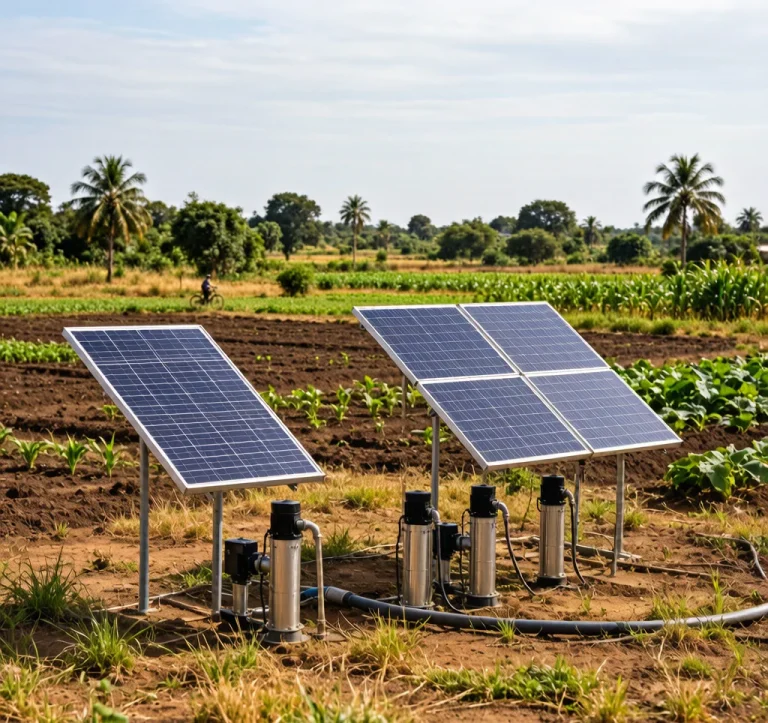
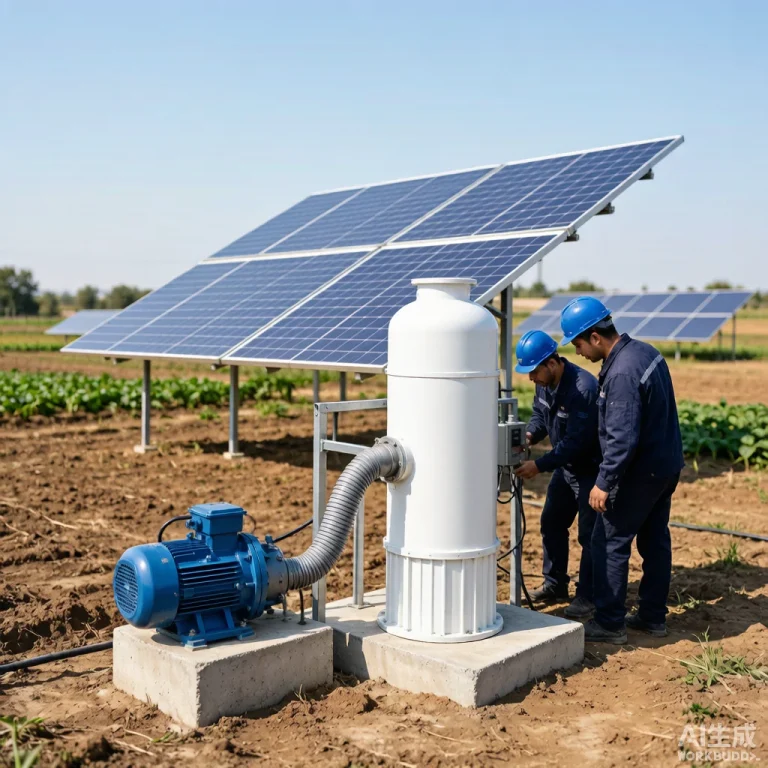
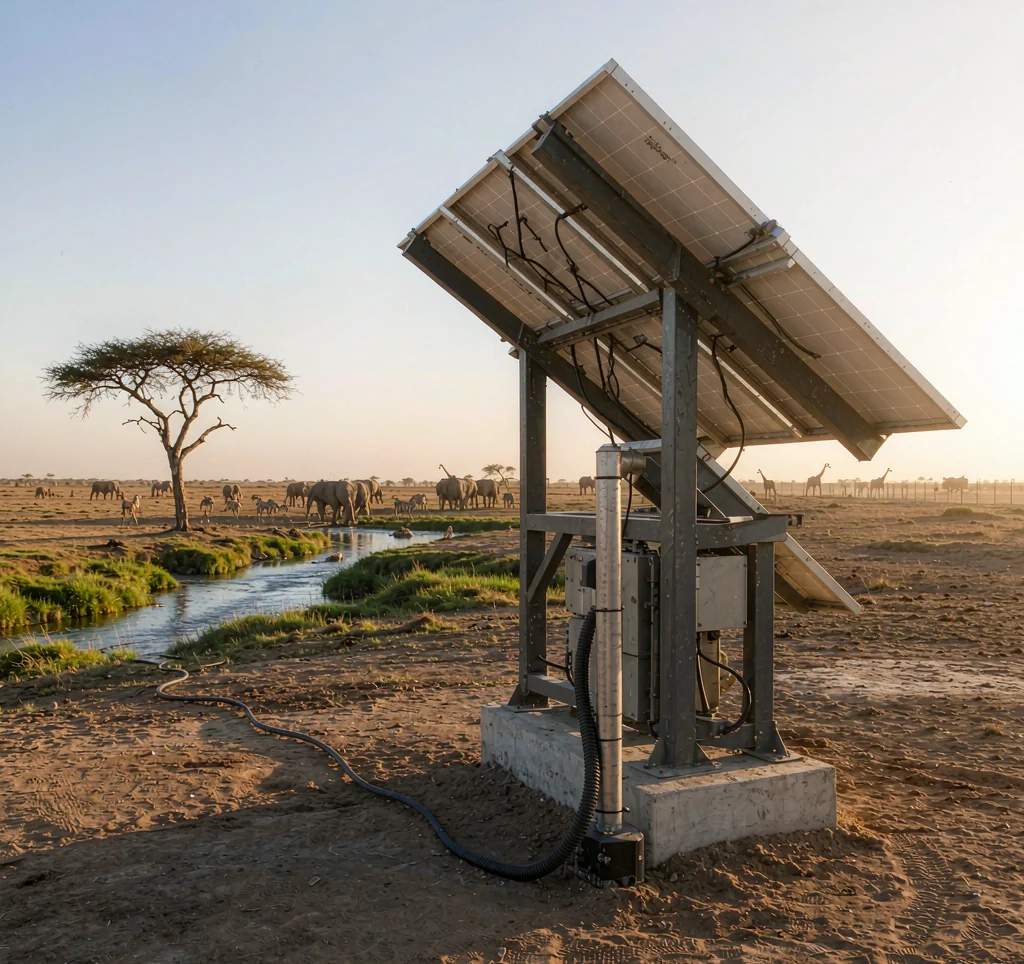
African wildlife reserves and safari lodges operate far from any grid, yet they need water for guests, staff, and the animals that define the landscape. Solar water pumps for African wildlife reserves replace diesel generators with silent, low-impact systems that fill pans, supply lodges, and sustain boreholes through dry seasons. KINBO equipment is built to tolerate heat, dust, and remote servicing intervals. This article explores where these systems fit, how they are configured, and what makes them durable in the field.
Table of Contents
Water Needs Across a Reserve
A modern reserve is a small water utility. Guest lodges need potable supply for kitchens and bathrooms; staff camps need washing and cooking water; and the ecology depends on pans that keep herbivores and predators distributed across the landscape. During drought, a single failed pump can mean relocated wildlife and disappointed guests.
Solar pumping suits this perfectly because the sun is strongest when evaporation and demand peak. Removing generators also cuts noise that disturbs both guests and animals.
Key Applications: Pans, Lodges and Camps
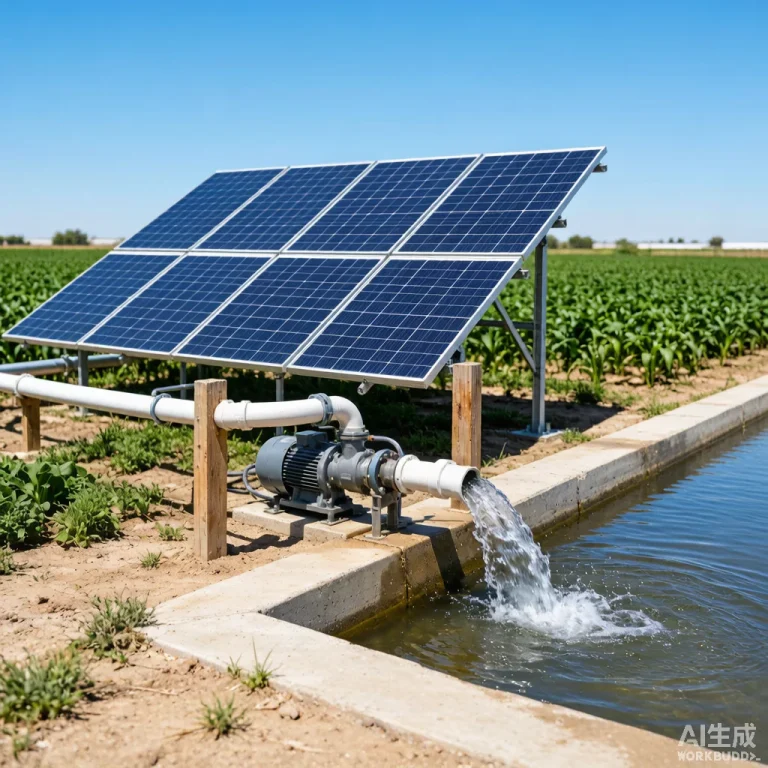
Reserves typically run several distinct systems. Lodge supply draws from a borehole to a sealed tank with filtration. Artificial pans are filled from boreholes or rivers to supplement natural water points. Anti-poaching and research camps use compact portable pumps for flexibility.
| Use case | Pump type | Priority |
|---|---|---|
| Lodge potable | Submersible | High |
| Game pan refill | Submersible/surface | Medium |
| Mobile camp | Portable surface | Low |
Design Choices for Remote Reliability
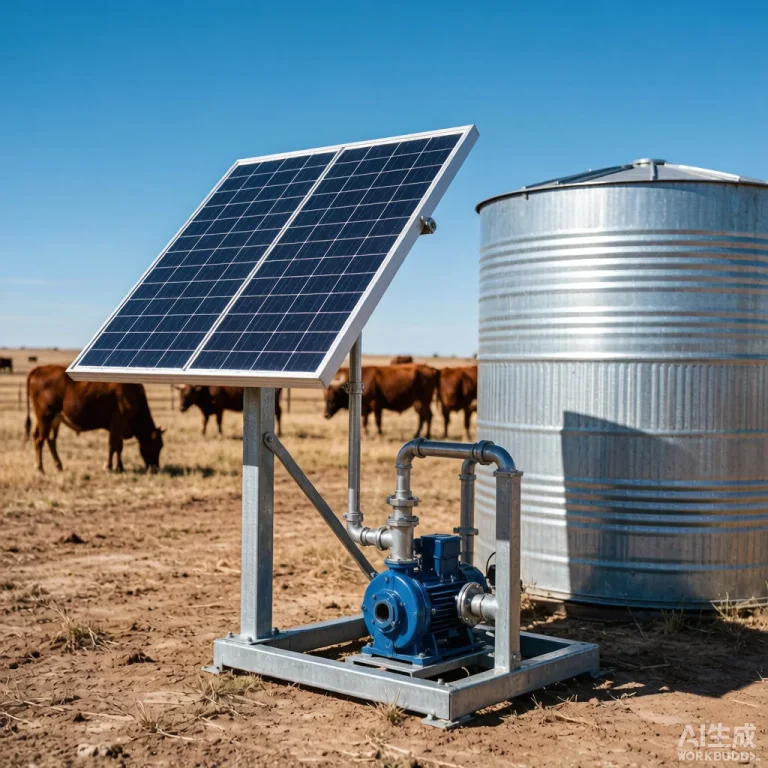
Reliability beats efficiency in the bush. Designers favor oversized arrays, robust stainless pumps, and simple controllers a field technician can diagnose. A livestock water solution playbook shares useful principles for remote troughs that also apply to pans.
- Specify panels with a wide margin for dust and heat.
- Use a submersible with a proven track record in sandy water.
- Add a float switch and dry-run protection to prevent burnout.
- Keep a documented spare-parts kit at the reserve workshop.
Balancing Wildlife and Infrastructure
Infrastructure must coexist with animals. Borehole heads are fenced or raised to deter elephants, cables are buried, and pans are sited to avoid concentrating wildlife on roads. Quiet solar operation is a genuine advantage: it lets lodges place water points close to viewing areas without the hum of a generator.
KINBO units are selected partly for this low-noise profile in reserve specifications.
Market and Sustainability Outlook
Eco-tourism and conservation funding increasingly require low-carbon operations, making solar pumping a default rather than a novelty. As panel costs fall, even small community conservancies can afford resilient water. The result is healthier wildlife distributions and a stronger guest experience with lower running cost.
Operators comparing options can review relevant application case studies for field-tested configurations.
Frequently Asked Questions
Can solar pumps keep a game pan full in dry season?
Yes. A submersible pump sized with margin can refill pans from a borehole through the dry season, with a tank buffering between cycles.
Are solar pumps quiet enough for safari lodges?
They are nearly silent compared with diesel generators, allowing water points close to guest areas without disturbing wildlife or visitors.
How do reserves protect pumps from elephants?
Borehole heads are fenced or raised, cables buried, and pans sited away from roads so animals cannot damage the infrastructure.
What maintenance do remote reserve pumps need?
Panels need periodic cleaning, and the pump should be inspected if flow drops; keeping a spare-parts kit and trained technician on site is the key to uptime.
For B2B buyers off-grid water supply for game reserves, lodges and camps, contact KINBO for competitive FOB pricing and technical specifications.
Related Articles
- Solar Irrigation Cooperatives in Africa
- Solar-Powered Water Supply for African Schools Case Study
- Explore KINBO Solar Submersible Pumps