PV Mounting Structures and Wind Resistance for Solar Pumps in Gold Mines in Benin
Introduction
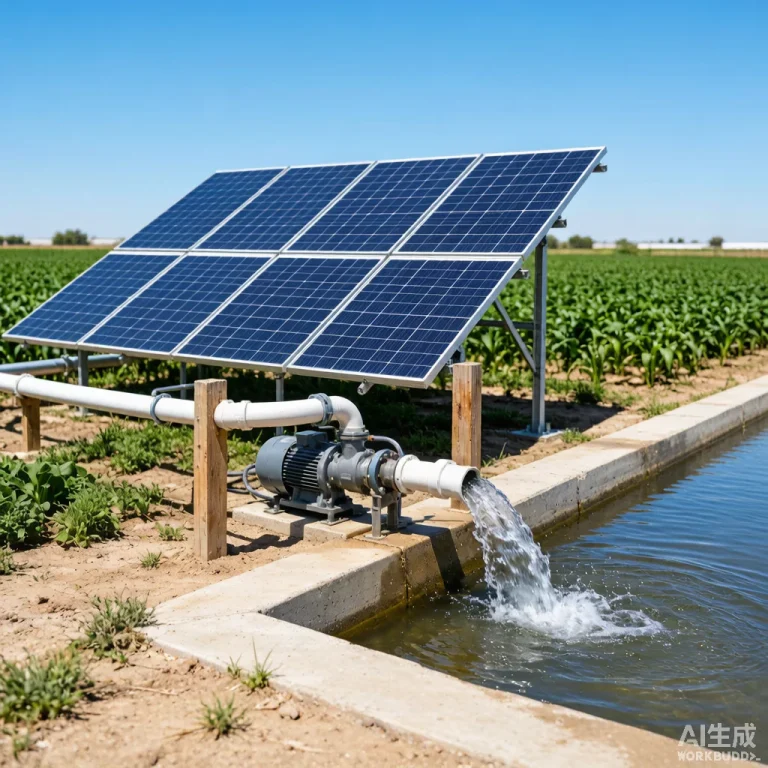
The array is only as steady as the steel it sits on, and African wind and storms test that steel daily. This article covers PV mounting structures and wind resistance for gold-mine solar pumps, using Benin’s northern gold belt—the Atakora and northwestern artisanal districts—as the worked example, written by the solar-pumping specialists at KINBO. A properly engineered structure keeps the panels tracking, unshaken and grounded through gusts, protecting the energy that feeds the controller and pump. This is the structure companion to our installation guide.
Table of Contents
Why Structure and Wind Resistance Matter
- Keep the array alive—a wind-failed mount drops output and can wreck panels, starving the controller and pump.
- Hold alignment—racking that stays square keeps the design yield from the sizing instead of drifting.
- Survive storms—correct ballast, footings and bracing beat the gusts that flatten light frames.
- Protect the duty—a standing array means the sizing availability holds through weather.
Benin Site Conditions
Benin’s northern gold sites face a long dry season with dust devils and sudden storm gusts that punish makeshift racking. Our dust-protection guide, sizing guide and lightning-protection guide frame the duties; here the prize is a mount that stands through the storms at Atakora, so engineered structure earns its keep.
Structure Design, Step-by-Step
- Read the wind—from the sizing site data, note gust speed and storm exposure at the bench.
- Pick the type—ballasted for soft ground, driven or cast footings for hard ground, sized to the local wind load.
- Engineer the frame—galvanised steel, certified clamps and torqued connections, not bent rebar and wire.
- Set the tilt and spacing—optimise for the sun yet keep wind exposure and self-shading in check.
- Ground and bond—tie the structure into the earthing so it is part of the lightning path, not a hazard.
- Commission and inspect—torque-check and document, per our maintenance guide.
Engineered vs Makeshift Structure
| Aspect | Engineered structure | Makeshift frame |
|---|---|---|
| Wind | Certified, braced | Blows over |
| Alignment | Holds square | Twists, drifts |
| Result | Stands through storms | Fails, starves pump |
For the cost view, our TCO guide shows engineered structure beats the panel and downtime losses it prevents.
Frequently Asked Questions
Can I just use local materials for the mount?
For low wind, maybe; for Benin’s gusts, certified galvanised steel with proper footings is what keeps the array and controller alive.
Does the structure need earthing?
Yes—it should bond into the lightning-protection path so the frame is safe and part of the system, not a strike target.
How often should the mount be inspected?
After every major storm and on a set schedule, checking torque and corrosion, per our maintenance guide.
How do I start a structure project in Benin?
Share your Atakora or northwestern site’s wind data and layout, and we specify an engineered mount that stands through the storms and feeds your pump.
Related Articles
- Lightning Protection and Flood Defense for Solar Pumps
- Dust and Heat Protection for Gold-Mine Solar Pumps
- Total Cost of Ownership for Gold-Mine Solar Pumps
- Explore KINBO Solar Pump Products
Get an Engineered Mount for Your Benin Gold-Mine Solar Pump
Tell KINBO your Atakora or northwestern site’s wind data and layout, and we will specify an engineered mount that stands through the storms and feeds your pump reliably. Contact our team for a tailored quote.
Published by KINBO · October 8, 2026 · Category: Application Cases