Solar Pump Sizing and Design Methodology for Gold Mine Water Duties
Introduction
Every gold-mine water duty—dewatering, process, camp, wash, fire—is a solar pumping problem with the same shape. Pick the duty, find the head, size the sun, add storage, choose control. A repeatable methodology stops sites from over-buying panels or under-sizing the pump and then blaming solar when it falls short. This article sets out the solar pump sizing and design method KINBO uses for African gold mines, so a manager can scope any duty with confidence and a common language.
Table of Contents
Step 1 — Define the Duty
Write down, in numbers, what the pump must do:
- Flow—peak and average m³/h or L/min.
- Daily volume—total water moved per day (drives array energy).
- Water quality—clean, sandy, slurried, acidic? Sets pump type (our abrasive guide, process-water guide).
- Run hours—daytime-only or 24/7 (decides battery need).
Step 2 — Source and Head
- Source—borehole, river, pit sump, or tank? Each changes pump type and intake design.
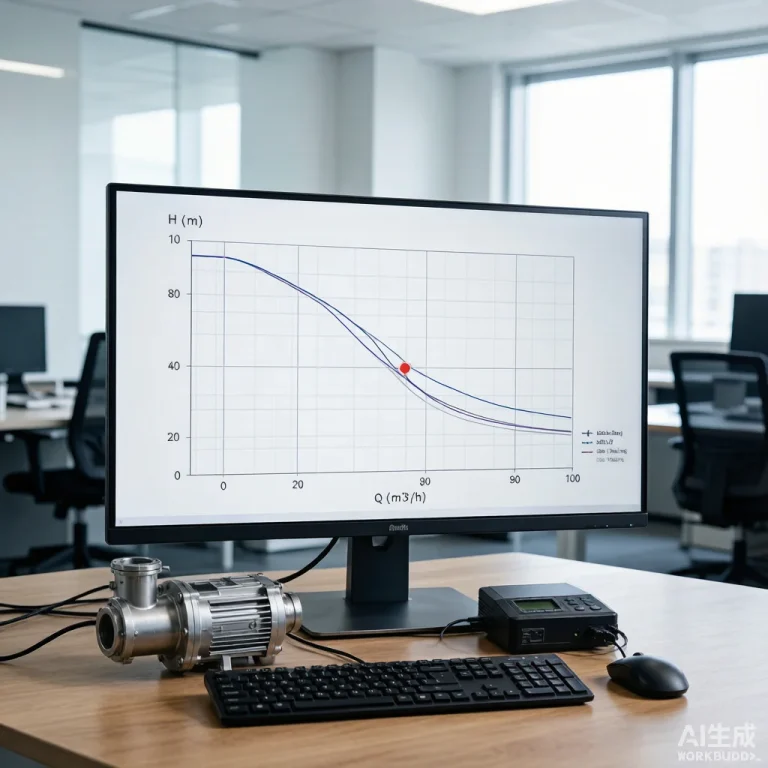
- Total Dynamic Head—static lift + friction + delivery pressure. This single number anchors the pump curve; our deep-borehole guide works through it.
- Drawdown—account for the water level dropping under pumpage so the pump never sucks air.
Step 3 — Solar Resource and Array
- Site irradiance—use the local kWh/m²/day; size the array to the worst useful month, not the best.
- Array wattage—daily pump energy ÷ effective sun hours, with ~20% headroom for losses and dust.
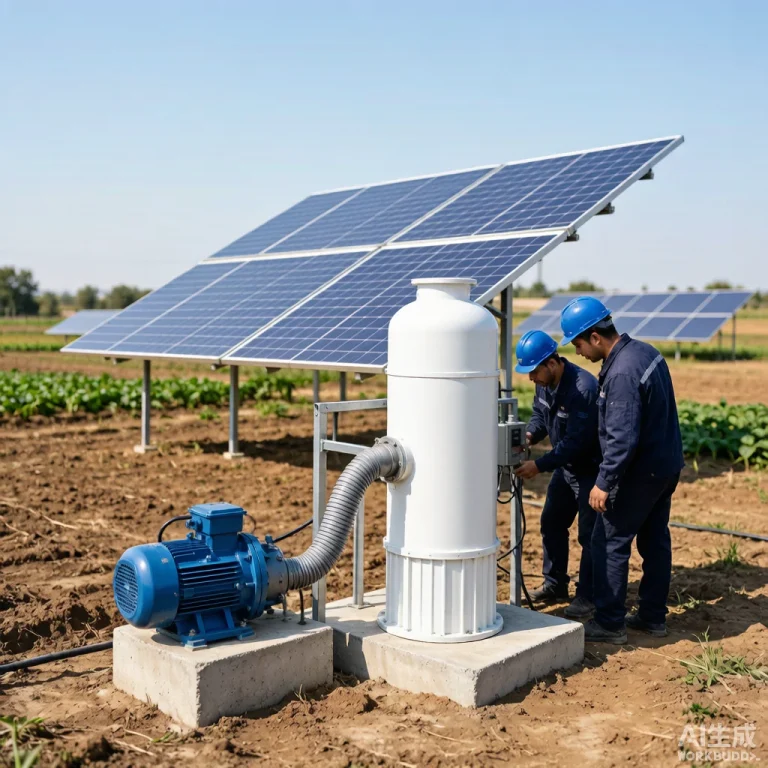
- Controller—an MPPT solar pump controller matches array to motor; a VFD-style unit also holds pressure as output varies.
Step 4 — Storage and Buffer
- Tank buffer—an elevated tank decouples pumping from demand, covering cloud and night.
- Battery—for true 24/7 or precise duties (dosing, our dosing guide), size to the autonomous hours required.
- Redundancy margin—keep a spare wet-end kit on site; it is cheaper than downtime.
Step 5 — Control and Hybrid
- Primary solar—run everything on sun where possible.
- Hybrid backup—where a duty is genuinely 24/7 or safety-critical, a hybrid controller adds a small generator or grid input only when the battery is low.
- Monitoring—sensor the tank level, flow and fault state (our remote-operations guide) so problems surface before they stop production.
Methodology vs Ad-Hoc
| Aspect | Ad-Hoc Guess | KINBO Methodology |
|---|---|---|
| Sizing basis | Vendor default | Duty + head + worst-month sun |
| Buffer | Often omitted | Tank/battery sized to risk |
| Result | Over- or under-buy | Right-sized, defensible |
| Financing | Hard to justify | Clear cost model (our cost analysis) |
The full system picture is in our complete system design guide.
Frequently Asked Questions
How accurate must the duty numbers be?
Within ~10–20%; the methodology’s headroom and buffer absorb the rest. The biggest errors come from ignoring friction and worst-month sun, so capture those.
Do I size for the best or worst sun month?
Worst useful month—otherwise the system under-delivers exactly when demand is highest and sun is lowest.
When do I need a battery vs just a tank?
If the duty is pressure/flow-sensitive and must run at night or through cloud (dosing, fire, 24/7), add battery. If it is volume-based daytime work, a tank buffer is enough.
Can one method cover all my mine’s duties?
Yes—the five steps apply to every duty; only the pump type and buffer change. We combine them into one system design for the whole site.
Related Articles
- Complete Off-Grid Solar System Design for Gold Mining
- Solar vs Diesel Cost and ROI Analysis for Gold Mines
- Hybrid Solar-Diesel Pump Systems for Gold Mines
- Explore KINBO Solar Pump Products
Get a Sized Solar Pump Design for Your Mine
Share KINBO your duty numbers—flow, head, water quality, run hours—for each water load, and we will apply this methodology to size the array, pump, buffer and control, and combine them into one defensible system quote. Contact our team for a tailored quote.
Published by KINBO · September 22, 2026 · Category: Pump Selection Guide