Solar vs Diesel Pumping at African Gold Mines: Cost and ROI Analysis
Introduction
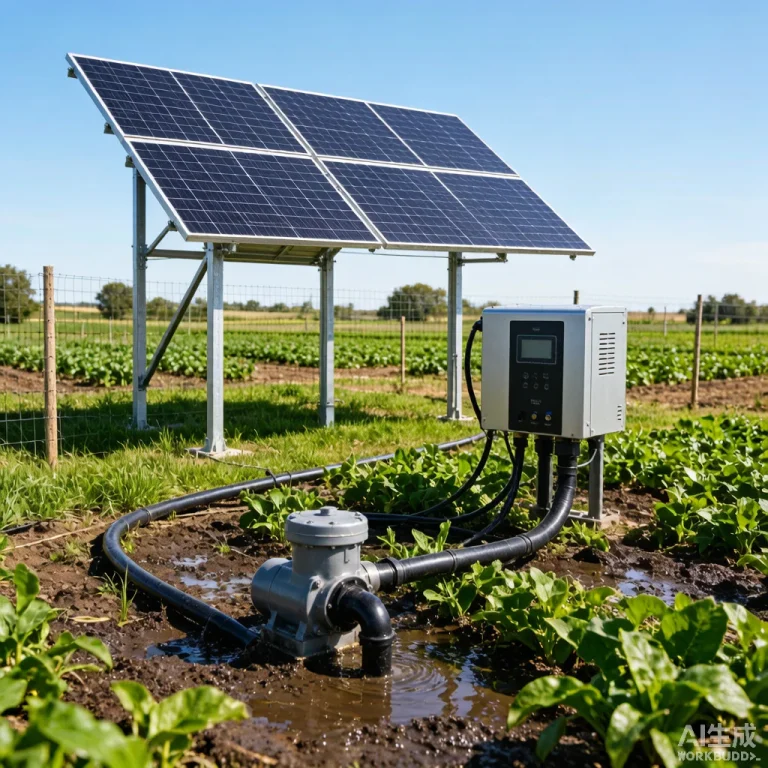
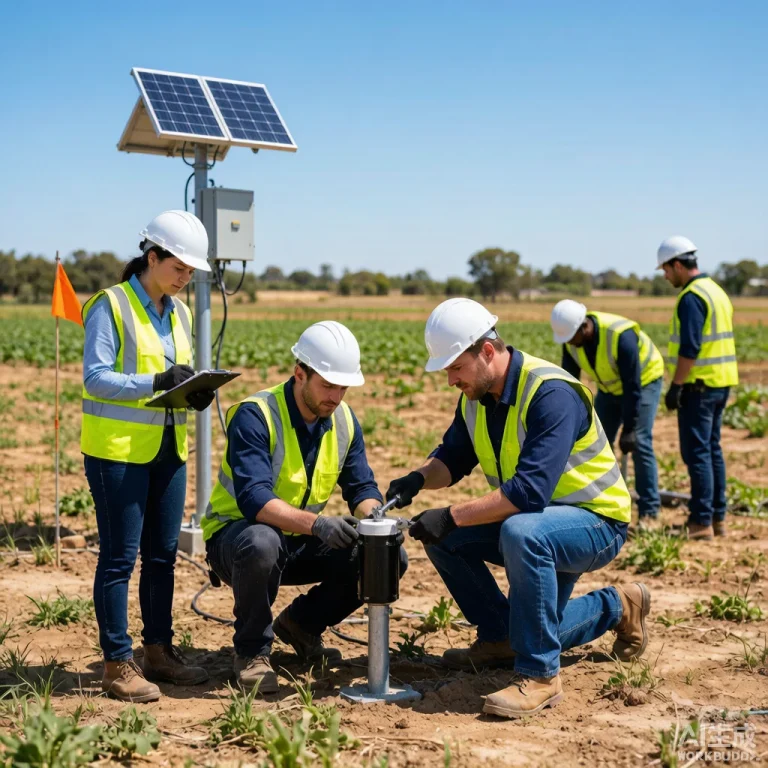
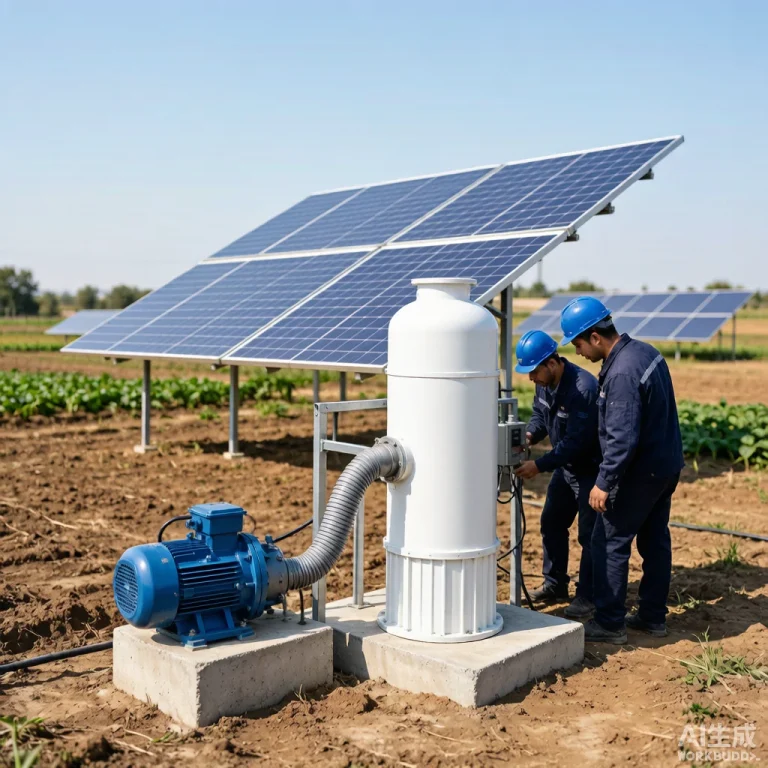
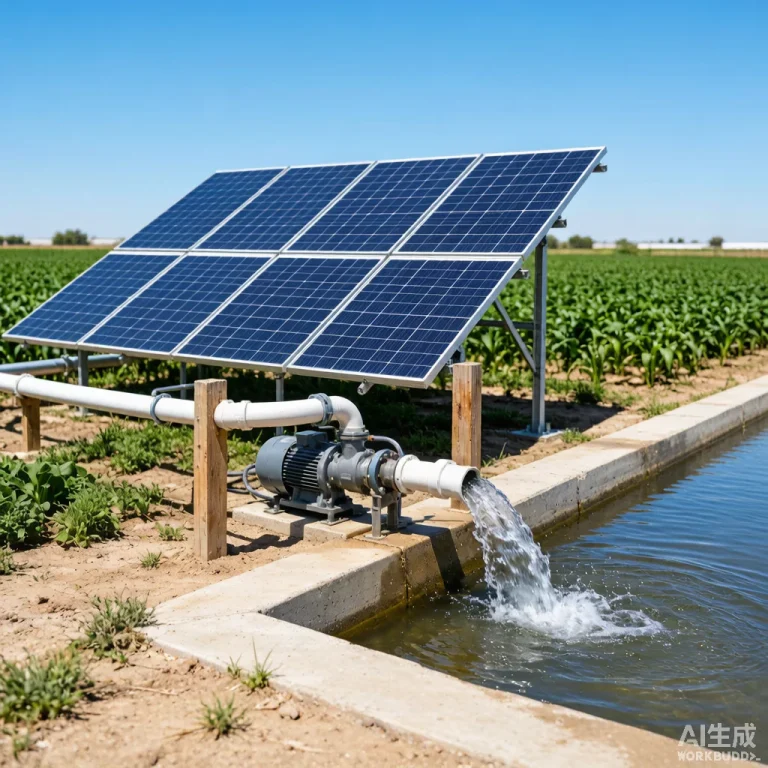
For a gold mine in rural Africa, the question is rarely “can solar do it”—it is “does solar beat diesel on cost and reliability”. Diesel pumps are familiar and instantly available, but in remote bush the fuel must be trucked in over bad roads, stored securely, and maintained by someone who may be hundreds of kilometres away. A complete solar pump system swaps that recurring fuel and logistics burden for a higher upfront capital cost and very low operating cost. This article builds the cost and return-on-investment case for solar pumping at African gold mines, so a manager can justify the switch with numbers. Solar pumping specialists such as KINBO frame every gold-mine proposal as a total-cost comparison, not just a pump price.
Table of Contents
The Two Cost Stacks
Compare like for like: lifetime cost of ownership, not sticker price.
| Cost Element | Diesel Pump | Solar Pump System |
|---|---|---|
| Capital (CAPEX) | Low | Higher (panels, controller, tank) |
| Fuel | High, perpetual | Zero |
| Transport / logistics | Recurring, fragile | One-time (delivery only) |
| Maintenance | Engine service, frequent | Wet-end wear parts, seasonal |
| Downtime risk | Fuel-out, engine failure | Cloudy day (buffer covers) |
Building a Simple ROI Model
A defensible model needs four inputs:
- Daily diesel litres—from pump fuel curve × run-hours.
- Diesel delivered price—refinery price + road transport to site; in remote Africa this can double the pump price.
- Solar CAPEX—array, controller, pump, tank, install (see our complete system design guide).
- Discount / horizon—usually 3–5 years for a mine campaign.
Annual diesel cost − annual solar OPEX, divided into the solar CAPEX premium, gives payback. Most remote African gold mines land between 12 and 30 months.
Typical Payback Periods
The farther from fuel supply, the faster solar wins:
- Near a town with fuel—2–4 years; still positive, slower.
- Remote bush (>100 km to fuel)—1–2 years; fuel transport dominates.
- Emergency / security-limited access—often under 12 months once fuel convoy cost is counted.
A buffer tank (our tank-fill guide) extends the effective solar run and further cuts any residual generator use.
Risks and Sensitivities
- Diesel price spike—accelerates solar payback; solar is a hedge.
- Lower sun than planned—mitigated by ~20% array headroom and storage.
- Theft / vandalism—panels are visible assets; site them within the secured camp.
- Residual duty—if a duty truly needs night running, a hybrid (our hybrid systems guide) keeps payback honest.
Frequently Asked Questions
Is solar really cheaper than diesel in Africa?
For continuous water duties at remote sites, almost always yes within 1–3 years, because delivered diesel cost—not pump price—dominates. The further from fuel, the stronger the case.
What if the mine only runs seasonally?
Payback still holds if the duty is high when running; size the system to the operating season and the avoided diesel is realised each campaign. Idle periods cost nothing for solar.
Do I need to scrap my diesel pump?
No. Many sites keep a diesel or hybrid as backup and run solar as the primary; the fuel saving from solar alone pays back the solar system while resilience is retained.
How do I present this to financiers?
Use a 3–5 year total-cost model with diesel delivered price as the key variable; solar looks strongest precisely where fuel logistics are worst.
Related Articles
- Complete Off-Grid Solar System Design for Gold Mining
- Hybrid Solar-Diesel Pump Systems for Gold Mines
- Explore KINBO Solar Pump Products
Get a Gold-Mine Solar vs Diesel Cost Model
Share your diesel litres, delivered fuel price and duty profile with KINBO, and we will build a side-by-side lifetime cost model and a complete solar system quote—so the switch to solar is justified on numbers, not hope. Contact our team for a tailored quote.
Published by KINBO · September 22, 2026 · Category: Industry Insights