Solar Pump Systems for Gold Mine Tailings Management and Rehabilitation Water
Introduction
A gold mine’s water story does not end at extraction—it peaks at closure. Tailings storage facilities, seepage collection, revegetation and dust control during rehabilitation are all water-handling duties that traditionally rely on diesel pumps. Solar pumping fits them naturally: tailings dams need steady, low-flow monitoring and transfer; rehab sites need intermittent water for planting and dust; and none of it justifies a diesel convoy. A complete solar system can carry a mine from active production through to a green, compliant closure. This article covers solar pump systems for gold mine tailings management and rehabilitation water. Solar pumping specialists such as KINBO supply low-maintenance packages suited to the long, low-intensity water duties of closure and rehab.
Table of Contents
Tailings and Seepage Water Duty
Tailings facilities generate water duties long after milling stops:
| Duty | Typical Flow | Note |
|---|---|---|
| Seepage collection | Low, continuous | From toe drains to settlement |
| Decant / supernatant transfer | Variable | Recirculate or treat |
| Perimeter runoff | Seasonal peaks | Storm-event driven |
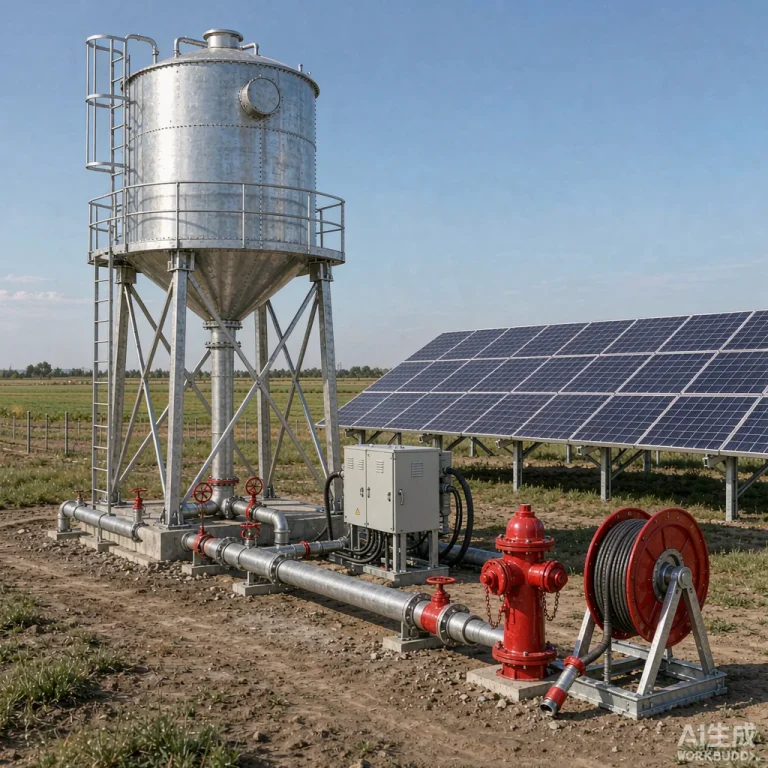
Because flows are low and steady, a modest solar pump with a buffer tank covers most of the year without diesel. The sediment and possible chemical content mean a solids-rated wet end, as discussed in our process-water selection guide.
Rehabilitation Water Needs
- Revegetation—intermittent low-flow irrigation of planted areas; a solar pump to a tank, drip or sprinkler off the tank.
- Dust control—periodic misting of exposed surfaces (related to our dust suppression guide).
- Wildlife / pond filling—restoring on-site water points for returned habitat.
- Monitoring bores—small transfers for groundwater sampling programmes.
System Design for Low-Intensity Duties
Closure-phase duties are the opposite of peak production: low flow, long intervals, high reliability expectation. Design for that:
- Oversize the tank, right-size the pump—a big store absorbs storm and planting peaks so a small pump serves all year.
- Minimise service visits—telemetry (see our remote monitoring guide) lets a closure team verify function without a site trip.
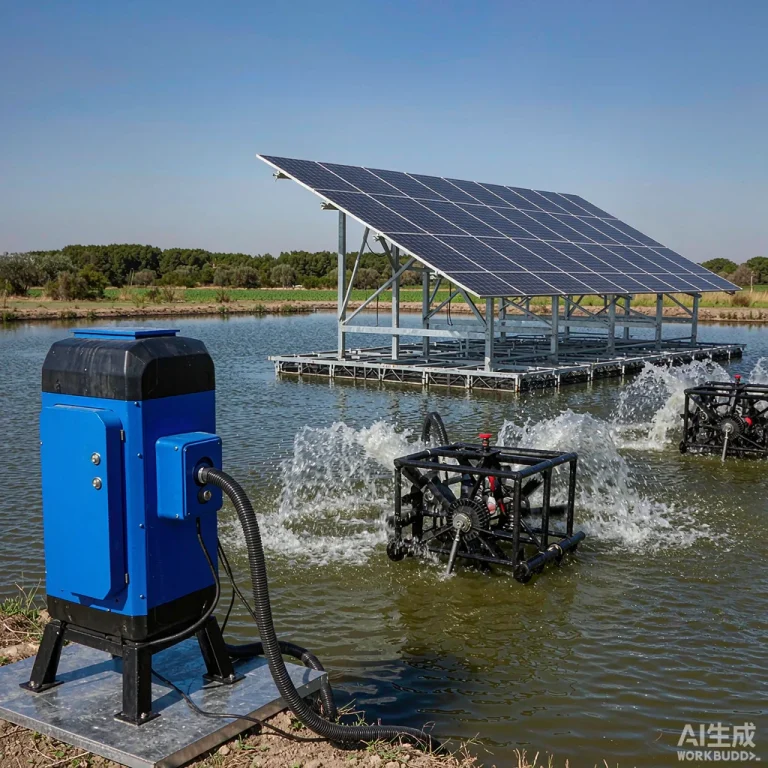
- Robust intake—floating or settled intake keeps sediment out (our floating intake guide).
- Spares on site—the same kit described in our remote O&M guide.
Closure and Compliance Benefits
Solar pumping supports a cleaner closure case:
- Lower emissions—no diesel combustion during the long rehab phase.
- Continuous seepage control—reliable solar keeps containment working through the monitoring period.
- Demonstrated care—a functioning solar water system is visible evidence of responsible closure to regulators and communities.
Frequently Asked Questions
Can one solar system serve both tailings and rehab?
Often yes—size the array for the larger duty and route flow with valves. Tailings dominates early closure; rehab dominates later, so a single right-sized system carries both phases.
What about storm-event peaks?
A buffer tank sized for the design storm absorbs the peak; the pump runs steadily afterwards to empty it. This is far cheaper than a pump sized for the instantaneous peak.
Is solar reliable enough for compliance monitoring?
Yes, with telemetry and a spare wet-end. A solar system actually fails less often than a diesel set left unattended through a long closure period.
Does solar help with regulator sign-off?
Indirectly—it demonstrates a low-impact, self-sustaining water management plan through closure, which strengthens the rehabilitation case.
Related Articles
- Solar Pump Selection for Gold Mine Process Water
- Solar Pump Telemetry and Remote Monitoring
- Explore KINBO Solar Pump Products
Get a Tailings & Rehab Solar Package
Tell KINBO your tailings and rehabilitation water duties and closure timeline, and we will specify a low-maintenance solar system—sediment-rated pump, buffer tank, telemetry—that carries your mine from production through to a compliant, green closure. Contact our team for a tailored quote.
Published by KINBO · September 22, 2026 · Category: Application Cases