Solar Water Pumps for Rainwater Harvesting Systems: Cistern Pumping Design Guide
Introduction
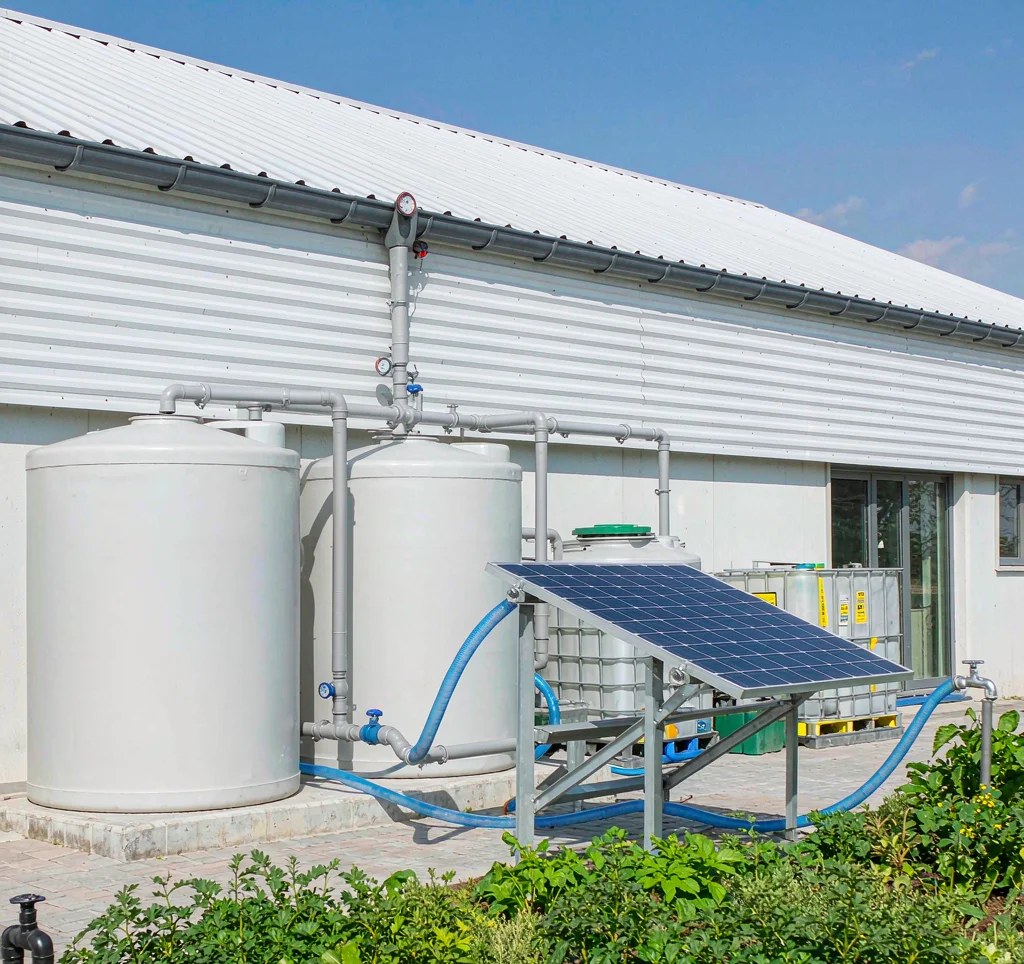
Rain falls for free, but storing and moving it is engineering. A rainwater harvesting system collects roof or catchment runoff into tanks, and a pump turns that stored water into useful pressure for gardens, livestock, laundry or even potable supply after treatment. Pairing the harvest system with a solar pump is a natural fit: both resources peak together, and neither needs a grid connection. This article covers how to select and configure a solar pump for rainwater systems—intake protection, pump placement, pressure delivery and filtration. Manufacturers such as KINBO supply surface and submersible solar pump packages that integrate cleanly with cistern-based storage.
Table of Contents
Why Solar and Rainwater Pair Well
Rainwater systems are seasonal: the tank fills during wet periods and drains during dry ones, while irrigation demand peaks in the sun. A solar pump matches that rhythm—it delivers most water exactly when gardens need it, and it works during the grid outages that often accompany storms. For rural sites without power, solar-rainwater combinations deliver a complete supply with zero fuel. The economics are simple: the storage was the expensive part; the pump only has to lift water a few meters, so a modest PV array is enough.
Pump Selection for Cistern Systems
Cistern pumping is a low-head, variable-flow job. The table shows how the delivery target changes the choice.
| Delivery Target | Typical Head | Recommended Pump |
|---|---|---|
| Garden drip / hose | 2–5 m + pressure | Solar surface pump with booster |
| Elevated tank refill | 5–15 m lift | Surface or shallow submersible |
| Livestock trough line | Low head, long pipe | Surface pump, larger pipe |
| Household pressure | 1.5–3 bar | Pressure-set with controller |
Because the source is already stored, the pump can run whenever the sun is strong, filling a pressure tank or an elevated header—for that design pattern see our article on solar pump water storage tank sizing.
Intake Protection and Water Quality
Rainwater carries roof debris, pollen and sediment into the tank, so the pump intake needs care:
- Draw from 10–15 cm above the tank bottom to leave settled sludge undisturbed.
- Fit a floating intake or first-flush diverter to avoid the dirtiest layers.
- Use a coarse strainer plus a fine filter before any drip or household use.
- Install a low-level cutoff so the pump never runs dry at the end of the dry season.
- For potable use, add treatment (filtration and disinfection) after the pump, not before.
KINBO controllers include dry-run protection that pairs naturally with a low-level probe in the cistern, protecting the pump through the seasonal drawdown.
Pressure Delivery Configurations
There are two common ways to deliver pressure from a rainwater tank, each with trade-offs.
| Configuration | How It Works | Best For |
|---|---|---|
| Pump direct to lines | Controller varies speed with sun | Irrigation only |
| Pump to pressure tank | Fills a bladder tank; stable supply | Households, mixed use |
| Pump to elevated header | Gravity does the pressurizing | Simple, low-maintenance sites |
Note: match pipe diameter to flow so friction loss stays low; see our pipe friction loss guide for the calculation.
Frequently Asked Questions
Can a solar pump run directly off a rainwater tank?
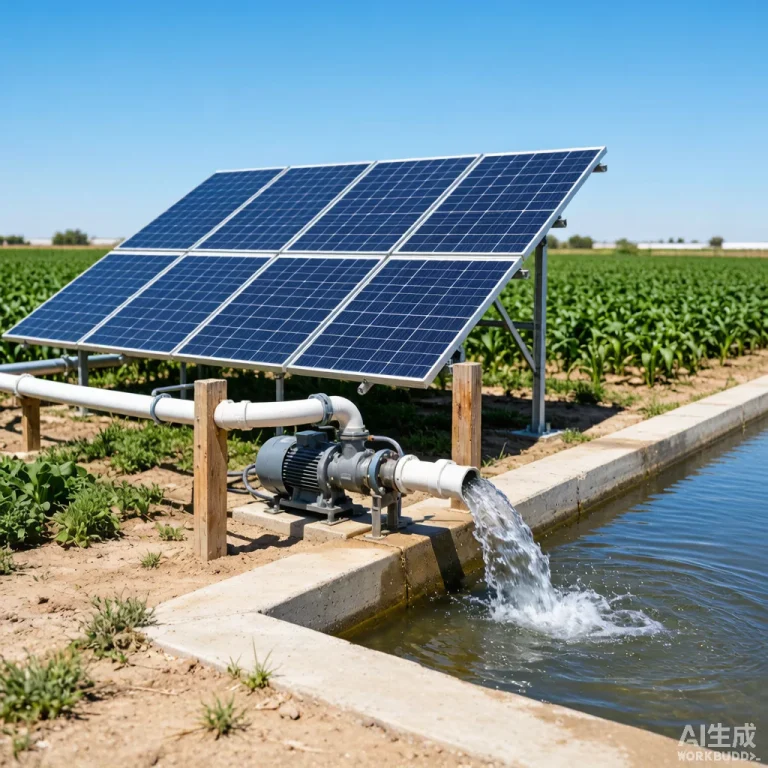
Yes—the tank is a stable suction source, so a surface pump at or below tank level works well; just keep the intake above the sludge layer.
What happens when the tank runs dry?
With a low-level cutoff or dry-run protection the pump simply stops; without it, the seal and motor overheat and fail.
Is rainwater safe for drip irrigation?
With a strainer and fine filter, yes; rainwater is soft and low in salts, which actually reduces emitter scaling compared with borehole water.
How big should the PV array be for a rainwater pump?
Usually modest—low lift means low power; size the array to the daily volume divided by peak sun hours, with margin for cloudy days.
For B2B buyers designing solar rainwater harvesting systems, contact KINBO for competitive FOB pricing and cistern-ready pump packages.