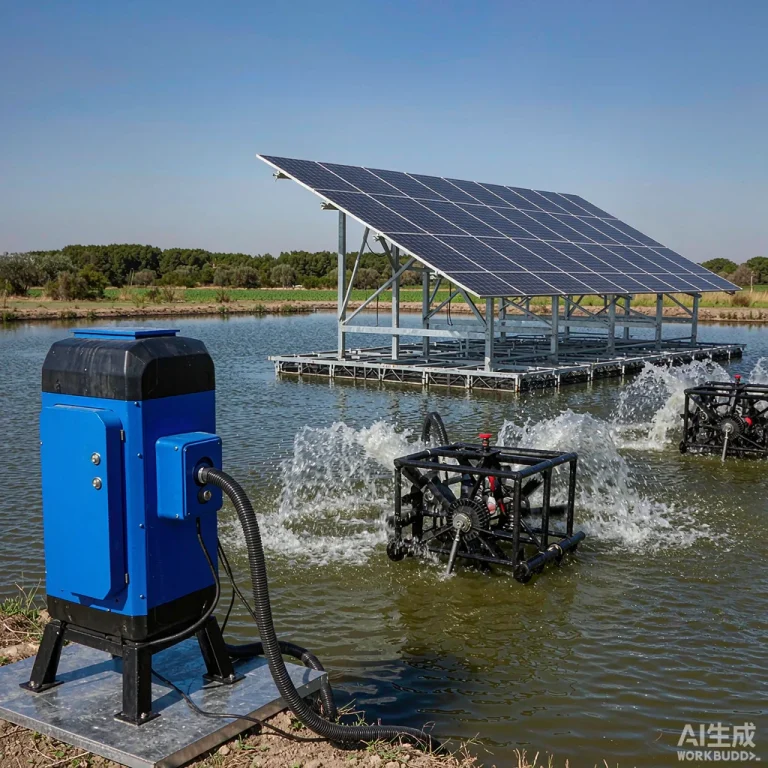
Solar Pump Systems for Gold Mining in Angola: Highlands and Remote Camps
Introduction
Angola is a post-conflict Southern African country with a growing gold sector, including both emerging industrial projects and a very large artisanal and small-scale workforce across the interior Lunda provinces. Infrastructure is weak and the grid does not reach most goldfields, so diesel is the default off-grid source. Solar pumping fits the climate and the remote, rebuilding context. This article examines solar pump systems for gold mining in Angola, written by specialists at KINBO.
Table of Contents
Gold Mining in Angola
- Growing sector—emerging industrial projects plus a strong junior exploration push across interior belts.
- Large ASM workforce—a substantial informal sector pumps from rivers and pits, mostly off-grid.
- Power reality—the grid is limited and far from the goldfields; interior sites are self-generated from diesel.
- Climate—a tropical highland pattern with a wet season and a dry, sunny winter; strong solar resource.
Typical Water Duties
Angolan gold sites share the universal duties our dewatering guide, process-water guide and camp-supply guide cover: pit and adit dewatering, process and slurry transfer, camp and community water, and rehabilitation. The large ASM sector in particular needs simple, portable solar pumps (our exploration and ASM guide).
An Angola-Suited Solar System
- Dry-season sun advantage—size the array to the weaker wet-season months with battery buffer; the dry winter is exceptionally productive.
- Portable ASM kits—skid-mounted solar pumps that move with the pit, avoiding fixed diesel infrastructure.
- Hybrid option—for continuous process loads, a hybrid controller uses a small generator only as backup.
- Remote monitoring—our remote-operations guide keeps scattered interior sites visible from one dashboard.
Solar vs Diesel in Angola
| Factor | Diesel in Angola | Solar in Angola |
|---|---|---|
| Fuel logistics | Long interior hauls | Self-powered on site |
| Remote-site viability | Fuel logistics fragile | Self-powered on site |
| ASM suitability | Costly per unit | Portable, scalable kits |
| Best fit | Grid-connected plants | Off-grid / interior / ASM |
For the economics, our solar-vs-diesel analysis shows remote Angolan sites typically pay back in 1–3 years.
Frequently Asked Questions
Can artisanal miners use solar?
Yes—portable, simple solar pump kits are ideal for pits and rivers where grid and diesel are impractical; rugged, low-maintenance designs suit non-specialist crews.
Does the wet season break solar pumping?
No—size the array to the worst useful month with battery buffer; the dry winter is exceptionally productive, so the system rides through cloud easily.
Will solar meet a large mine’s process load?
For continuous process duties, a hybrid solar-diesel system carries the bulk on sun and uses a small generator only as backup, cutting fuel 60–90%.
How do I start in Angola?
Define each duty (flow, head, water quality, hours), then we size the array, pump and buffer—our sizing methodology applies directly.
Related Articles
- Solar Pumps for Gold Mine Dewatering in Africa
- Solar Pumping for Gold Mine Exploration and Artisanal Mining
- Hybrid Solar-Diesel Pump Systems for Gold Mines
- Explore KINBO Solar Pump Products
Get an Angola Gold-Mine Solar Pump System
Tell KINBO your Angolan site’s duties—emerging plant, interior exploration, or ASM—and we will specify an off-grid (or hybrid) solar pump system sized to local sun and season. Contact our team for a tailored quote.
Published by KINBO · September 28, 2026 · Category: Application Cases