Cameroon Gold Mining in 2026: The Artisanal Boom, East and Adamawa Regions and the Pump Demand
Introduction
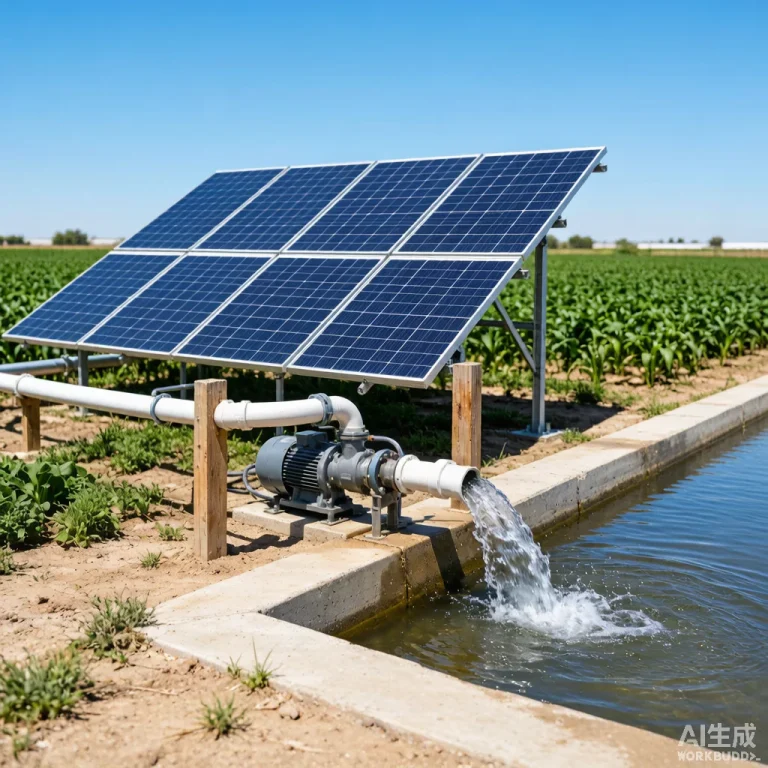
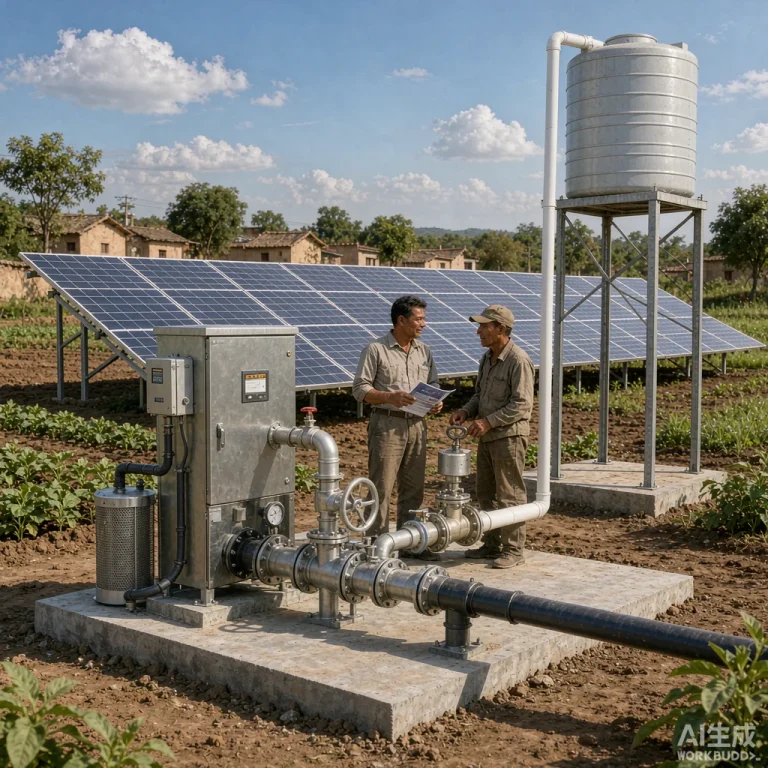
Cameroon is quietly becoming one of West Africa’s more active artisanal gold scenes. Production is spreading beyond the traditional East-Region belts into Adamawa and the forest zone, and with it comes demand for the unglamorous kit that actually keeps a pit running: pumps. This 2026 read on Cameroon gold mining looks at where the activity is and what the equipment gap means. KINBO sees pumping as the single biggest off-grid bottleneck for these operators.
Table of Contents
The Artisanal Surge
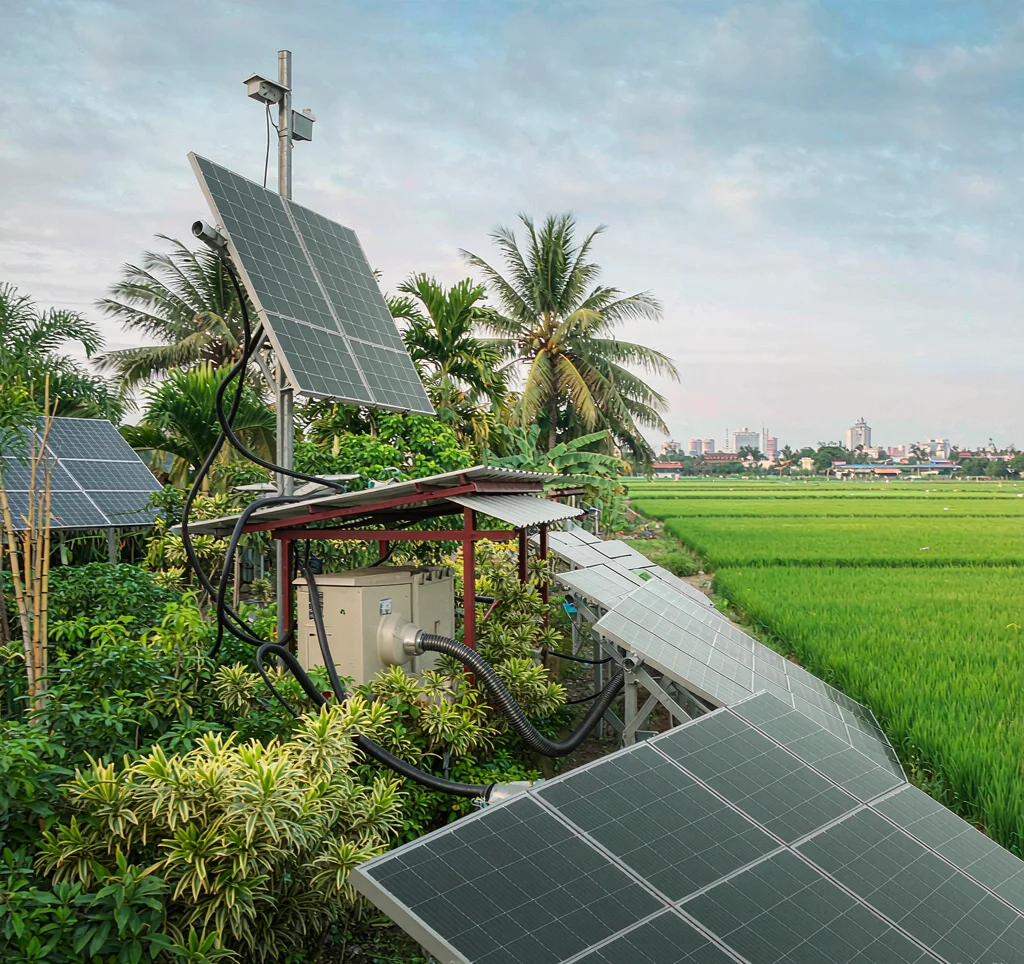
Artisanal and small-scale gold mining (ASGM) in Cameroon has grown as prices stay high and rural incomes tighten. Higher gold prices have pulled new entrants into the sector each year, and many are first-time operators with no prior mining experience, which raises the value of simple, robust equipment. Most of this is manual: pans, sluices and rudimentary wash plants. But water handling is where productivity breaks, because moving and recirculating water by hand or with a failing diesel pump caps how much ore a team can process in a day.
Where the Activity Concentrates
The historical centre is the East Region, but Adamawa and parts of the forest zone are increasingly active as crews follow new finds. These are precisely the off-grid, road-poor areas where diesel logistics are hardest and solar pumping is most valuable.
| Region | Typical setting | Pump need |
|---|---|---|
| East Region | Established alluvial belts | Wash + dewatering |
| Adamawa | Savanna hard-rock and alluvial | Dewatering + camp |
| Forest zone | Remote, rainy, road-poor | Solar, low-logistics |
The Equipment and Pump Gap
The constraint is not discovery; it is throughput. Crews that can pump water reliably process more material and recover more gold per day. Yet many sites run worn diesel pumps or hand-bailing because affordable, serviceable solar pumps have been hard to source locally. Hand-bailing and bucket brigades still move water at many small pits, which caps output and exposes crews to muddy, unsafe conditions; a modest pump changes both throughput and safety. Closing that gap is the difference between a pit that scales and one that stalls.
The seasonal angle matters too: seasonal and dry-season sizing for gold-mine solar pumps in Cameroon is its own discipline, because weak-sun months must not stop the water.
Outlook for Suppliers
- Demand is broadening geographically, not just deepening in the East.
- Solar, low-maintenance units beat diesel where fuel logistics are weak.
- Training and spares matter as much as the hardware itself.
- Suppliers who pair durable pumps with local support will win repeat business.
Infrastructure varies sharply even within a region, so pump logistics and local service weigh as heavily as the spec sheet when a site chooses a supplier. The winners will be suppliers who show up with training and spares, not just a product, because the sites cannot afford downtime.
For 2026, the opportunity is less about selling a single pump and more about becoming the reliable water partner for an expanding, off-grid mining economy.
Frequently Asked Questions
Where is Cameroon gold mining growing?
Beyond the East Region into Adamawa and the forest zone, all off-grid areas.
What is the main equipment bottleneck?
Reliable water pumping; throughput hinges on moving and recirculating water.
Why solar over diesel here?
Fuel logistics are hard off-grid, and solar removes that recurring burden.
What do suppliers need to win?
Durable, serviceable pumps plus local training and spares.
For B2B buyers supplying pump equipment to Cameroon’s gold mining sector, contact KINBO for competitive FOB pricing and technical specifications.
Related Articles
- Solar Pumps for Cameroon Gold Mining
- Gold Dredge and Sluice Pumps for Cameroon Placer Mining
- Explore KINBO Solar Submersible Pumps