Solar Pump Systems for Gold Mining in Mauritania: Desert Solar for the Remote Tasiast Corridor
Introduction
Mauritania is a Saharan and Sahelian gold producer anchored by the remote Tasiast corridor, with additional exploration across the north. Sites sit deep in an arid landscape with extreme heat, dust and very high solar irradiance, and effectively no grid. Diesel is the only conventional option today, but desert solar is among the most productive on the continent. This article examines solar pump systems for gold mining in Mauritania, written by specialists at KINBO.
Table of Contents
Gold Mining in Mauritania
- Remote Tasiast corridor—large plants run continuous, plant-scale water duties in the desert north.
- Exploration spread—junior projects across the Sahel add scattered, off-grid water needs.
- Power reality—no meaningful grid at site; everything is self-generated from diesel.
- Climate—Saharan, with extreme heat, high dust, minimal rainfall and exceptional solar irradiance.
Typical Water Duties
Mauritanian gold sites share the universal duties our dewatering guide, process-water guide and camp-supply guide cover: pit and adit dewatering, process and slurry transfer, camp and community water, and rehabilitation. The arid setting makes camp and community supply especially water-scarce and valuable.
A Mauritania-Suited Solar System
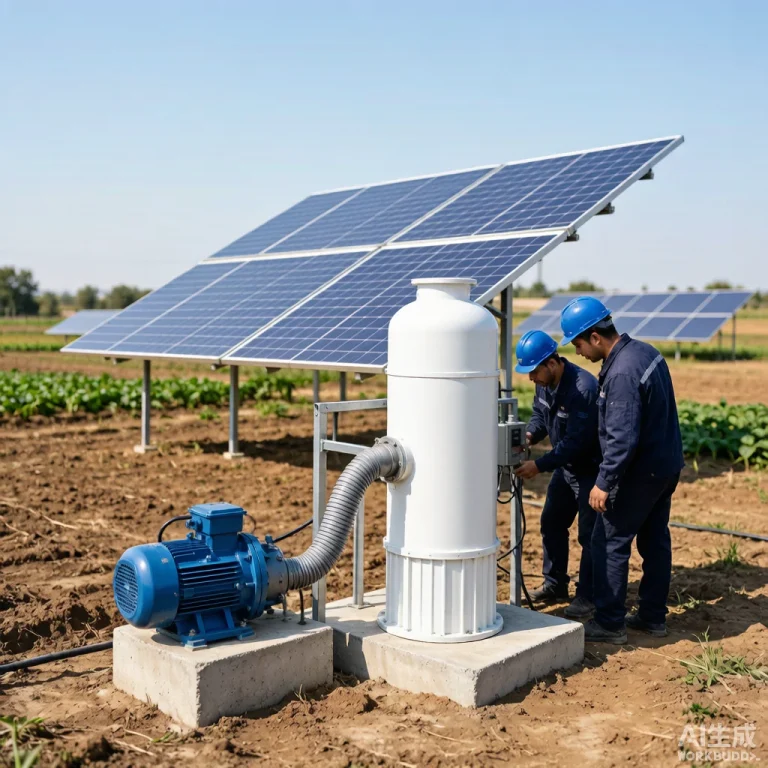
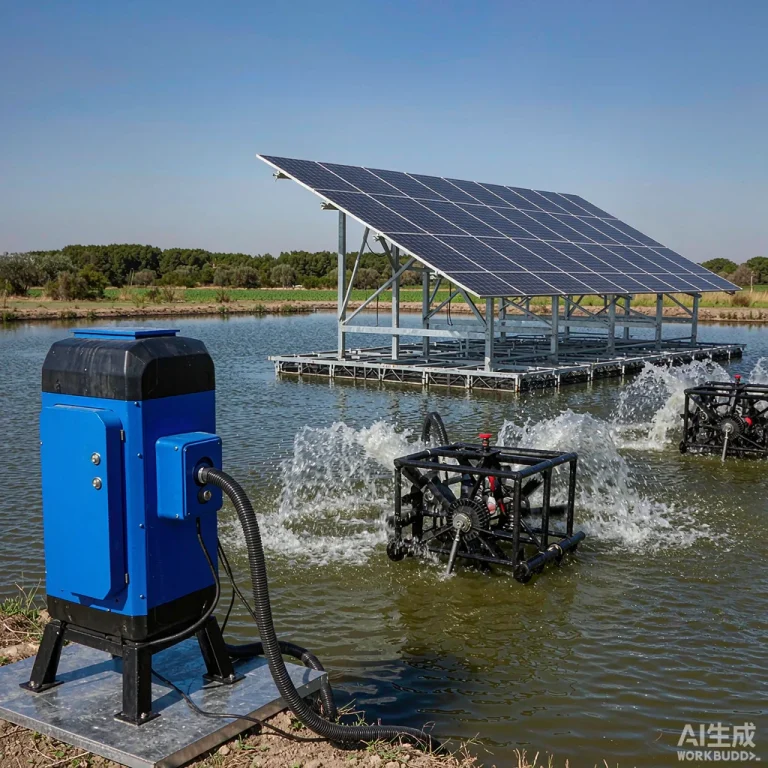
- Extreme-sun advantage—very high irradiance lets a smaller array deliver more; size for the hottest months with headroom.
- Heat- and dust-rated design—inverters and batteries rated for sustained desert heat, in shaded, sealed, filtered enclosures.
- Large battery for 24/7 loads—where process or camp water must run through the night, a bigger buffer bridges sun-free hours.
- Hybrid reserve—for continuous process loads, a hybrid controller uses a small generator only as backup.
Solar vs Diesel in Mauritania
| Factor | Diesel in Mauritania | Solar in Mauritania |
|---|---|---|
| Fuel logistics | Long desert hauls | Self-powered on site |
| Solar resource | N/A | Among world’s highest |
| Heat/dust tolerance | N/A | Rated enclosures |
| Best fit | None (no grid) | Ultra-remote / desert / plant |
For the economics, our solar-vs-diesel analysis shows remote Mauritanian sites typically pay back in 1–2 years given the exceptional solar resource.
Frequently Asked Questions
Is the desert heat too much for solar?
Not at all—the irradiance is exceptional; the only care is heat- and dust-rated electronics in shaded, filtered enclosures and a night-time battery buffer.
Can solar meet a large plant’s process load?
For continuous process duties, a hybrid solar-diesel system carries the bulk on sun and uses a small generator only as backup, cutting fuel 60–90%.
What about dust storms?
Sealed, filtered enclosures and periodic panel cleaning keep output high; the system is designed for sustained Saharan dust.
How do I start in Mauritania?
Define each duty (flow, head, water quality, hours), then we size the array, pump and buffer—our sizing methodology applies directly.
Related Articles
- Solar Pumps for Gold Mine Dewatering in Africa
- Hybrid Solar-Diesel Pump Systems for Gold Mines
- A Complete Solar System for Gold Mining in Africa
- Explore KINBO Solar Pump Products
Get a Mauritania Gold-Mine Solar Pump System
Tell KINBO your Mauritanian site’s duties—Tasiast-scale plant or Sahel exploration, grid or ultra-remote—and we will specify a heat- and dust-rated, off-grid (or hybrid) solar pump system sized to desert sun. Contact our team for a tailored quote.
Published by KINBO · September 28, 2026 · Category: Application Cases