Solar Pump Selection for Livestock Watering: Head and Flow Sizing for Herd Demand
Introduction
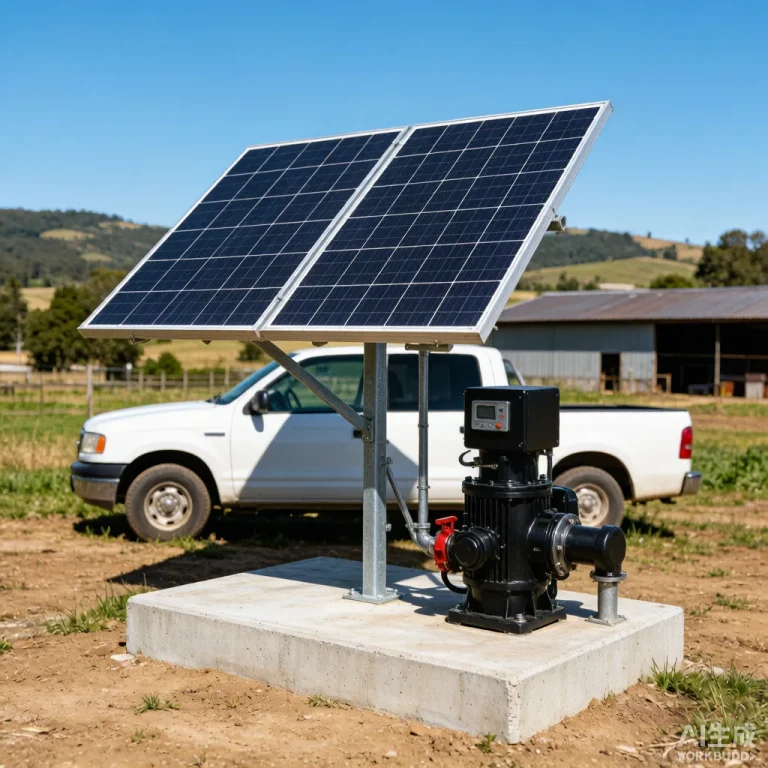
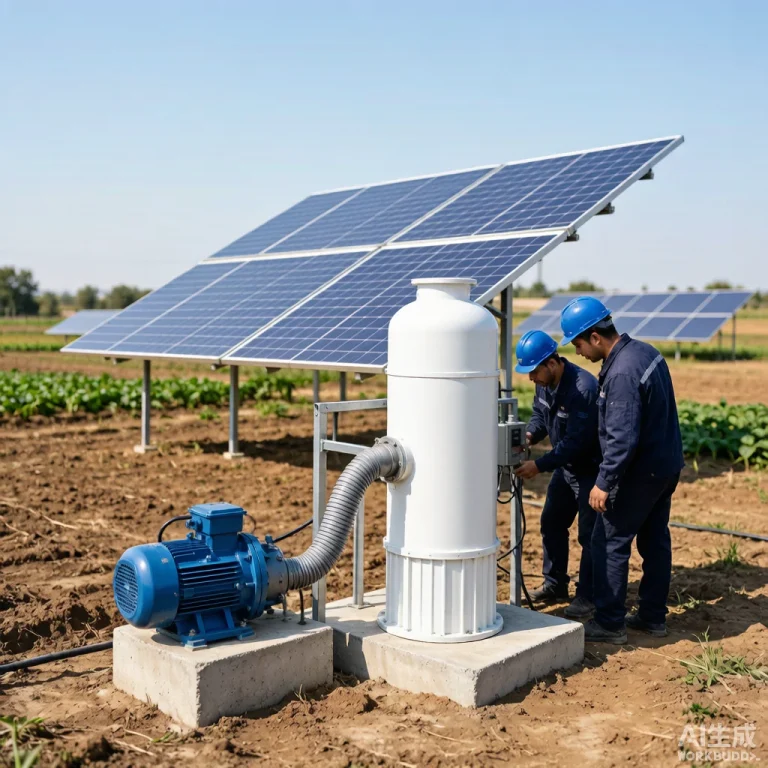
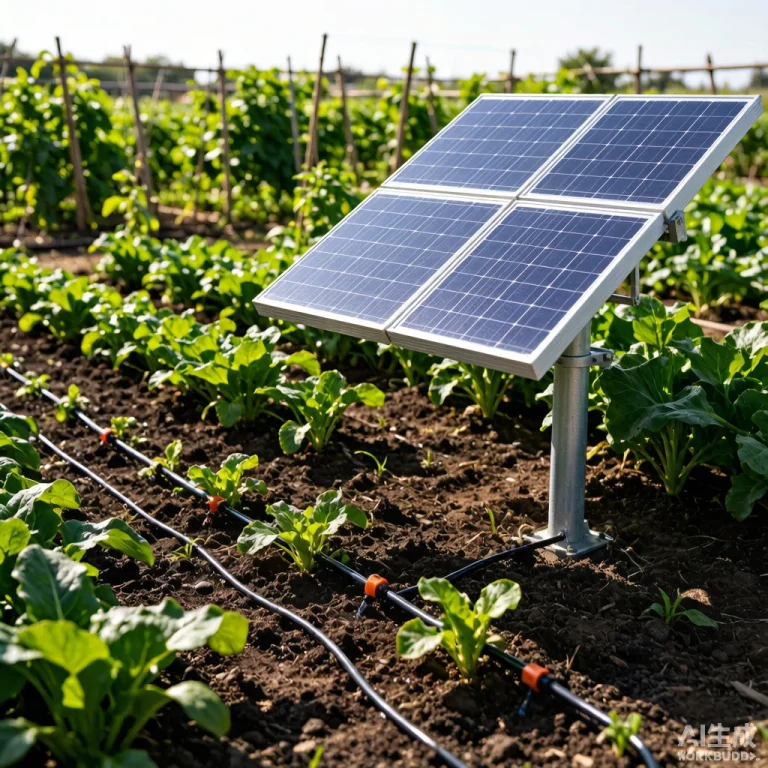
Livestock drink on a schedule, and when the trough is empty the animals stop gaining weight, milk drops, and a farmer loses money by the day. A reliable watering system is therefore not a convenience—it is the production line. Solar pumps are a natural fit for remote paddocks and ranches: no fuel, no grid, and they deliver water exactly where animals gather. This guide covers how to size a solar pump for livestock watering: estimating daily demand, choosing head and flow, and designing trough and pipeline so the herd never runs dry. Manufacturers such as KINBO build rugged solar pumping packages sized to herd demand, with dry-run protection that suits unattended paddock installations.
Table of Contents
Estimating Daily Water Demand
Start from the herd, not the pump. Daily drinking water varies by species, weight and heat, so size to the peak summer animal, not the annual average. Typical planning figures:
| Animal | Litres / head / day | Note |
|---|---|---|
| Dairy cow | 70–110 | Higher in heat |
| Beef cattle | 35–70 | Weight dependent |
| Sheep / goat | 4–10 | Small but many |
| Horse | 30–55 | Plus cleaning water |
Multiply by head count, add 10–20% for evaporation and spillage, and that is the daily volume the pump must deliver. For the pressure and head fundamentals behind the numbers, see our guide on calculating required head.
Sizing Head and Flow
Two numbers define the pump: the total head (source level to trough outlet, plus friction) and the flow rate (daily volume divided by effective pumping hours). Key points:
- Use effective sun hours, not daylight—typically 5–7 h at the well’s latitude and season.
- Split demand across the day with a storage tank so the pump runs steadily rather than fighting peak draw.
- Keep head realistic; a borehole 40 m deep with a trough 2 m above ground is ~42 m plus pipe losses.
- Add margin for hot spells when animals drink more and sun may be slightly weaker.
For a worked example, 50 beef cattle at 50 L/day need 2,500 L/day; at 6 effective sun hours that is about 420 L/h—a modest solar submersible or surface duty.
Trough and Pipeline Design
The pump is only half the system; the trough and pipe decide whether water actually reaches the animals:
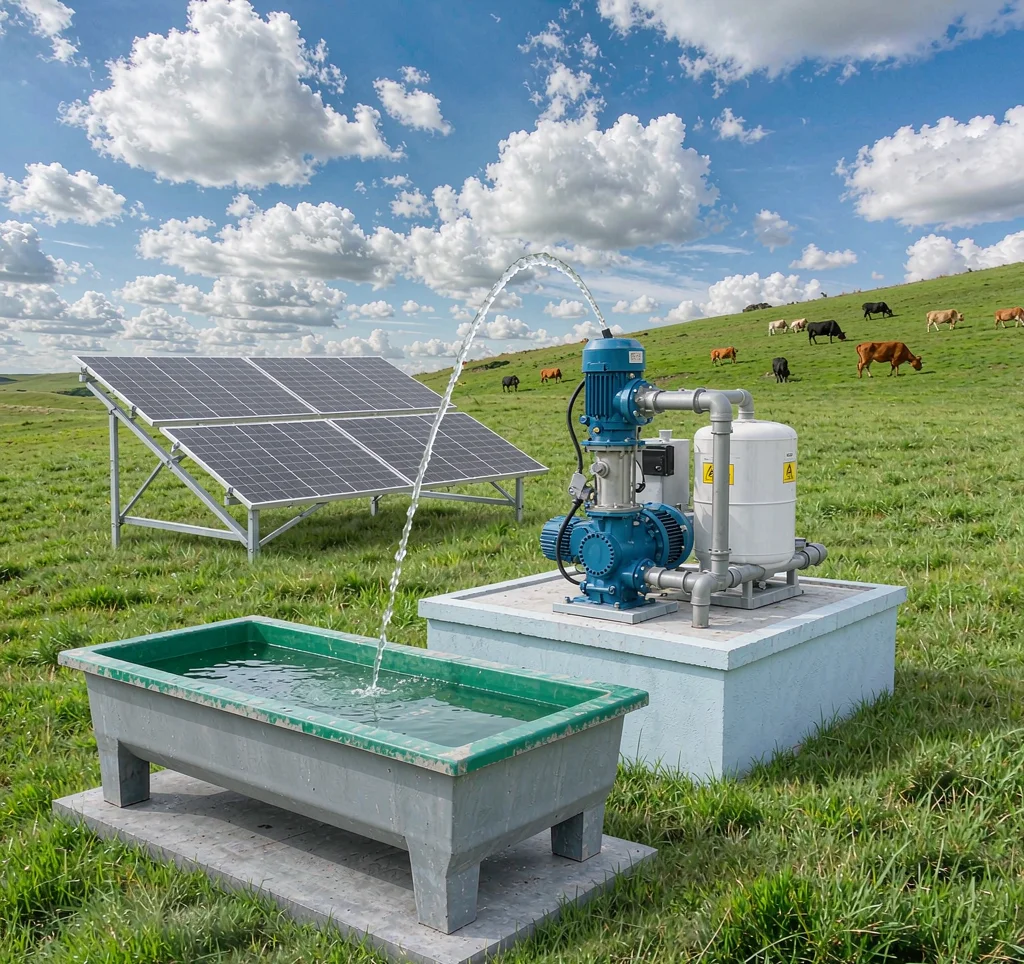
- Size the trough so it holds several hours of demand—animals should never empty it between pump cycles.
- Use float valves so the pump tops up automatically and stops when full.
- Insulate or shade troughs in heat to cut evaporation losses.
- Choose pipe diameter so friction loss stays low over the paddock run (see our pipe velocity guide).
- Fit a strainer on the intake and a low-level cutoff so the pump never runs dry.
KINBO packages pair the pump with a float-controlled supply and dry-run protection, so an unattended paddock stays watered without daily checks.
Multi-Paddock and Rotational Grazing
Rotational systems move animals between paddocks, which changes the watering point. Options:
| Approach | How | Best For |
|---|---|---|
| Central tank + pipes | One pump feeds a hub, lines to paddocks | Compact ranches |
| Portable solar pump | Move unit between water points | Large, spread grazing |
| Per-paddock troughs | Fixed points, rotate animals | Managed rotation |
Note: portable setups trade convenience for more handling; fixed systems cost more up front but run unattended.
Frequently Asked Questions
How do I size a pump for a mixed herd?
Sum each species’ peak per-head demand by count, add spillage and heat margin, then divide by effective sun hours for the flow rate.
Should the pump fill the trough directly or a tank?
A tank or large trough with a float valve almost always; it smooths demand and lets the pump run at its efficient point.
What if the borehole runs low in drought?
Dry-run protection stops the pump; consider a deeper source or a second shallow point, and reduce herd pressure on that paddock.
Is a submersible or surface pump better for livestock?
From a borehole use a submersible; from a dam, creek or shallow well a surface pump is simpler and easier to service.
For B2B buyers specifying solar pumping for livestock watering, contact KINBO for competitive FOB pricing and herd-sized system design.