Solar Pump Systems for Gold Mine Community and CSR Water Supply
Introduction
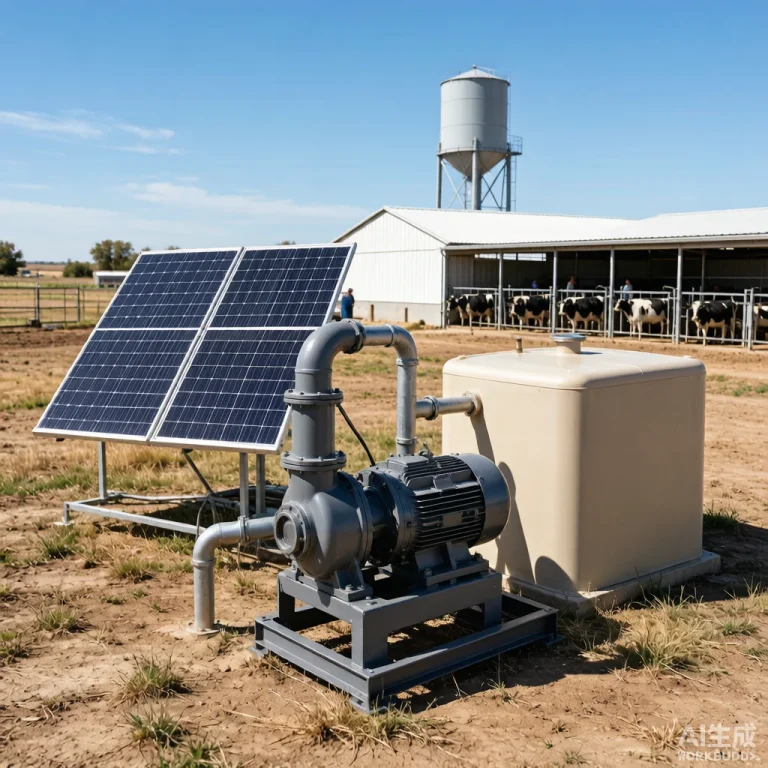
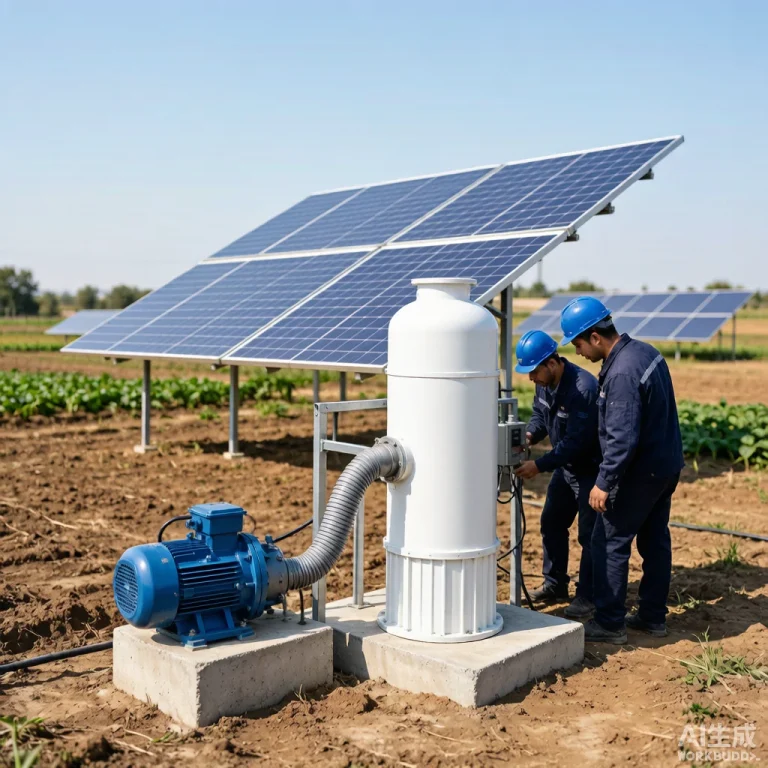
A gold mine rarely sits alone—it sits next to communities who often lack reliable water. Providing safe water to neighbouring villages is one of the strongest social-licence-to-operate investments a miner can make, and it is also one of the easiest to power cleanly. A solar pump draws from a shared bore or surface source and delivers potable or productive water to a community tap, school or garden, with no diesel and no recurring fuel bill. This article covers solar pump systems for gold-mine community and CSR water supply, from specialists at KINBO.
Table of Contents
The Community Water Duty
- Potable supply—a shared bore or treated source feeding community taps, schools and clinics (pairs with our camp supply guide).
- Productive use—water for community gardens, livestock or small irrigation that builds local livelihoods.
- Reliability expectation—communities notice every outage; the system must be simple, robust and well-supported.
- Shared source management—balance mine and community draws from one bore with a buffer tank; our camp and process guides cover the split.
Selecting the Community Pump
- Solar submersible or surface pump—from a bore (our deep-borehole guide) or a surface source; size for peak community demand with margin.
- Treatment—potable supply needs filtration/disinfection; our treatment guide covers the train, scaled down for a village.
- Low-maintenance by design—fewer moving parts and a simple controller mean local operators can keep it running.
- Control—a VFD-style solar controller soft-starts the pump and protects the column.
Solar Drive and Storage
- Array sizing—size to peak community demand with ~20% headroom; a daytime duty, so battery needs are modest unless night taps are required.
- Elevated tank—an elevated tank provides gravity pressure to the community and a buffer so taps flow even when the sun dips.
- Monitoring—a simple level or flow sensor (our remote-operations guide) lets the mine confirm the community is supplied without sending a team.
Solar vs Diesel Community Supply
| Factor | Diesel Community Supply | Solar Community Supply |
|---|---|---|
| Recurring cost | Perpetual fuel + trucking | Zero after install |
| Outage visibility | Fuel-out stops taps | Buffer keeps taps flowing |
| Local sentiment | Noise, fumes, cost | Clean, silent, free |
| Best fit | Grid-connected towns | Off-grid / remote communities |
A reliable community supply is a visible, lasting social licence investment—often more persuasive than a report. Our ESG guide shows how to report it.
Frequently Asked Questions
Can one bore supply mine and community?
Yes—size the source for combined demand and use a buffer tank to balance mine and community draws; our camp and process guides cover the splits.
How do we prove the community is supplied?
A level or flow sensor with remote alert confirms supply and flags a fault before it becomes a complaint—useful both operationally and for your social-performance reporting.
What about water quality?
Add the treatment the source needs—filtration and disinfection for potable use. Solar delivers the raw water; treatment makes it safe.
Is this different from camp supply?
Camp supply serves the mine’s own workers; community supply serves neighbours. They share the same solar philosophy but serve different stakeholders and reporting lines.
Related Articles
- Solar Water Supply for Gold Mining Camps
- Solar Pump Systems for Gold Mine Water Treatment
- Solar Pump Carbon Credits and ESG Financing for Gold Mines
- Explore KINBO Solar Pump Products
Get a Solar Community-Water Pump
Tell KINBO your community’s population, demand profile, water source and treatment needs, and we will specify a robust, low-maintenance solar pump with the right buffer and monitoring to deliver reliable water to your gold mine’s neighbouring communities off-grid. Contact our team for a tailored quote.
Published by KINBO · September 23, 2026 · Category: Application Cases