Solar Pump Technician Training and Capacity Building: Building Local Expertise for Off-Grid Water Systems
Introduction
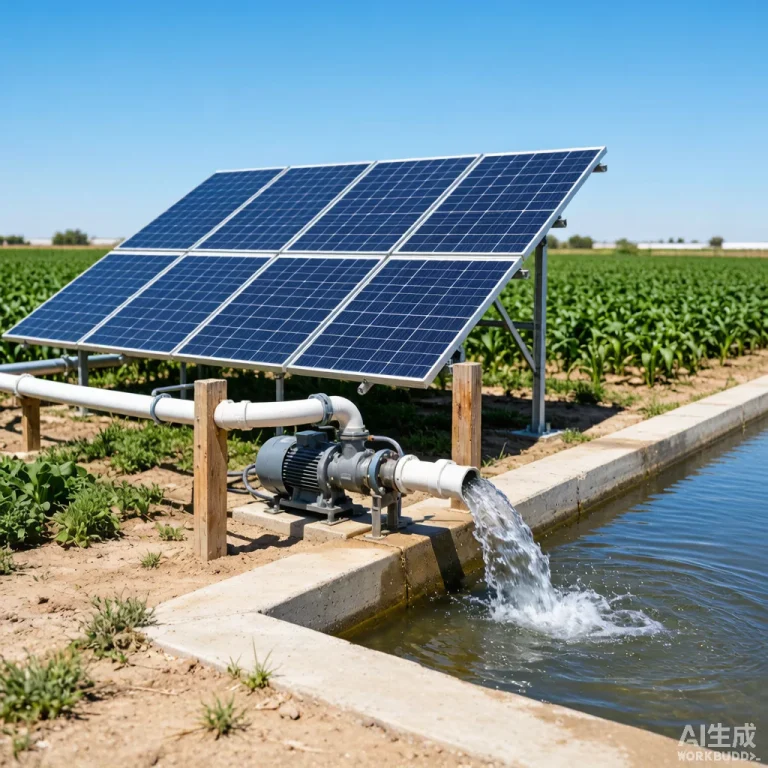
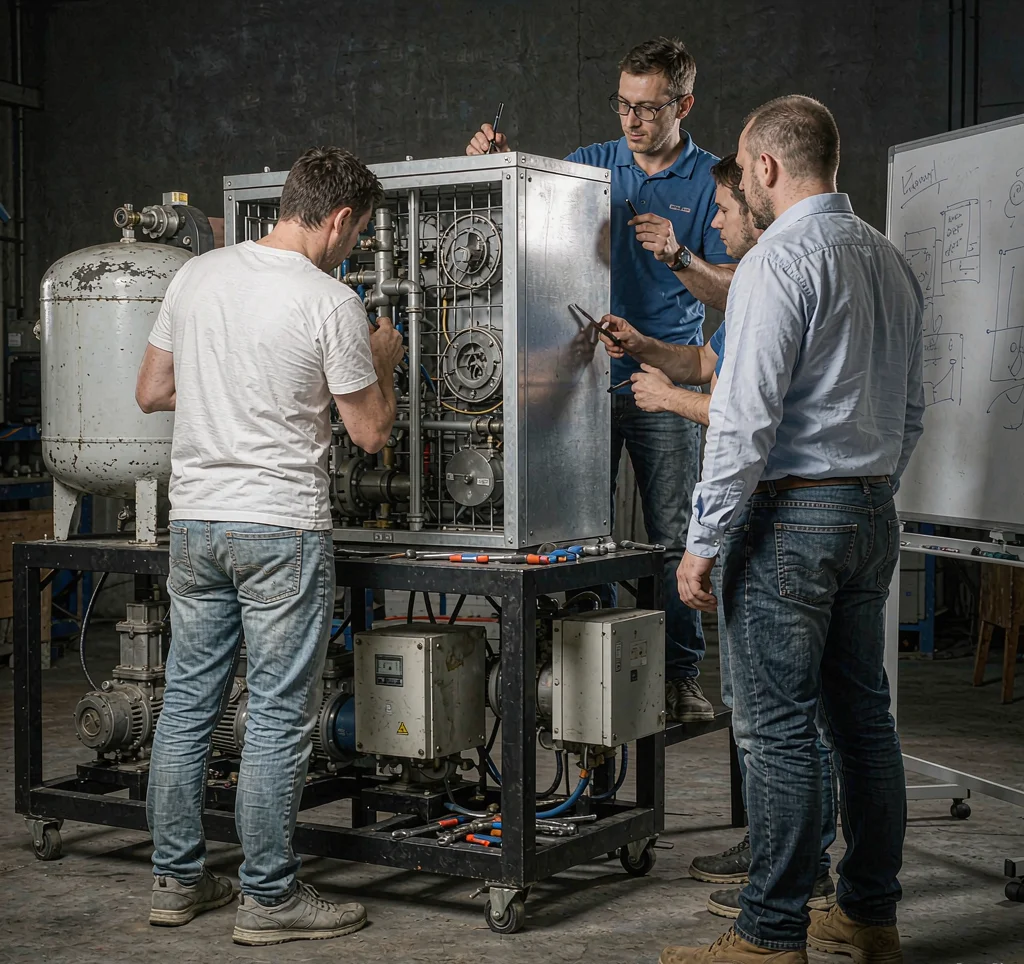
Solar water pumps are only as reliable as the people who install, commission and maintain them. In off-grid and rural markets—where a single pump can serve a village, a farm or a clinic—a poorly installed system fails fast, while a well-trained technician keeps water flowing for years. Technician training and capacity building turn a delivered product into a lasting water service. This article looks at why local expertise matters, what a competent solar pump technician must know, and how distributors, NGOs and governments can build that capability on the ground. Manufacturers such as KINBO support training programs with commissioning documentation and spare-parts kits so field teams can service systems without long supply delays.
Table of Contents
Why Local Technician Capacity Matters
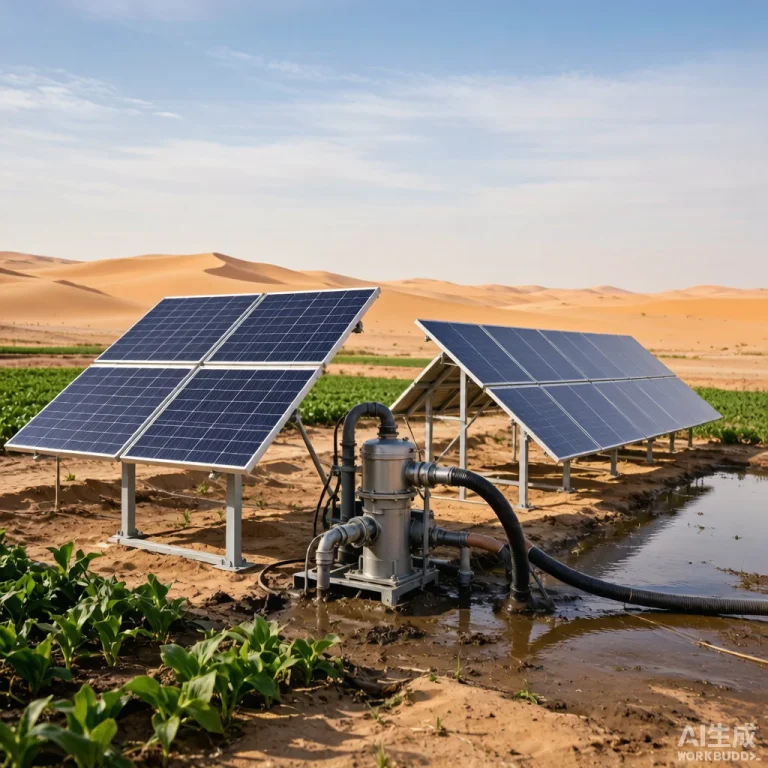
A solar pumping system is a small power plant: PV array, controller, motor and pump, plus plumbing and often a tank. Each part can fail, and failures in remote sites are expensive because the nearest expert may be hundreds of kilometers away. Building local capacity shortens response time, reduces downtime and lowers the lifetime cost of water. It also creates skilled jobs and makes donor-funded projects sustainable after the implementation team leaves. For distributors, a trained local partner network is the difference between one-time sales and recurring service revenue.
Core Competencies of a Solar Pump Technician
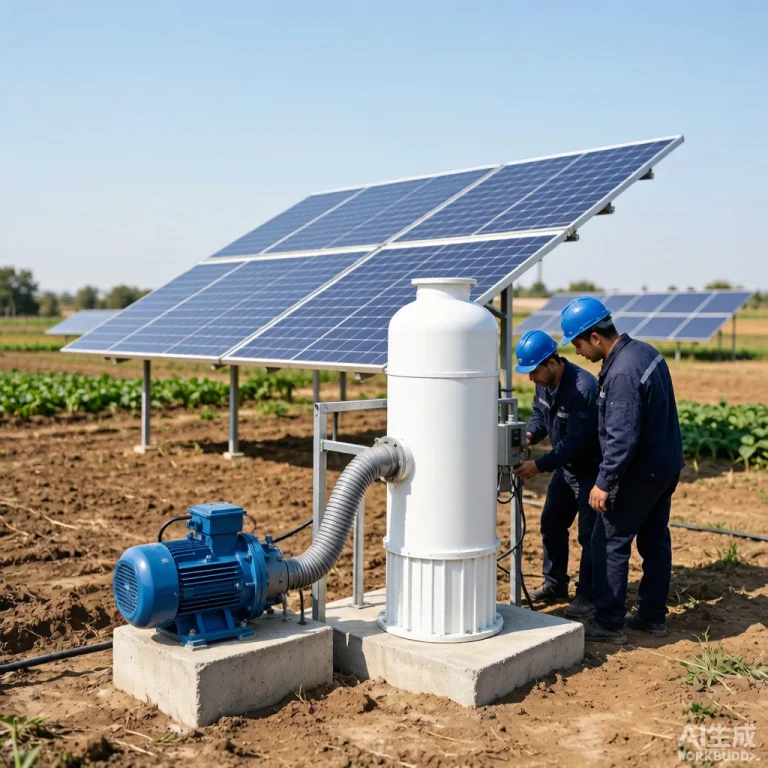
An effective technician needs a mix of electrical, hydraulic and field skills. The checklist below covers the minimum a service-ready technician should demonstrate:
- PV basics—reading I-V curves, string wiring, polarity, tilt and shading effects.
- Controller setup—MPPT parameter adjustment, float-switch and dry-run protection wiring.
- Submersible handling—safe lowering, cable clamping, riser-pipe jointing without leaks.
- Electrical safety—lockout, grounding, surge protection and correct torque on terminals.
- Hydraulics—head calculation, friction loss, flow verification against the pump curve.
- Diagnostics—using a multimeter and clamp meter to isolate controller vs. motor vs. cabling faults.
- Preventive maintenance—strainer cleaning, seal checks, torque re-tightening on schedules.
KINBO packages these steps into a commissioning checklist that travels with every system, so a new technician has a repeatable procedure rather than tribal knowledge.
Training Delivery Models Compared
There is no single right format; the best programs blend several. The table contrasts the common delivery models on cost, reach and hands-on depth.
| Model | Best For | Pros | Constraints |
|---|---|---|---|
| Instructor-led workshop | Cohorts of 8–20 technicians | Hands-on, high retention | Travel and venue cost |
| On-site OEM training | Distributor service teams | Product-specific, real units | Limited to partner regions |
| Online / video modules | Wide, ongoing refreshers | Low cost, scalable | Weak on physical skills |
| Apprenticeship / shadowing | New hires at installers | Real-field context | Slow to scale |
A blended path works best: online theory for reach, a short hands-on workshop for skills, then shadowing on real installs. For broader service guidance see our after-sales service program, which pairs remote support with field training.
Capacity Building for Communities and NGOs
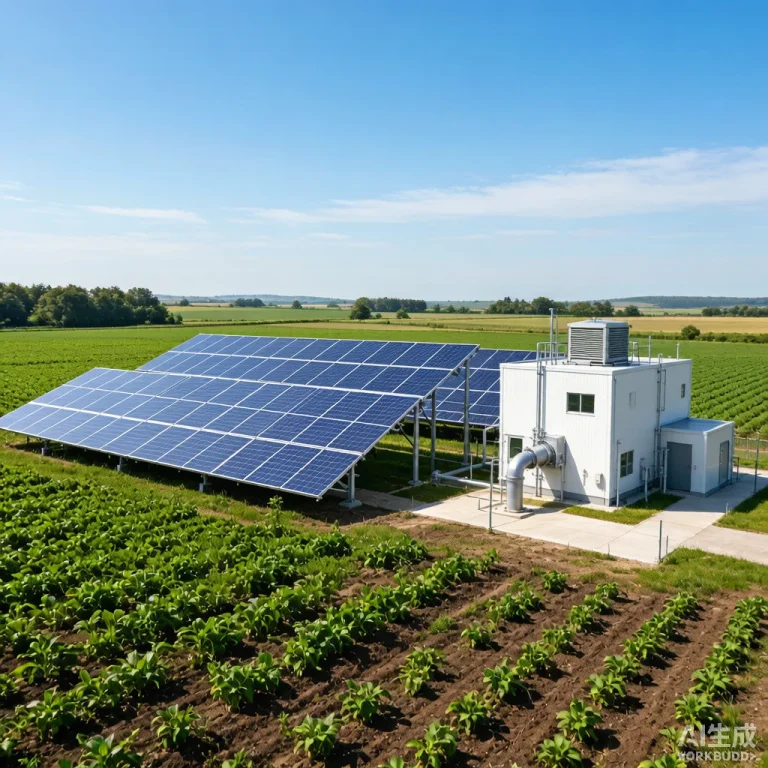
Sustainable water service needs more than one technician. Community capacity building adds local ownership: a water committee that manages tariffs, a nominated caretaker trained in basic faults, and a spare-parts stock at the district level. NGOs and government programs should budget for this layer from day one, not as an afterthought. The table below shows a simple staged plan used in rural programs.
| Stage | Activity | Outcome |
|---|---|---|
| Month 1–2 | Train 2–3 caretakers per district | First-line response ready |
| Month 3–6 | Establish district spare-parts kit | Faster repairs, less downtime |
| Month 6+ | Water-committee tariff training | Self-funding O&M loop |
Note: timelines are illustrative for a 5–10 site rural program; scale training cohorts to population and site count.
Frequently Asked Questions
How long does it take to train a solar pump technician?
A competent field technician typically needs 3–5 days of hands-on workshop plus a few supervised installs; mastery comes with the first 10–20 service calls.
Is online training enough on its own?
No. Online modules build theory efficiently but cannot teach cable handling, torque and diagnostics; pair them with at least one practical session.
Who should pay for capacity building?
Ideally a shared cost: distributors fund product training, NGOs/governments fund community caretaker programs, and end-users fund local spare parts through water tariffs.
What tools must a technician carry?
A multimeter, clamp meter, torque wrench, cable crimper, basic PV tester and the manufacturer’s commissioning checklist cover most field faults.
For B2B buyers building local service networks, contact KINBO for training materials, commissioning checklists and spare-parts kit design.